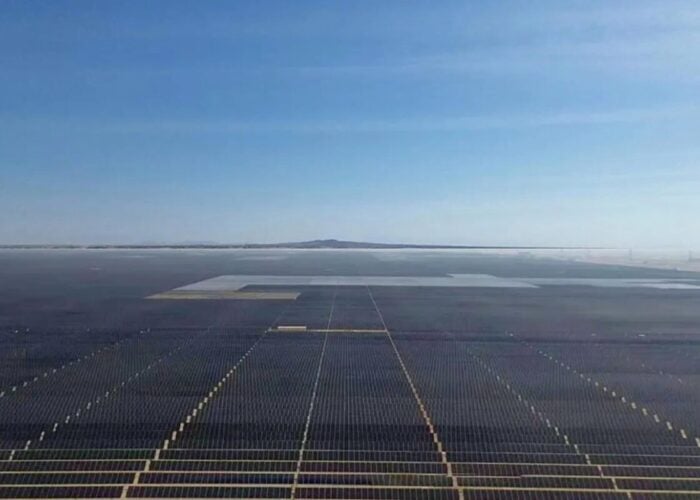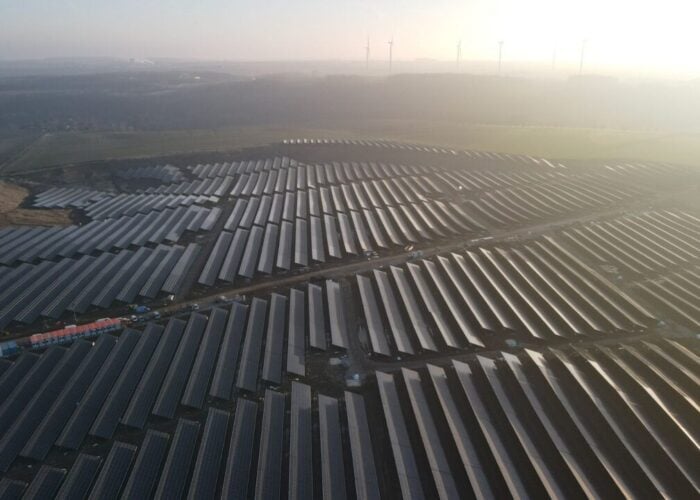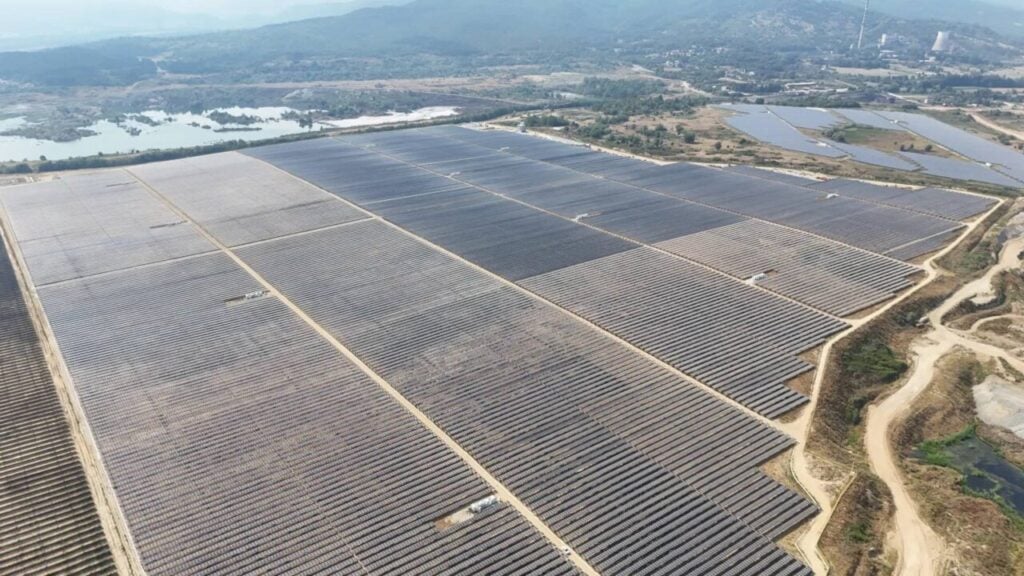
Turkish renewable energy company Fortis Energy has is seeking EPC providers for the Ersekë Solar Power Plant in Albania, which combines 75MW of solar PV capacity with a 25MWh battery energy storage system (BESS).
The project is located in the Kolonjë region of south-east Albania, and the company is now “inviting qualified suppliers and contractors” to make bids to provide engineering, procurement and construction (EPC) services at the project.
Try Premium for just $1
- Full premium access for the first month at only $1
- Converts to an annual rate after 30 days unless cancelled
- Cancel anytime during the trial period
Premium Benefits
- Expert industry analysis and interviews
- Digital access to PV Tech Power journal
- Exclusive event discounts
Or get the full Premium subscription right away
Or continue reading this article for free
Fortis has not yet provided a timeline of when it expects construction to begin, nor when it expects the project to enter commercial operation, but said that “our team is already on the ground”.
The Ersekë project is at the most advanced stage of development among the company’s nine projects in Albania, with the remaining nine projects at what Fortis describes as the “early stage” of development.
Upon completion, the company’s Albanian solar PV portfolio will include 462MW of capacity, and is one of several countries—including Kosovo, North Macedonia and Fortis’ home country—where solar PV projects account for the entirety of the company’s development pipeline.
The facility is also the company’s only solar-plus-storage project in development outside of Italy and Serbia, the countries where Fortis has the largest development pipeline by project capacity, and across solar and wind technologies. The advancement of the Ersekë project follows Fortis’ receipt of approval for a similar hybrid facility in Serbia in October, as the company looks to invest more in co-located solar-plus-storage projects.
Such hybrid projects have often been touted as an effective means to limit curtailment in markets where grid capacity is not often thought to be available, potentially de-risking investments. This is particularly pressing in Europe, where the continent’s grid infrastructure has long been a bottleneck for new power generation development; earlier this month, the European Commission proposed a new grids package to improve connection infrastructure across the continent.