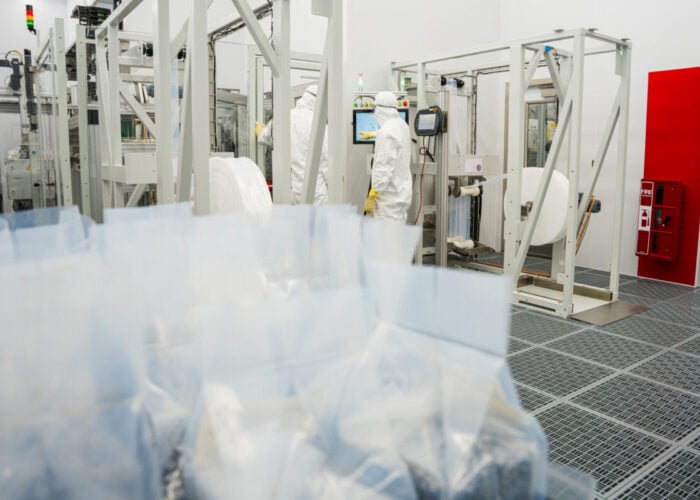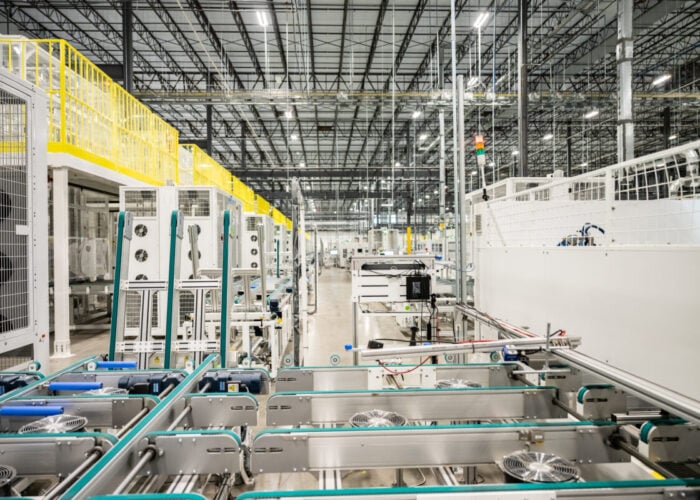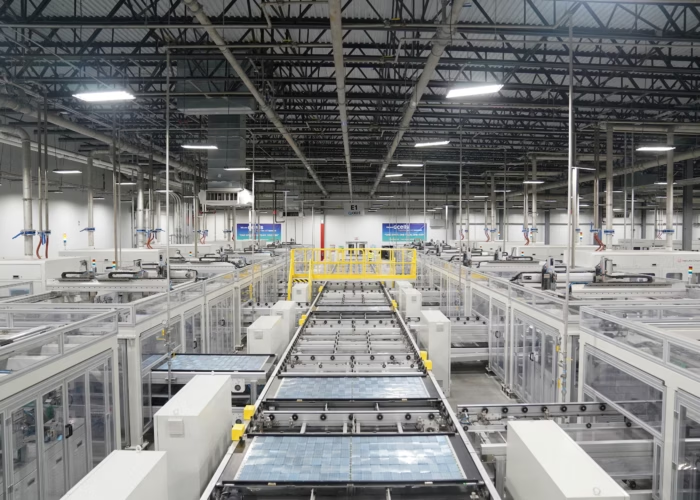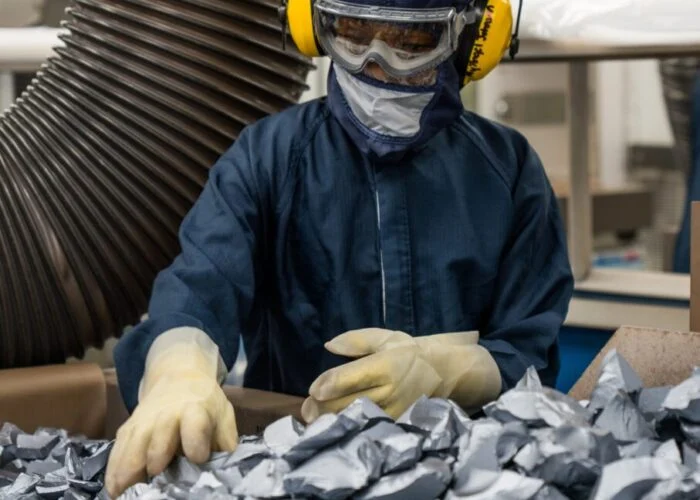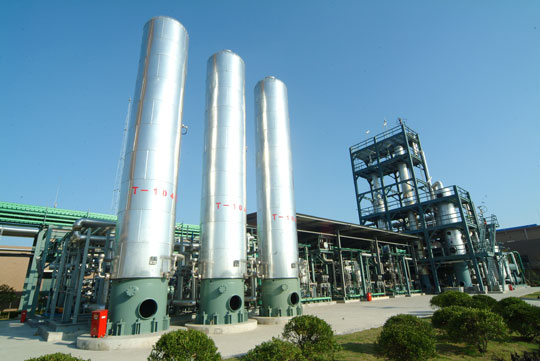
The world’s largest polysilicon producer, GCL-Poly Energy has cited technical issues with its planned ramp of FBR (Fluidized Bed Reactor) technology, according to reports.
Having spent several years in R&D, GCL-Poly officially announced in May, 2014 that it would add 25,000MT of granular silicon capacity, yet little has since be cited about the project by the company.
Try Premium for just $1
- Full premium access for the first month at only $1
- Converts to an annual rate after 30 days unless cancelled
- Cancel anytime during the trial period
Premium Benefits
- Expert industry analysis and interviews
- Digital access to PV Tech Power journal
- Exclusive event discounts
Or get the full Premium subscription right away
Or continue reading this article for free
Citing a GCL-Poly spokesperson, South China Morning Post noted that “technical difficulties” and cost reduction issues were behind the company being prevented from ramping the technology, despite progress in its development.
The article noted that GCL-Poly had invested HK$955 million (US$123 million) in FBR technology to date but with cost reductions in conventional Siemens process production edging to the sub-US$10/kg cash cost level, FBR technology, touted as a significantly lower cost route, though with lower purity levels faced economic issues.
FBR technology commercialisation was pioneered by REC Silicon in the US and is building a next-generation plant in China (FBR-B), while SunEdison has also built an FBR plant in South Korea but it has been plagued with delays.
Johannes Bernreuter, head of Bernreuter Research had long warned that FBR technology should not be over-hyped and that the technical issues should not be be underestimated.