Hanwha Q CELLS gains low carbon footprint eligibility to participate in French solar tenders

May 24, 2017
Facebook
Twitter
LinkedIn
Reddit
Email
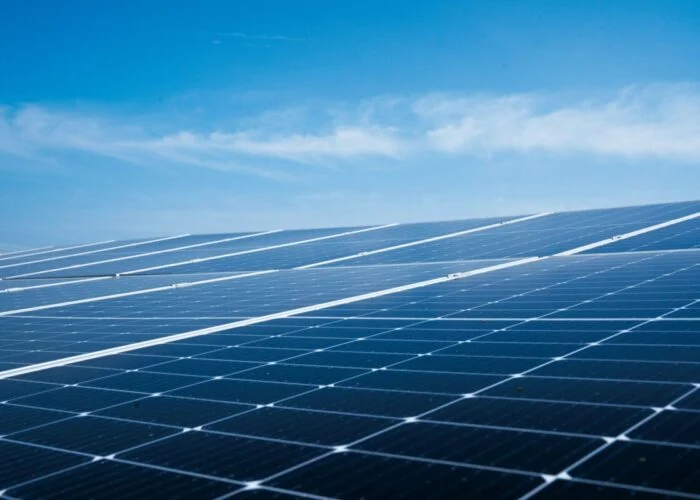
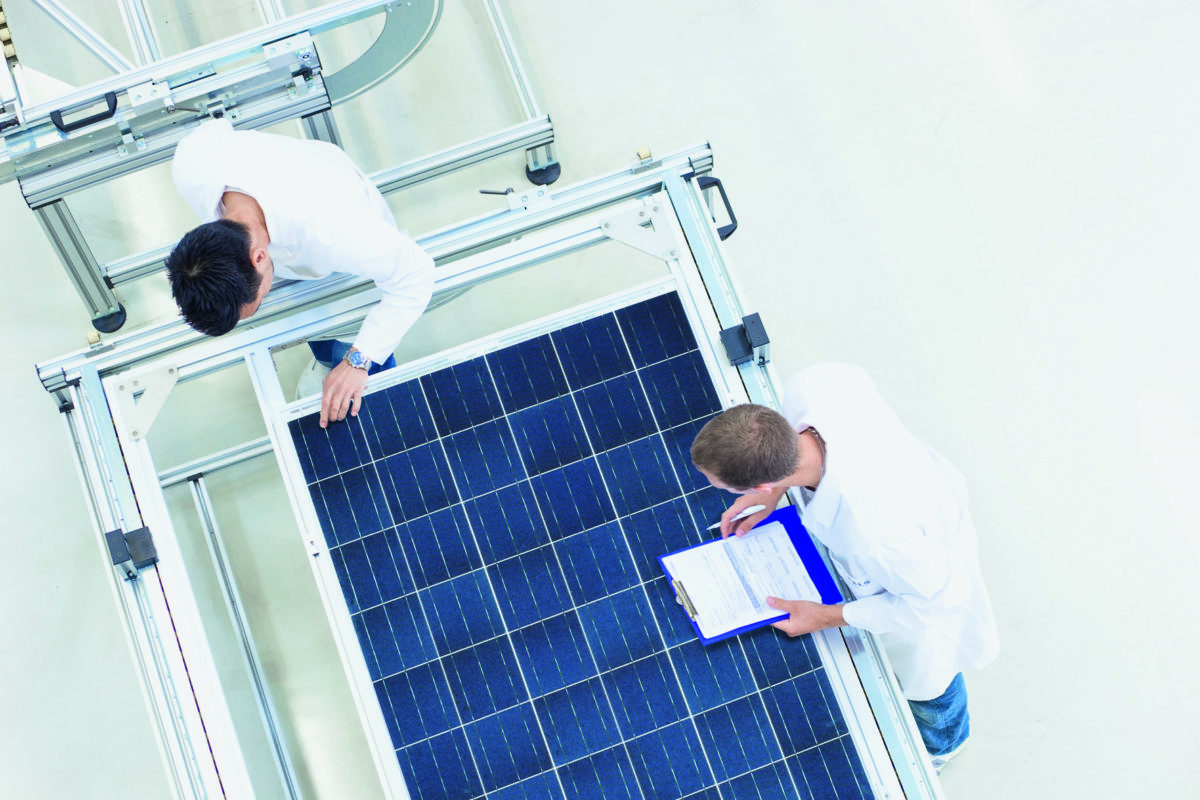
Hanwha Q CELLS said it had become eligible to participate in solar tenders in France after Certisolis had certified its PV modules had met low carbon footprint metrics and fulfilled all criteria for CRE3 and CRE4 tenders in the country. Image: Hanwha Q CELLS

‘Silicon Module Super League’ (SMSL) member Hanwha Q CELLS said it had become eligible to participate in solar tenders in France after Certisolis had certified its PV modules had met low carbon footprint metrics and fulfilled all criteria for CRE3 and CRE4 tenders in the country. 

To receive the certificate, Hanwha Q CELLS modules were tested along the entire life-cycle, according to the criteria established by the French Energy Regulation Commission (CRE).

This article requires Premium SubscriptionBasic (FREE) Subscription

Try Premium for just $1

  • Full premium access for the first month at only $1
  • Converts to an annual rate after 30 days unless cancelled
  • Cancel anytime during the trial period

Premium Benefits

  • Expert industry analysis and interviews
  • Digital access to PV Tech Power journal
  • Exclusive event discounts

Or get the full Premium subscription right away

Or continue reading this article for free

Maengyoon Kim, Head of EU Sales commented: “The Certisolis certificate makes Q CELLS a favorable choice for project developers and EPC´s in France. For tenders, they can now benefit from excellent performance and quality ‘Engineered in Germany', strong bankability and a very low carbon footprint.”

Hanwha Q CELLS follows US-headquartered SunPower and Norway-headquartered REC Group and Trina Solar in gaining the low carbon footprint certification. 

Hanwha Q CELLS has cell and module manufacturing operations in Korea, Malaysia and China, while SunPower produces solar cells in the Philippines and Malaysia and module assembly operations in Mexico and France. REC Group has sister companies producing polysilicon and ingot/wafers in Norway and its integrated wafer to module operations are located in Singapore. 

Hanwha Q CELLS and REC Group have recently introduced new high-efficiency modules to the European market. 
Read Next

Premium
February 13, 2026
PV Talk: Charith Konda, energy specialist at IEEFA, says India’s 2026-27 budget aims to “establish a stronger supply chain within the solar and PV cell and module sector,” but warns that “execution is as important as the policy itself.”
February 13, 2026
The US Treasury’s interim Foreign Entity of Concern (FEOC) guidance is “in line with expectations” according to a US renewable energy supply analyst.
February 11, 2026
A round-up of a number of European project stories from this week, including METLEN, European Energy and TSE.
February 10, 2026
Boviet Solar has affirmed its commitment to US solar PV manufacturing despite plans by its parent company to divest its ownership.
February 9, 2026
The US federal government has withdrawn its appeal against a US Court of International Trade (CIT) ruling to retroactively collect two years of tariffs on imported solar panels.
February 9, 2026
Solar manufacturer United Solar has launched a polysilicon manufacturing facility in Oman, adding 100,000 metric tons of annual production capacity.

Upcoming Events

Upcoming Webinars
February 18, 2026
9am PST / 5pm GMT
Solar Media Events
March 24, 2026
Dallas, Texas
Solar Media Events
April 15, 2026
Milan, Italy
Solar Media Events
June 16, 2026
Napa, USA
Solar Media Events
October 13, 2026
San Francisco Bay Area, USA