New York-listed investor HA Sustainable Infrastructure Capital (HASI) and residential solar and storage developer Sunrun have formed a new joint venture to finance 300MW of renewable energy capacity.
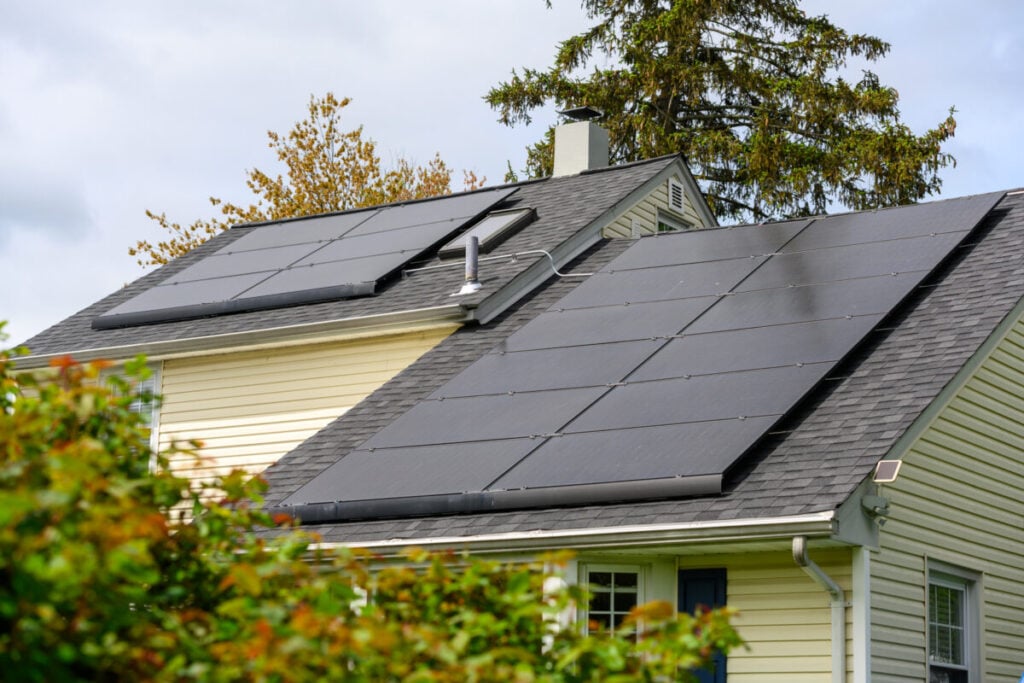
The companies did not specify how much of this capacity would consist of solar PV projects versus battery energy storage systems (BESS), but noted that the joint venture would aim to deliver residential energy systems to more than 40,000 homes in the US.
Try Premium for just $1
- Full premium access for the first month at only $1
- Converts to an annual rate after 30 days unless cancelled
- Cancel anytime during the trial period
Premium Benefits
- Expert industry analysis and interviews
- Digital access to PV Tech Power journal
- Exclusive event discounts
Or get the full Premium subscription right away
Or continue reading this article for free
The deal was closed in December 2025, and reported yesterday, and will see HASI invest up to US$500 million over the next 18 months, while Sunrun will “retain a significant long-term ownership position and greater flexibility in structuring senior project debt,” according to the companies.
“This innovative financing structure with HASI is a first-of-a-kind for residential storage and solar financing,” said Sunrun CFO Danny Abajian. “This partnership provides for an efficient capital structure, which we anticipate will allow aggregate proceeds that are equal to or better than Sunrun’s traditional financing arrangements.”
The companies have worked together since 2018, and the investment builds on HASI’s work in the solar-plus-storage sector. HASI has invested more than US$750 million into the industry, most recently a 605MW solar-plus-storage portfolio owned by US utility AES Corporation.
Sunrun has also expanded its work in the co-located solar and storage space, having significantly increased the storage attachment rate—the percentage of residential solar projects to be co-located with BESS—in recent years. Between the first quarter of 2023 and the third quarter of 2025, the last quarter for which there is data, storage attachment rate increased from 14.9% to 70%, which coincided with quarter-on-quarter revenue growth in the first three quarters of 2025.