Silicon prices have marginally increased in the last week, according to the latest figures from the Silicon Industry Branch of China Nonferrous Metal Industry Association published on 15 February.
Indian PV manufacturer Emmvee has partnered with Fraunhofer ISO – a leading solar research centre – to build a 1.5GW solar cell manufacturing facility near Bangalore, southern India.
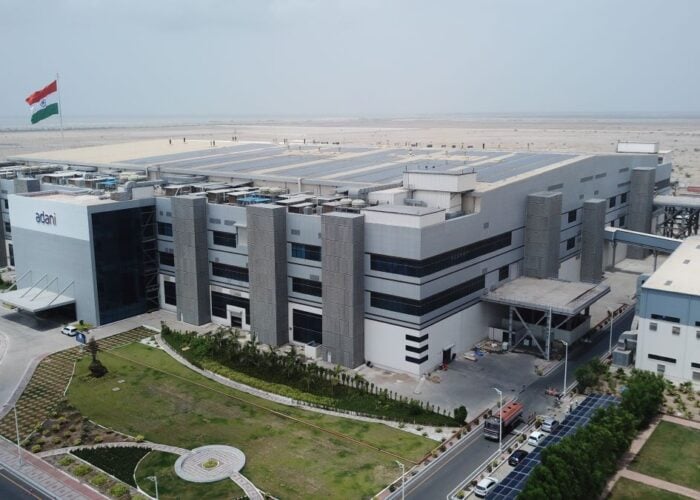
The renewable energy arm of power generation group Enel has signed a financing agreement with banking group UniCredit to finance the expansion of a solar panel factory in Catania, Sicily.
US PV incentives should be entirely focused on solar cell manufacturing in the short term, with maximum incentive rates given to domestic solar cell production that ultimately has a risk-free supply chain of materials and equipment, writes Finlay Colville, head of research at PV Tech.
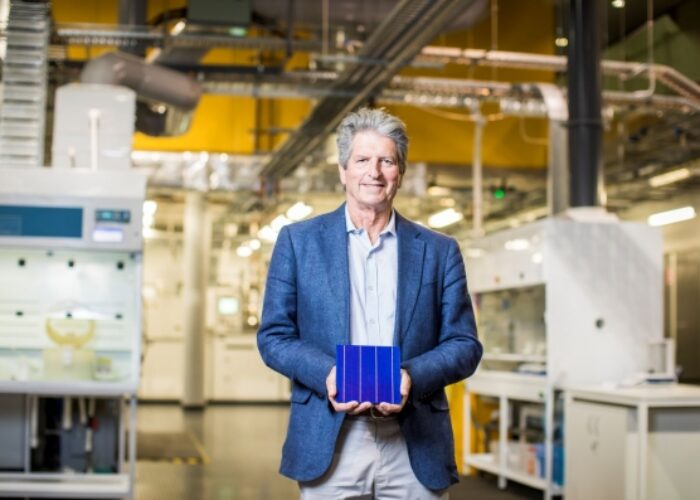
The inventors of PERC solar PV technology were awarded the 2023 Queen Elizabeth Prize for Engineering this week, in recognition of the transformative role that the technology has played in raising the efficiency and lowering the cost of solar PV and making it a cornerstone of the renewable energy transition across the globe.
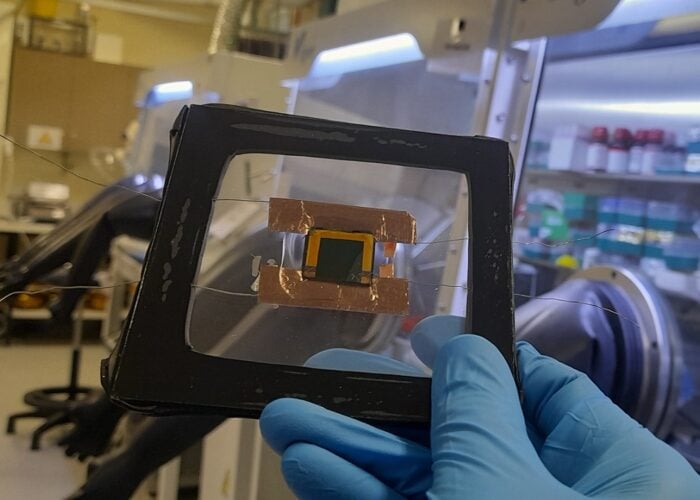
Researchers from the Australian National University (ANU) have reportedly achieved a 30.3% efficiency rate for a test-size perovskite-silicon tandem solar cell.
The recent swathe of announcements from US policymakers – coupled with growing geopolitical unrest regarding Chinese manufacturing dominance and the role of solar PV from an energy security standpoint – has the potential to redefine PV technology, manufacturing and component supply chains in a way that the industry has never seen before, writes Finlay Colville, head of research at PV Tech.
With silicon material and wafer prices on the rise, the impact is being felt further downstream amid warnings module prices could continue increasing this month.