Leading fully-integrated high-efficiency monocrystalline module manufacturer LONGi Green Energy Technology recently reported record total shipments and revenue for 2016, making it the fastest growing PV manufacturer in the industry.
Monocrystalline wafer producer Comtec Solar Systems Group has more than doubled expected losses for 2016, due to further write-downs on its Malaysia manufacturing facility with the pending sale of the facility to leading mono wafer supplier, LONGi Green Energy Technology.
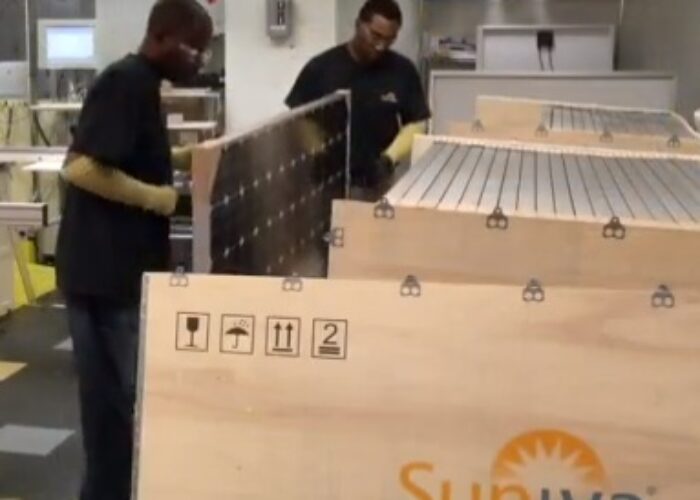
Updated: US-based high-efficiency module manufacturer Suniva, majority owned by Chinese diversified renewables firm Shunfeng International Clean Energy (SFCE) is to carry out a number of unspecified job cuts across its operations, according to a company statement.
Major flat panel display manufacturer AU Optronics Corp reported a significant reduction in its solar business unit’s losses in 2016, after receiving a US$170.1 million cash payout from SunPower to exit its joint venture (JV) manufacturing operations in Malaysia, last September.
Since Wacker Chemie opened its new 20,000MT polysilicon plant in Charleston, Tennessee in 2016, there was a good chance that the German-headquartered chemicals firm could overtake incumbent market leader, GCL-Poly.
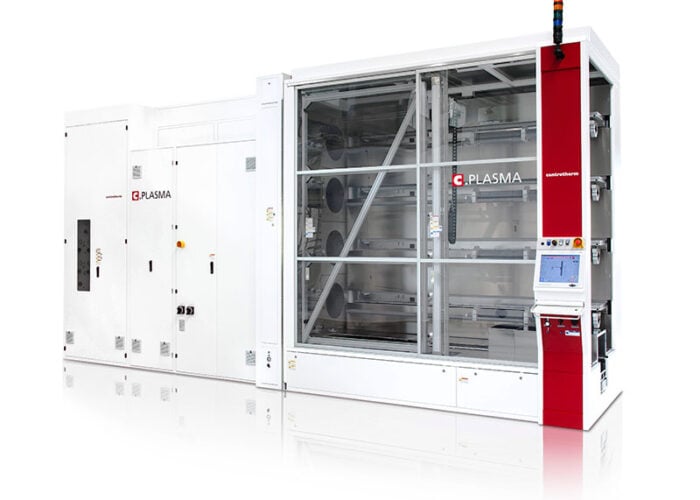
PV and polysilicon manufacturing equipment specialist centrotherm photovoltaics reported 2016 revenue at the higher end of previously withdrawn guidance that was pulled on fears of PV manufacturers withdrawing capital expenditure plans when PV demand drastically weakened in China in the second-half of the year.
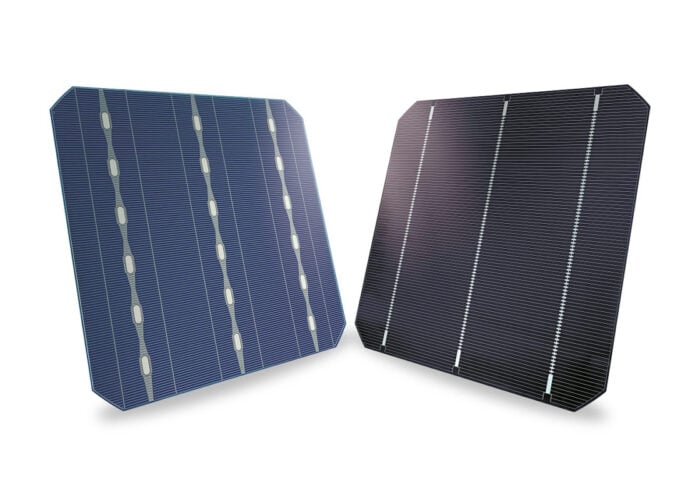
Dedicated monocrystalline integrated PV module manufacturer SolarWorld believes 2017 is a transitional year for the company after announcing a switch to monocrystalline production at the expense of multicrystalline and a full-migration to PERC (Passivated Emitter Rear Cell) technology as ASP declines in the second-half of 2016 forced a major manufacturing rethink.
JinkoSolar has introduced the Eagle MX solar panel, its next generation smart module for the high-volume mainstream PV panel market that incorporates a new innovative cell-string optimizer technology.
Diversified renewable energy firm Shunfeng International Clean Energy (SFCE) had previously warned that it expected to report a loss in 2016 of around US$133 million (RMB 923 million) due to a catalogue of issues but revised analysis by the company put the figure significantly higher at around US$348 million.