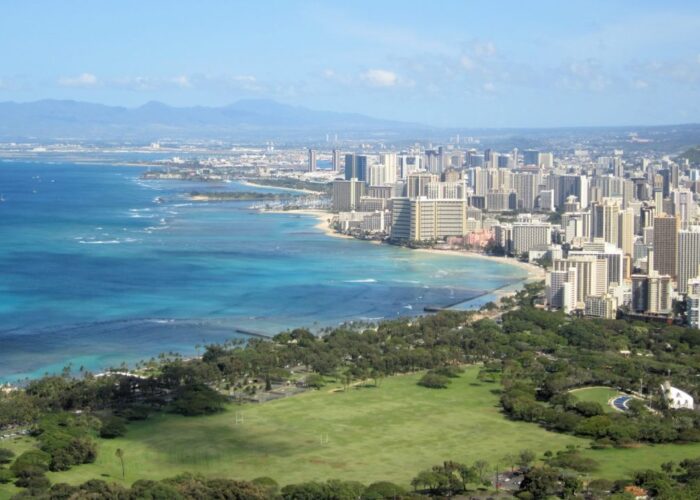
EnSync Energy Systems, formerly known as ZBB Energy, announced on Monday the sale of multiple PPAs, including the first solar-plus-storage projects sold in Hawaii.
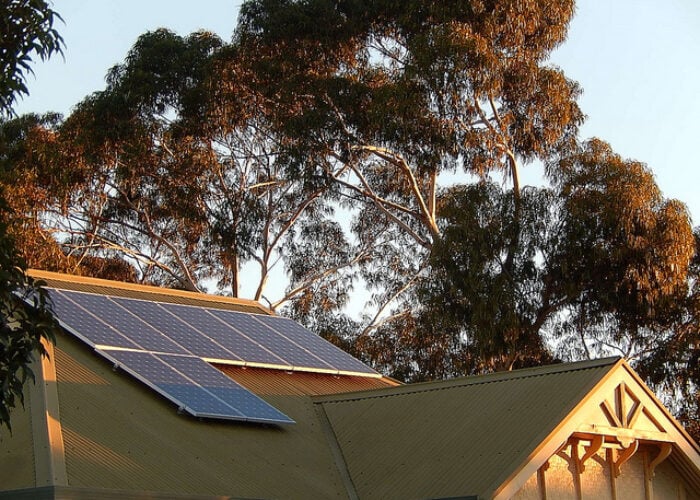
The Australian Energy Regulator has released a draft decision protecting solar users in South Australia from increased charges proposed by utility SA Power Networks (SAPN).
European Bank for Reconstruction and Development agrees to major funding of FRV's winning bid in Jordan's recent Round 2 PPA tender for solar energy production.
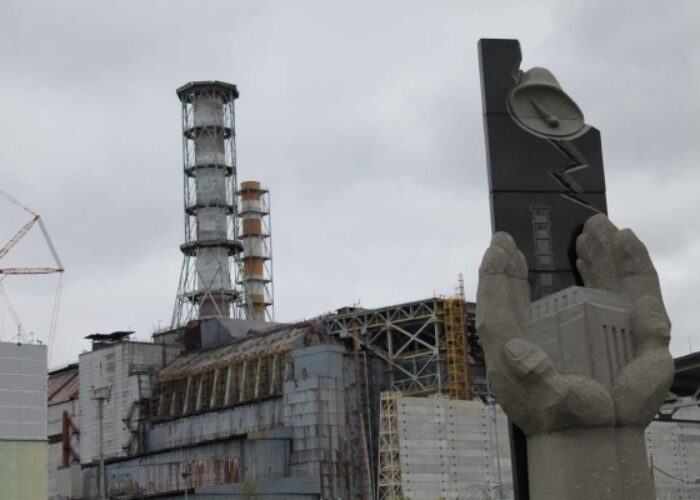
Ukraine's plan to bring online 4GW of solar production at site of 1986 nuclear disaster must stack up, says European Bank for Reconstruction and Development.
Australia’s newly appointed energy minister Josh Frydenburg has said the extreme fluctuations in South Australia’s electricity tariffs should be blamed on a number of factors not just renewables, in a filmed interview with Australian news outlet ABC.
The Solar Energy Industries Association (SEIA) has dismissed Fitch warnings that proposed net metering could damage the creditworthiness of utilities as “old news and bad analysis”.