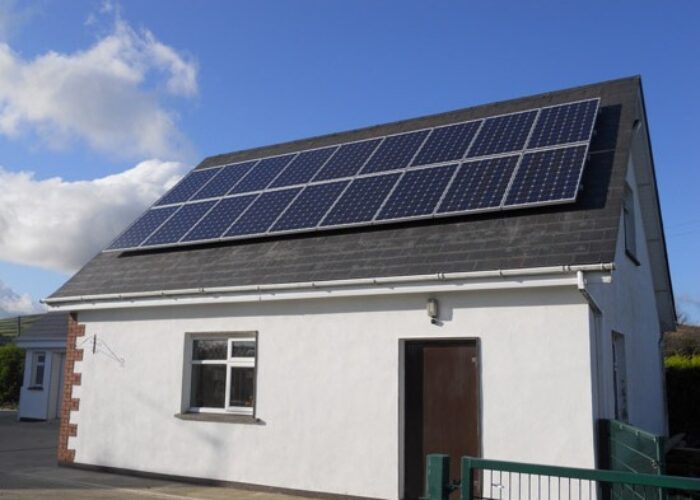
Homeowners in Ireland can now access grants worth hundreds of euros to fund the installation of solar and energy storage systems as the government launches its first micro-generation scheme for the technology.
The Indian Finance Ministry’s order imposing a safeguard duty for two years on solar imports from developed countries as well as China and Malaysia has brought long-awaited clarity to both manufacturers and developers, but both segments of the industry have a number of fears.
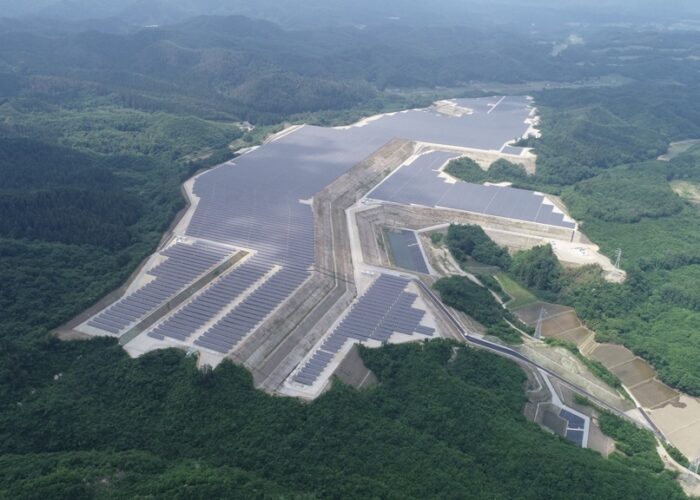
Partly to serve a major new industrial park, Japanese utility and grid operator Tohoku Electric Power will buy the power generation from a newly completed 28MW solar farm in Miyagi Prefecture, Japan, Kyocera Corporation has announced.
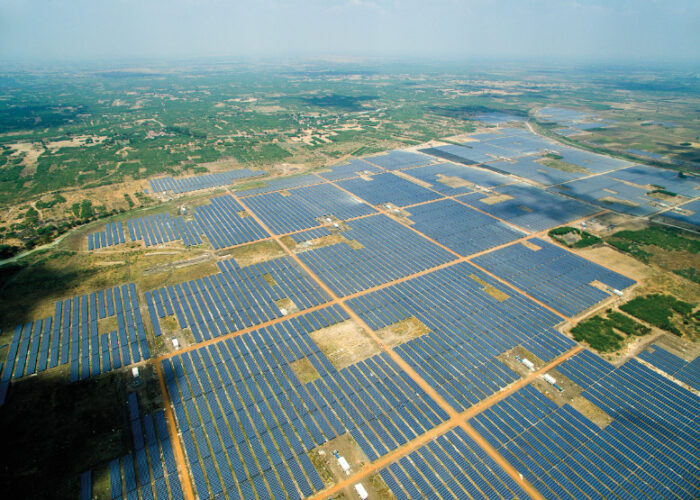
Hyderabad-headquartered firm Greenko Energies has received state government approval for a huge renewable energy project involving 1GW of solar, 550MW of wind and 1.2GW of pumped energy storage in the Indian state of Andhra Pradesh.
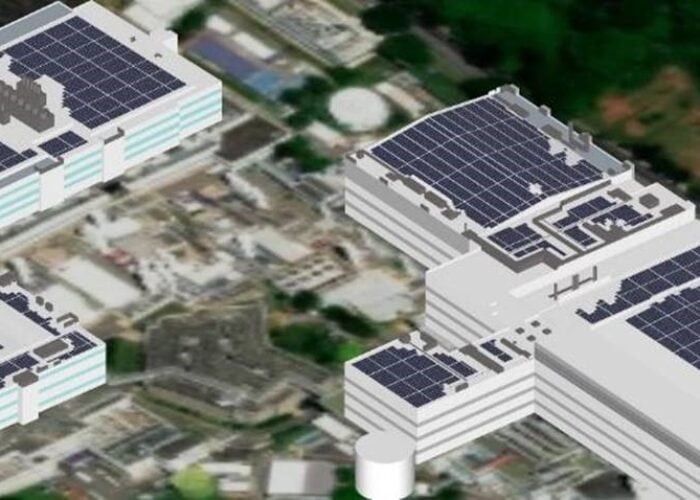
Cleantech to build 4.5MW rooftop solar project for Singaporean semiconductor manufacturer, Voltalia opens Cairo office, AfDB providing €18 million funding for Burkina Faso energy sector reform
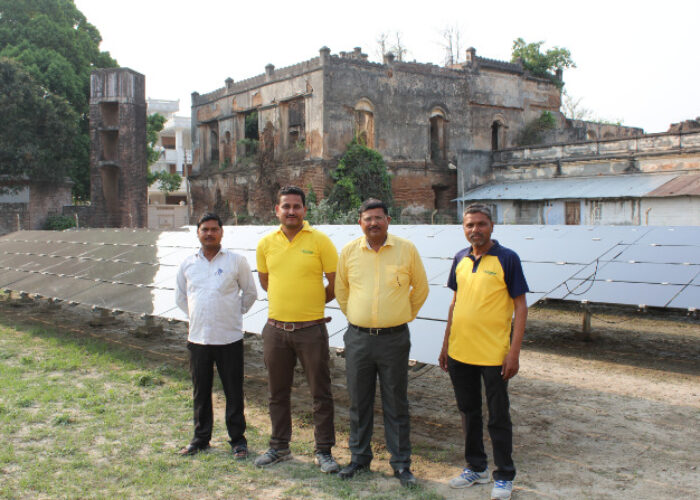
PV Tech visits a mini-grid at a village in the heart of the North Indian plains to see how a bold mix of biomass, solar and energy storage technologies is transforming local businesses.
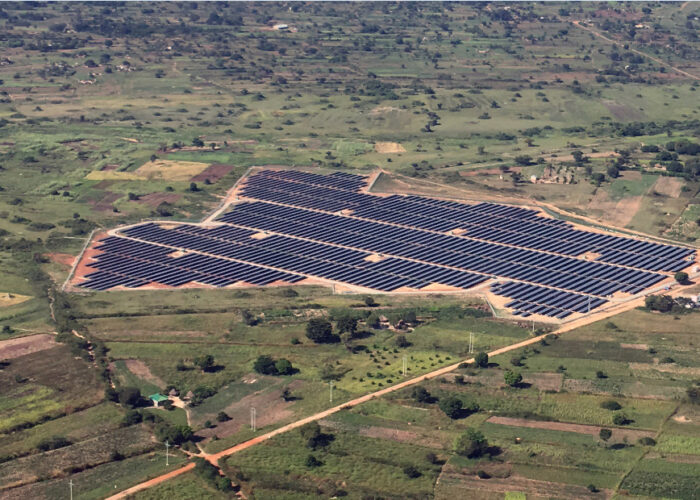
A number of international initiatives have helped large-scale solar gain a foothold in Africa. The question now is how the market for this segment will develop beyond these programmes and how much capacity grids will be able to support.
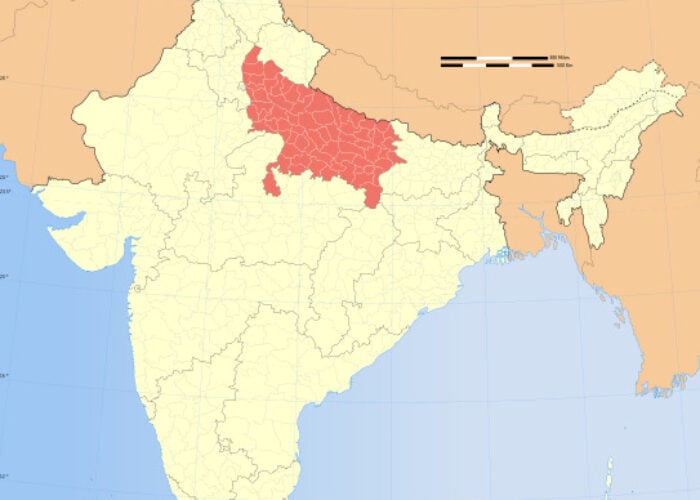
Tariffs in a 1GW solar auction in the Indian state of Uttar Pradesh have hit INR3.48-3.55/kWh (US$0.051-0.052), which is significantly higher than bids in other recent Indian auctions for a range of reasons, including a history of PPA renegotiations.
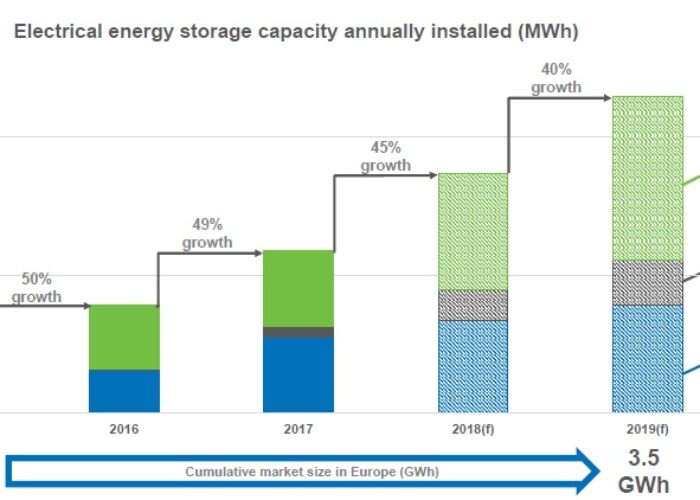
Europe’s installed base of electrical energy storage leaped by almost 50% during 2017 but perhaps the bigger takeaway is the growing share of battery systems installed behind-the-meter, an analyst has said
Australia’s energy and environment minister has hailed the country’s accelerating residential energy storage sales as a report has emerged from Chief Scientist Dr Alan Finkel which says the “financial equation is straightforward” for adding batteries to home PV systems.