Acciona Energía and Saudi Arabian firm Swicorp are to build and own three solar PV plants with a combined capacity of 186MW in the Benban solar complex in Aswan, Egypt.
GCL System Integration Technology (GCL-SI) has launched its first modular PV power plant system. The ‘Super 2.5 MW Solar Block’ system utilizes GCL-SI’s 96-cell modules with a specially developed horizontal single axis tracker to accommodate the large-area modules as well as an all-in-one Inverter Power Container for 1500V DC system voltage.
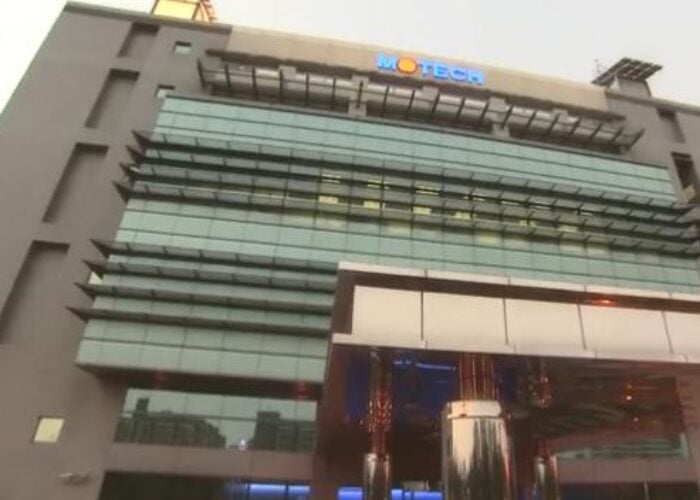
Leading Taiwanese solar cell and module manufacturer Motech Industries said it was entering into a Joint Venture (JV) with metallisation paste supplier, Giga Solar Materials Corp to establish a solar module assembly plant in Taiwan to meet future domestic demand.
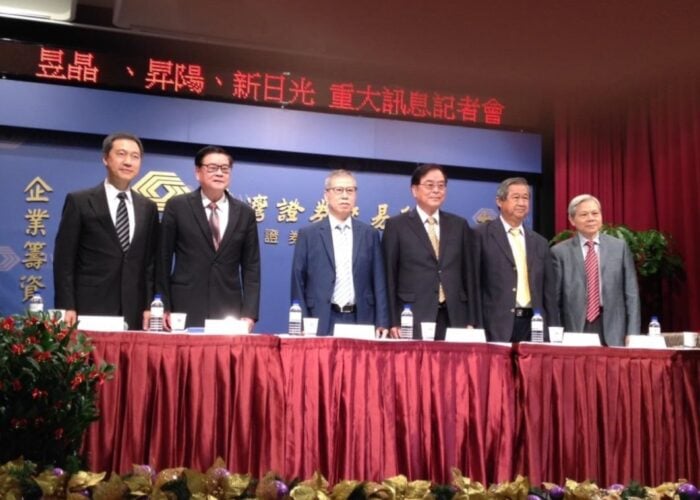
What a start to the PV Taiwan 2017 week! There have been some rather tame mergers and acquisitions in the solar PV industry over the years - not to mention the shuffling of zombie factories within China – but the news today that Neo Solar Power, Gintech Energy Corp., and Solartech Energy are planning to merge is worthy of far more scrutiny.
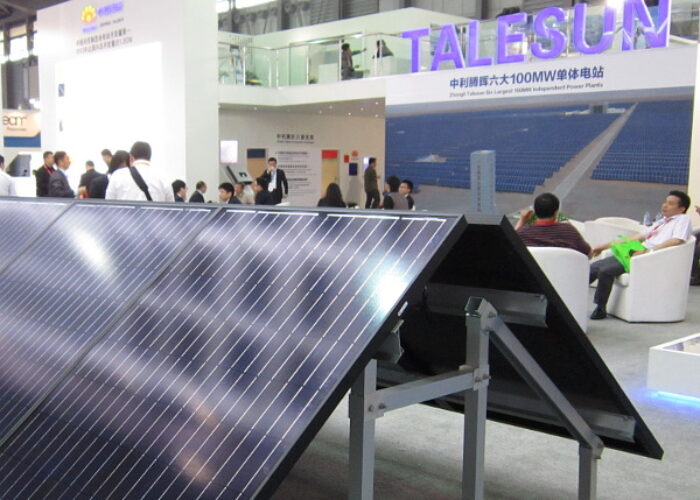
PV manufacturer and EPC firm Jiangsu Zhongli Group Co., Ltd has recently secured a number of ‘Poverty Alleviation’ projects in China totalling around 606MW, bringing its total to almost 930MW.
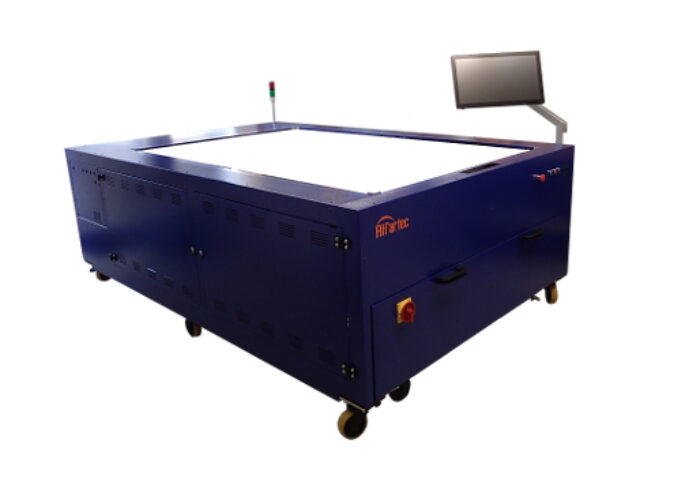
Swiss-based solar simulator equipment supplier Alfartec has had its new generation of module tester, BlueSky MT240 certified by China’s 3rd party lab, NIM at a ‘Silicon Module Super League’ (SMSL) member at a c-Si module manufacturing plant in China.
As expected, three of Taiwan’s merchant solar cell and module producers, Gintech Energy Corp, Neo Solar Power (NSP) and Solartech Energy have officially announced plans to merge and exit the ‘foundry’ business model they were founded on.
Three of Taiwan’s merchant solar cell and module producers, Gintech Energy Corp, Neo Solar Power (NSP) and SolarTech Energy have separately announced the suspension of trading of their stocks on the Taiwan Stock Exchange beginning on October 16.