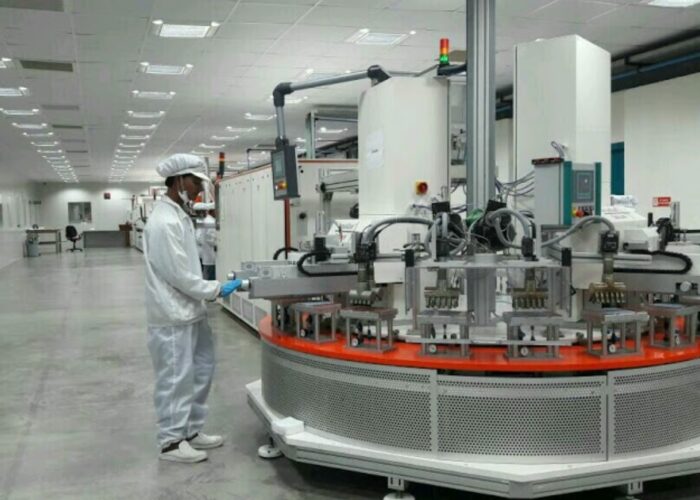
Independent energy advisory and certification body DNV GL has launched its first mobile laboratory service for the on-site testing of PV modules across India.
The Solar Lab offers on-site Flash test/I-V curve measurement and electroluminescence (EL) testing for client' PV modules. Such tests usually have to be conducted in a stationary laboratory, which can include transportation risks, so the mobile lab aims to save both time and cost. It will also provide post-delivery-pre-installation and post-installation quality assurance of modules.
Try Premium for just $1
- Full premium access for the first month at only $1
- Converts to an annual rate after 30 days unless cancelled
- Cancel anytime during the trial period
Premium Benefits
- Expert industry analysis and interviews
- Digital access to PV Tech Power journal
- Exclusive event discounts
Or get the full Premium subscription right away
Or continue reading this article for free
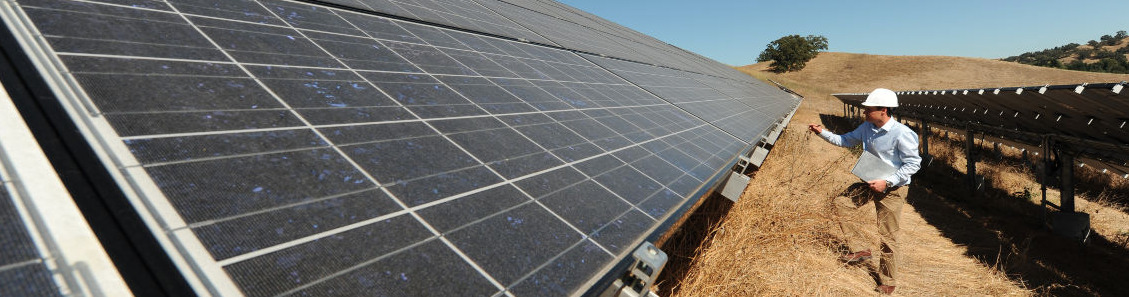
The on-site testing also allows investors to detect transport-related damage when the modules arrive on site which otherwise would not be possible, while for operating projects, on-site measurements can assist in determining the sources of module performance issues.
DNV GL has claimed in a release that this will also be India’s first mobile PV testing lab to use an advanced A+/A+/A rated LED flasher that can conduct tests with lab-grade accuracy.
Indian firm Mahindra Susten was the first company to introduce a mobile solar lab to the Indian market in September 2017, after reporting significant performance drops in many third-party PV projects.
Ever since India introduced new standards for module testing, the country has been lacking in test labs, so the news will be welcomed by the government.
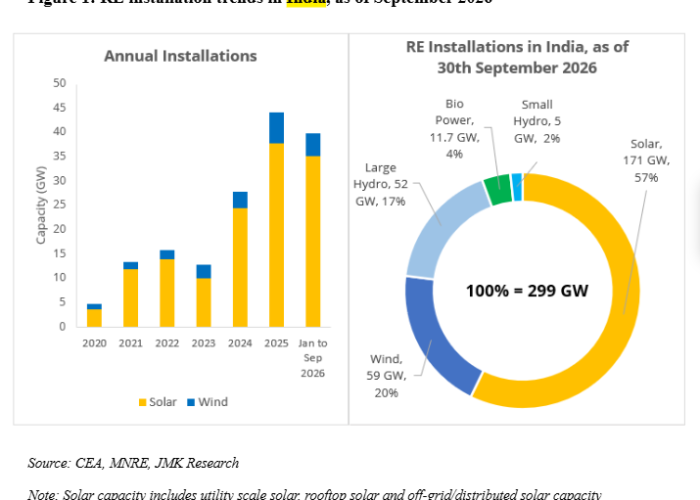
Nicolas Renon, EVP, APAC at DNV GL – Energy said: “We predict in our 2018 Energy Transition Outlook that primary energy consumption of solar PV in India will increase from 0% in 2016 to 24% by 2050. The on-site Solar Lab will support the demands of the rapidly growing solar market, further empowering developers and financiers to identify secure solar investments and accelerate India’s energy transition.”
Major certification body the Bureau of Indian Standards (BIS) recently recognised TUV Rheinland's PV testing laboratory located in Bangalore, India, meaning the lab is now authorised to conduct testing of solar modules.
PV IndiaTech 2019 is the latest addition to PV Tech’s acclaimed series of bespoke, high-quality, global solar PV events. PV IndiaTech will bring together all the key domestic and overseas stakeholders, including government bodies, investors, and the leading companies today from manufacturing to O&M and asset management. To thrive globally as a major PV power beyond 2020, India has to succeed in unlocking its potential both to manufacture and to lay claim to quality utility-scale solar farms that are providing high returns on investment to site owners.