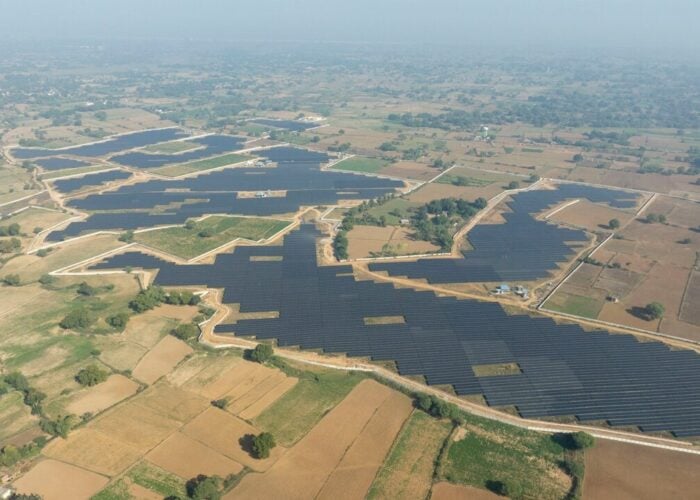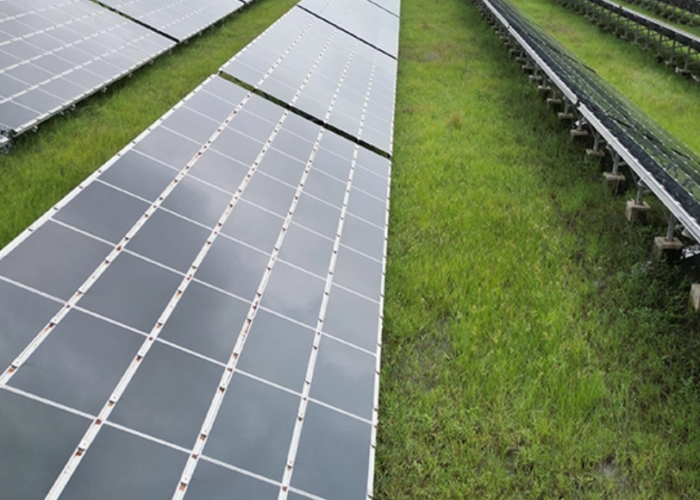
Development financiers are looking to lure in private players to deploy utility-scale solar in the world’s most densely populated country, hoping to combat land shortages for renewables.
On Monday, the World Bank’s International Finance Corporation (IFC) said it will back a competitive bidding process to choose an IPP for a 35-50MW pilot PV installation in Bangladesh.
Try Premium for just $1
- Full premium access for the first month at only $1
- Converts to an annual rate after 30 days unless cancelled
- Cancel anytime during the trial period
Premium Benefits
- Expert industry analysis and interviews
- Digital access to PV Tech Power journal
- Exclusive event discounts
Or get the full Premium subscription right away
Or continue reading this article for free
The project, slated for construction in the western Bangladeshi district of Kushtia, will be tendered to private sector developers alongside the country’s state renewable energy body SREDA.
The pilot’s promoters described it as trailblazing for Bangladeshi renewables, which under government goals must soar from around 3% of energy generation today to 20% by 2030.
As the IFC noted, the Asian country – home to 160-plus million people within a surface area only slightly bigger than New York state – faces land scarcity as it works towards green energy targets.
The IFC’s hope is that the 35-50MW pilot PV plant, set to be deployed on land of lower agricultural value, will be the first of a series targeting sites of the same nature.

As the IFC’s Bangladesh, Bhutan and Nepal country manager Wendy Werner put it, the goal is to “repeat” this model – PV deployment on marginal low-lying land – across the country.
The solar public-private partnership will be supported by various development bodies, including entities run by the European Commission, Germany and the UN’s sustainable development unit.
Predicted to be a global PV hotspot in 2019, Bangladesh witnessed last year a raft of utility-scale moves, with sponsors including Saudi Arabia’s Alfanar (100MW) and the UAE (100MW).
Under a separate deal with the World Bank, the Asian state is working to deploy a 310MW renewable pipeline, including a 50MW first batch of large-scale solar park in the Feni District.