In celebration of Earth Week, Massachusetts governor Charlie Baker announced six separate programmes to promote clean energy and energy efficiency.
Baker explained that one of the main goals of these programmes is to promote access to renewable energy for lower-income families. The state is providing US$10 million for the various projects, which will be carried out by non-profits or local governments.
Try Premium for just $1
- Full premium access for the first month at only $1
- Converts to an annual rate after 30 days unless cancelled
- Cancel anytime during the trial period
Premium Benefits
- Expert industry analysis and interviews
- Digital access to PV Tech Power journal
- Exclusive event discounts
Or get the full Premium subscription right away
Or continue reading this article for free
“These new programmes will allow for more low-income families in Massachusetts to access more affordable clean energy,” said Baker during the official announcement event at a Housing Authority complex last week. “The report shows continued collaboration across state government is crucial to the Commonwealth building upon the success we have achieved in reducing the energy burden for low-income communities.”
“This kind of collaboration between state agencies and regional and municipal partners on the front lines of clean and efficient energy across the Commonwealth will effectively help families gain access to clean energy technology,” added lieutenant governor Karyn Polito. “This suite of programmes will help unleash the full potential of Massachusetts’ clean energy programmes by expanding access at all economic levels.”
Administration Announces Communities, Nonprofits to Participate in State #Solar Programs #MAEarthWeek #EarthDay https://t.co/CqiE6XL5Tw pic.twitter.com/pCkmixEMAs
— Charlie Baker (@MassGovernor) 22 April 2017
The push for solar
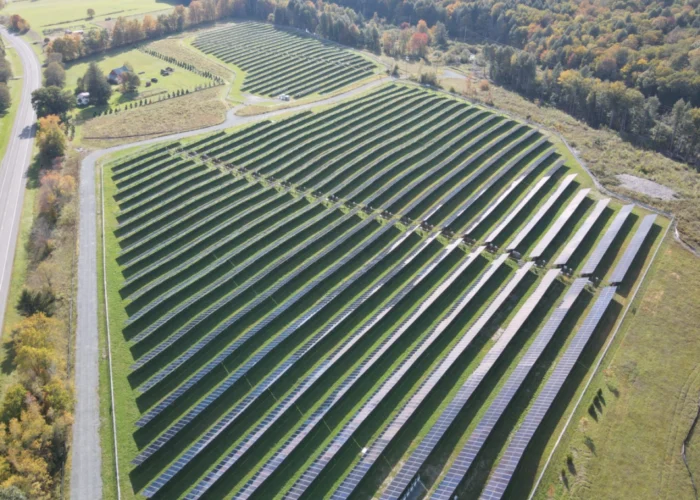
The push towards greater renewable energy integration is part of the overall Baker-Polito administration’s Affordable Access to Clean and Efficient Energy (AACEE) Initiative. For example, one of the programmes under the initiative will provide US$300,000 for a solar energy project in a low-income community. Overall, the projects should result in a mammoth energy saving for low-income households of an estimated US$4.5 million.
A further US$3 million will be directed towards the Affordable Clean Residential Energy (ACRE) project which supports the installation of solar electric and air-source heat pump systems in homes that contain one to four housing units.
The Massachusetts Department of Energy Resources (DOER) recently released the final design for the state’s next solar incentive programme, Solar Massachusetts Renewable Target (SMART). SMART will continue Massachusetts’ solar growth with widespread access for all ratepayers; including low-income residents and community solar. Once a new solar incentive has been approved and goes into effect, DOER will provide a US$300,000 competitive grant for a low income community shared solar project that demonstrates an effective project design and use of the new incentive.
Continued climate action
The renewed pledge for clean energy by the Baker administration comes after an attack on climate change and environmental protection by the Trump administration which is currently reviewing the Clean Power Plan. Massachusetts was one of the states that responded to the move by asserting it would continue to fight the cause for renewables.
Governor Baker continued the administration’s commitment to combating climate change by signing an executive order which provides a roadmap for the state to reduce greenhouse gas (GHG) emissions and build a more resilient commonwealth.
“The Baker-Polito Administration is committed to working across municipal, state, and federal agencies to break down barriers to affordable, clean energy and maximize programme impact for Massachusetts’ residents,” said Energy and Environmental Affairs secretary Matthew Beaton. “DOER continues to lead the charge to ensure that residents across the Commonwealth have local access to clean and efficient energy technologies.”