Both major parties in the election race for the Australian state of New South Wales have put forward plans focusing on solar and storage for households, with some mixed but mostly positive reaction from the industry.
Clean Energy Council (CEC) said of the Coalition government and opposition Labor Party announcements that it shows both major parties recognising the importance of solar and storage to voters ahead of the state election next month and its chief said the plans were a “great start”.
Try Premium for just $1
- Full premium access for the first month at only $1
- Converts to an annual rate after 30 days unless cancelled
- Cancel anytime during the trial period
Premium Benefits
- Expert industry analysis and interviews
- Digital access to PV Tech Power journal
- Exclusive event discounts
Or get the full Premium subscription right away
Or continue reading this article for free
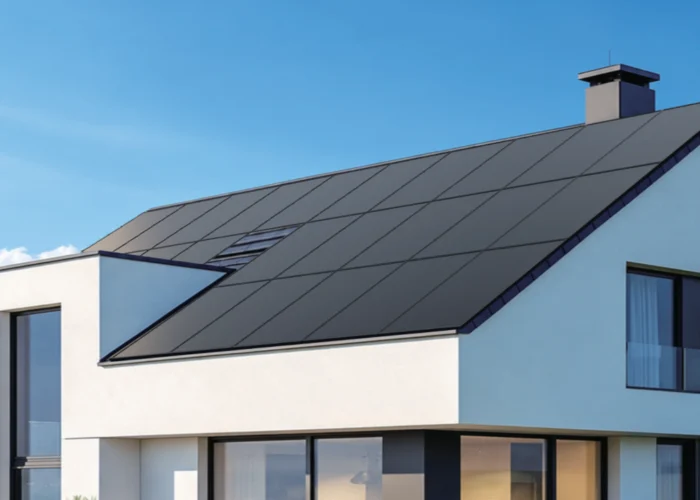
Under the Coalition scheme, up to 300,000 households would be able to access loans of up to A$9,000 (US$6,390) per battery system and up to A$15,000 per solar-battery. Meanwhile, an NSW Labor government would be offering up to A$2,200 for 500,000 families to install solar.
CEC chief executive Kane Thornton noted the importance of adequate safeguards to ensure quality in whatever renewable energy systems are installed as a result of these policies, before adding: “The zero-interest loans of up to A$15,000 for solar and storage systems proposed by the government would provide people with the means to store energy from the sun, for use when it is most needed. As with other renewable energy technologies, one of the biggest barriers for consumers in taking up energy storage is the up-front cost.”
He added: “NSW Labor’s strong commitment to support an additional half a million households in the state with solar rebates of up to A$2,200 per household over the next decade will also ensure a vibrant industry and provide expanded opportunities for solar businesses and installers.”
Campaign group Solar Citizens, on the other hand, described the announcements as merely “better than nothing”. Noting that consumers prefer grants over loans, it said the plan for interest-free loans to households only filled a gap left by a policy shortfall of late, adding that some commercial providers already offer interest-free loans. It also warned that it “fell short of consumer expectations and potentially duplicates existing financing options”.
On the plus side, Solar Citizens director Joseph Scales said it was positive that the discussion was about how to encourage solar uptake, rather than whether to do so. He also noted that NSW households have around 15GW of potential rooftop solar capacity.
The Smart Energy Council said that the NSW Government would also use the programme to encourage battery manufacturing in NSW.
Smart Energy Council CEO, John Grimes, said: “This announcement is a welcome boost for families and for the solar and battery storage industries. We welcome the focus on manufacturing and look forward to seeing more details.”