Solar’s contribution to electricity generation has led associations in Spain and Australia to call for the sector to be given ‘essential industry’ classification, as national lockdowns on ‘non-essential’ business activity proliferate under the COVID-19 outbreak.
Spain imposed a national lockdown on 14 March, while Australia is using a staged shutdown approach, with prime minister Scott Morrison initiating stage 2 of the lockdown on Tuesday night.
Try Premium for just $1
- Full premium access for the first month at only $1
- Converts to an annual rate after 30 days unless cancelled
- Cancel anytime during the trial period
Premium Benefits
- Expert industry analysis and interviews
- Digital access to PV Tech Power journal
- Exclusive event discounts
Or get the full Premium subscription right away
Or continue reading this article for free
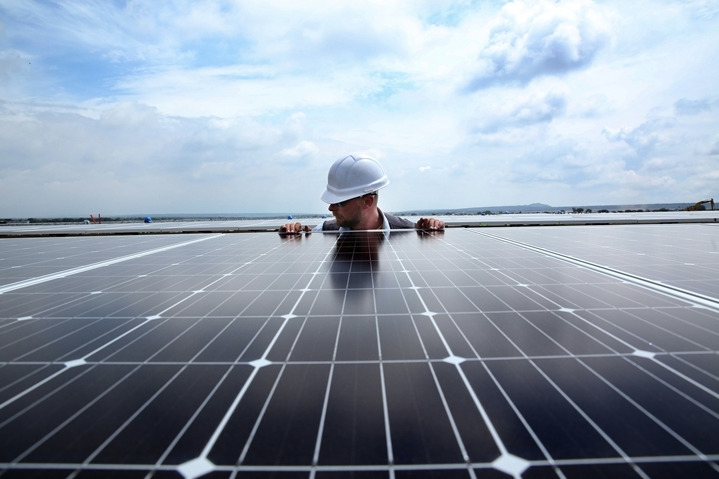
Both Australia’s Clean Energy Council (CEC) and Spain’s solar association UNEF stressed that the safety of workers in PV is paramount and efforts are ongoing to minimise health risks for employees and the general public.
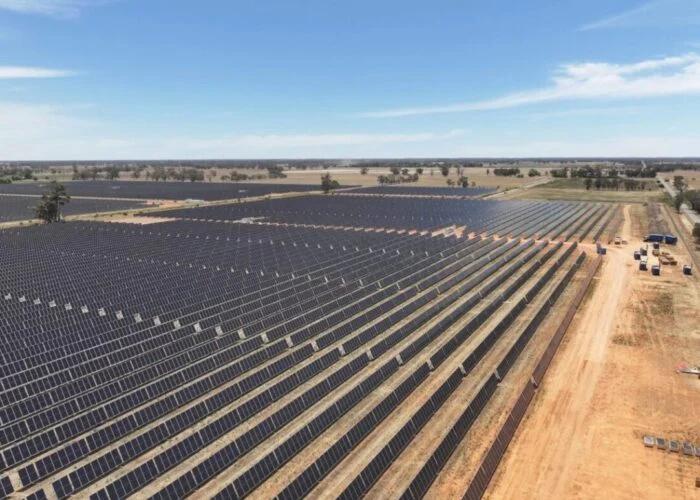
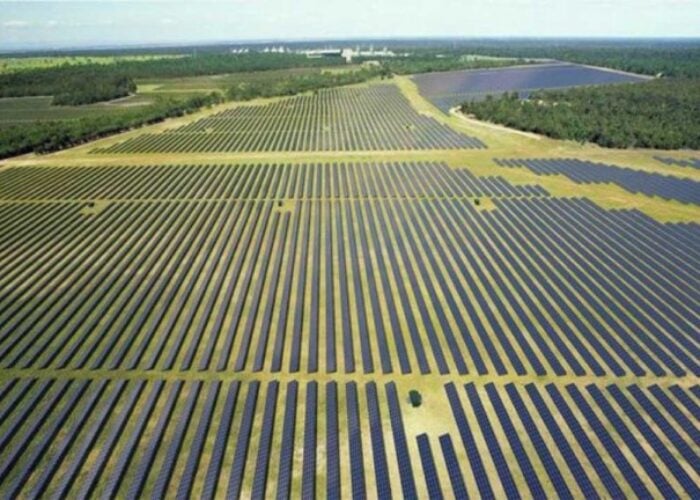
However, the associations noted that the coronavirus pandemic is not just a health issue, but also an economic and social problem. Thus, they argued that the continued supply of energy services through renewables must be deemed essential and allowed to continue regardless of societal lockdowns. This would include maintaining operational plants, as well as installing and connecting power generation assets in the future.
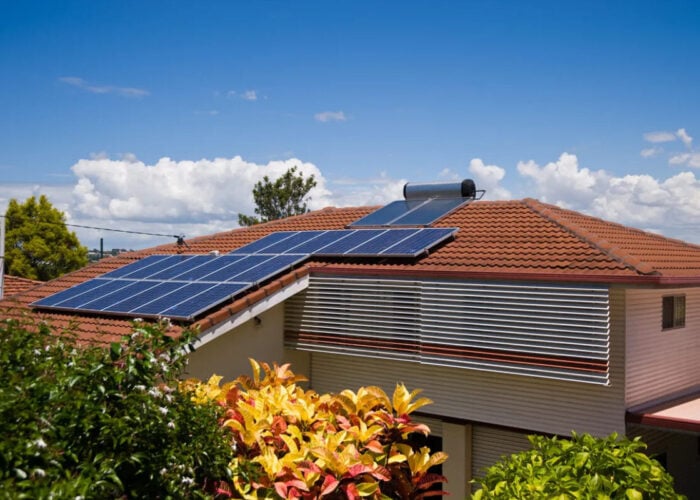
“Energy provision is very clearly an essential service,” stated Australia's CEC in a release. “This includes the hundreds of renewable energy projects under construction and in operation across Australia as well as the millions of rooftop solar and household battery systems that are all essential to the operation of the Australian electricity system. […] It is vital that these projects and systems can continue to operate flexibly and safely during this crisis.”
CEC included energy storage, transmission and distribution services in its list of activities that it deemed to be ‘essential’.
Pooling resources
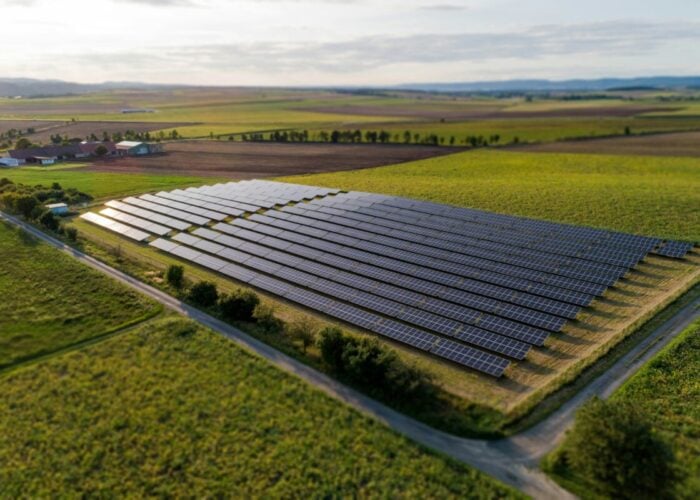
Renewables have cemented themselves as key parts of the energy mix, for example accounting for more than 20% of Australia’s electricity production at present. Meanwhile, Spanish PV generated 2,354GWh of electricity in the first quarter of 2020, while employing 29,000 people. PV also contributes more than €5 billion (US$5.4 billion) to the national GDP, according to UNEF’s annual report 2018.
In this disease outbreak scenario, renewables suffer the misfortune of requiring the flexible movement of specialised workers and equipment between regions and jurisdictions to service plant and systems as required. Thermal generation plants, on the other hand, typically have specialist staff and spare parts round-the-clock on site.
CEC noted that some of its members have begun exploring informal ways of pooling resources in certain locations, to enable rapid-response, business continuity and the minimisation of such travel. However, this would at best reduce rather than eliminate travel requirements, the green energy body said.
Minimising movement
Noting measures to protect PV staff, Spain’s UNEF said efforts are already underway to deploy the lowest possible number of workers at construction sites, ensuring they are local personnel in a bid to reduce movement between regions.
Operations and Maintenance (O&M) workers are to only have a single occupant in vehicles and will have specialist individual protective equipment. Spain has also moved to suspend the movements of installers of self-consumption PV systems to avoid exposure to contagion. Most other work has been brought online remotely with offices closed down.
No industry immune
Like CEC, UNEF also said PV should be seen as ‘strategic activity’, due to its powering of the “industrial fabric” of society, as well as its role in fighting climate change.
No industry is immune from the impacts of COVID-19 and oil has not escaped unscathed either, according to a release from LUX Research, which reported that oil demand is down 20% as a result of the virus.
“The oil industry is facing an unprecedented drop in demand as a result of the global measures against COVID-19,” said Lux Research director Arij van Berkel. “While it is too early to assess the impact properly, early indications by traders suggest a 20% drop in demand. The only other time with a demand decrease was in 1980, during the recession following the second oil crisis. That was “just” a mild 5% dent compared to current events.”
PV Tech has set up a tracker to map out how the COVID-19 pandemic is disrupting solar supply chains worldwide. You can read the latest updates here.
If you have a COVID-19 statement to share or a story on how the pandemic is disrupting a solar business anywhere in the world, do get in touch at [email protected] or [email protected].