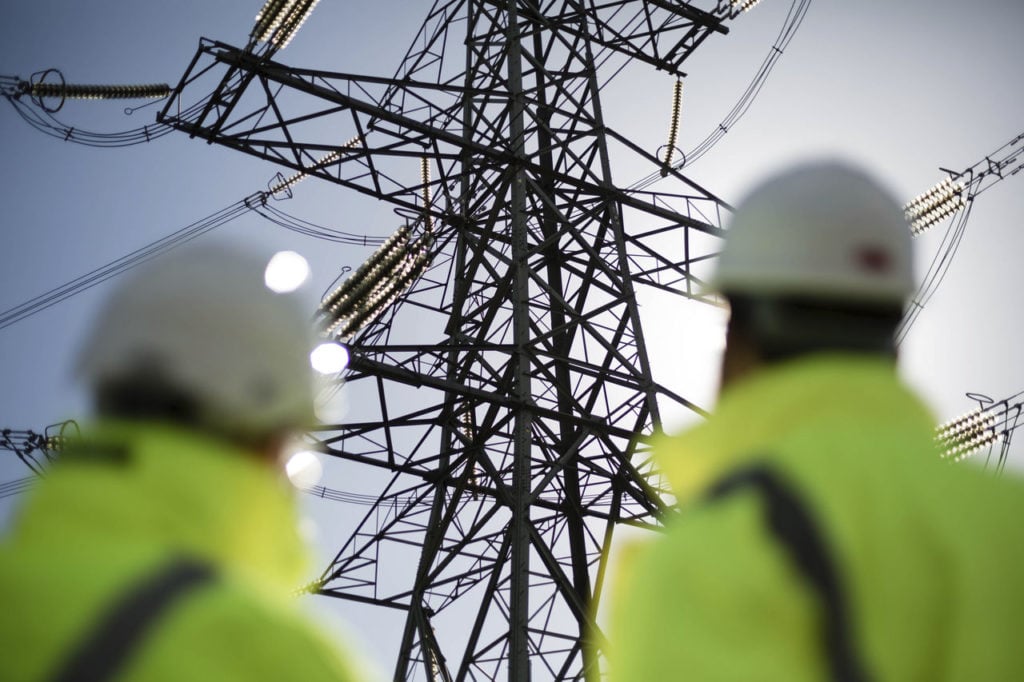
Novel technology is to be deployed by National Grid Electricity Transmission (NGET) in a bid to open up around 1.5GW of capacity for renewables.
NGET, the transmission operator in England and Wales, is claiming a world first for its large scale use of power flow control technology developed by US-based energy technology company Smart Wires.
Try Premium for just $1
- Full premium access for the first month at only $1
- Converts to an annual rate after 30 days unless cancelled
- Cancel anytime during the trial period
Premium Benefits
- Expert industry analysis and interviews
- Digital access to PV Tech Power journal
- Exclusive event discounts
Or get the full Premium subscription right away
Or continue reading this article for free
NGET said the technology was of particular importance in the UK due to the increase in renewable generation in the country, which can result in power flows change and circuits becoming unequally loaded, with some reaching maximum capacity while others are below their limits.
However, the SmartValve technology instantly routes power through the circuits which have available capacity, maximising the use of the existing network. It is hoped that by installing this technology at three substations – freeing up around 500MW of capacity at each – that greater volumes of renewable power can be efficiently transferred to customers, helping to support the UK’s goal of net zero by 2050.
While 500MW is to be freed up at each substation, National Grid is planning to extend the capability at two of these sites in the autumn, meaning an additional 500MW could be freed.
David Wright, chief engineer for National Grid, said: “I’m proud to see NGET leading the way and pioneering transformational and innovative engineering to achieve wide-scale decarbonisation and overcome bottlenecks that are preventing maximum use of our networks.”
Indeed, UK is not the only country to be faced with the issue of access to the grid and grid capacity, with panellists at a Danish workshop as part of the Solar Finance & Investment Europe conference held by PV Tech publisher Solar Media in February hearing that attempts to build up the country’s grid could create a “bottleneck” for more renewables projects coming online.
During this talk Jens Peter Zink, executive VP at European Energy, said that providing “more flexible access to the grid” could alleviate some of the issues surrounding grid connections, but that building out grid capabilities will be a “big hurdle” for solar developers in many countries.