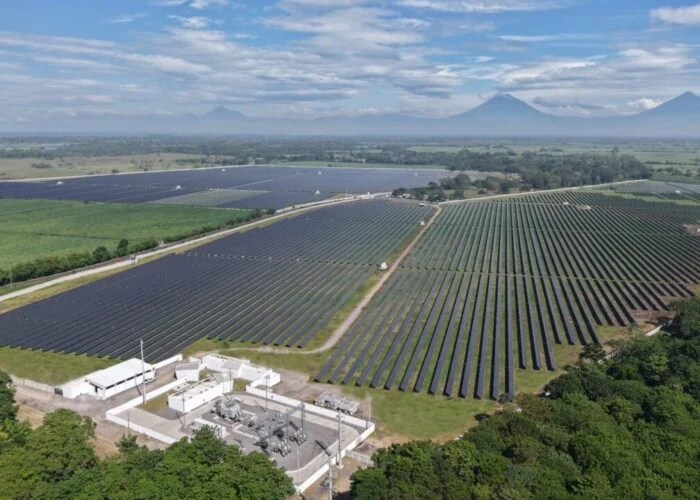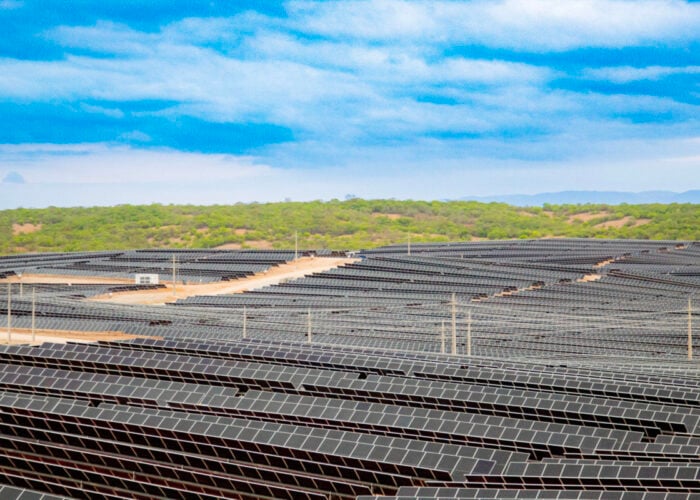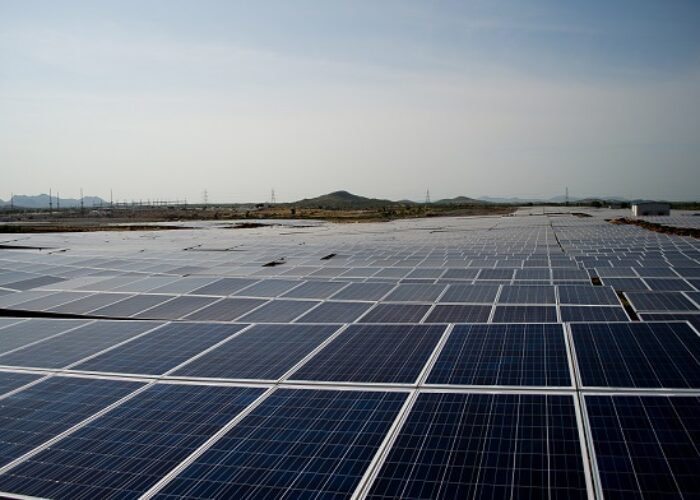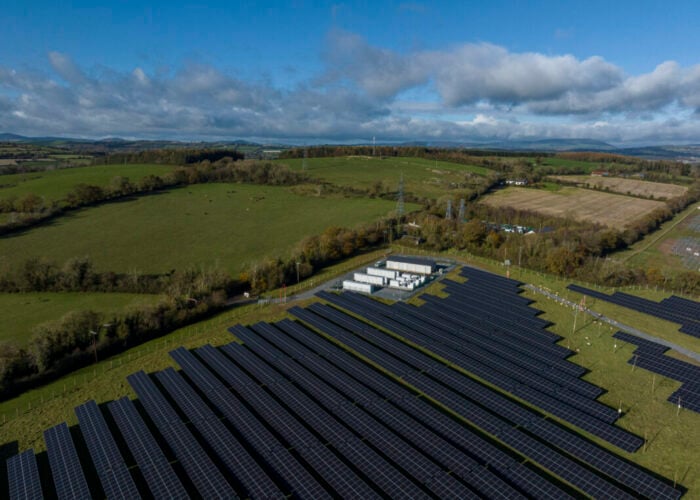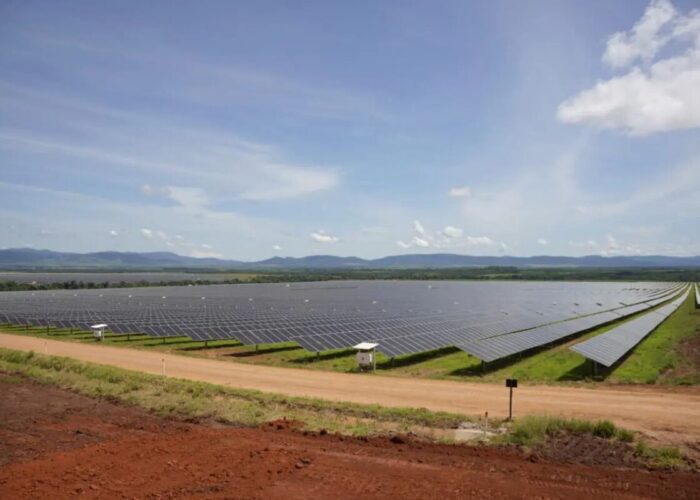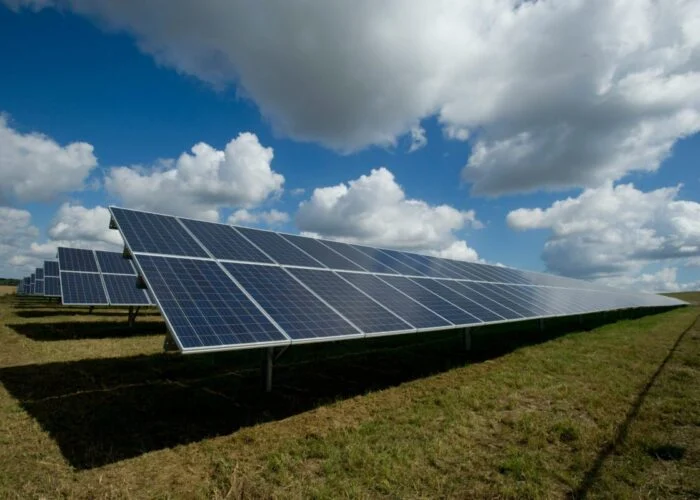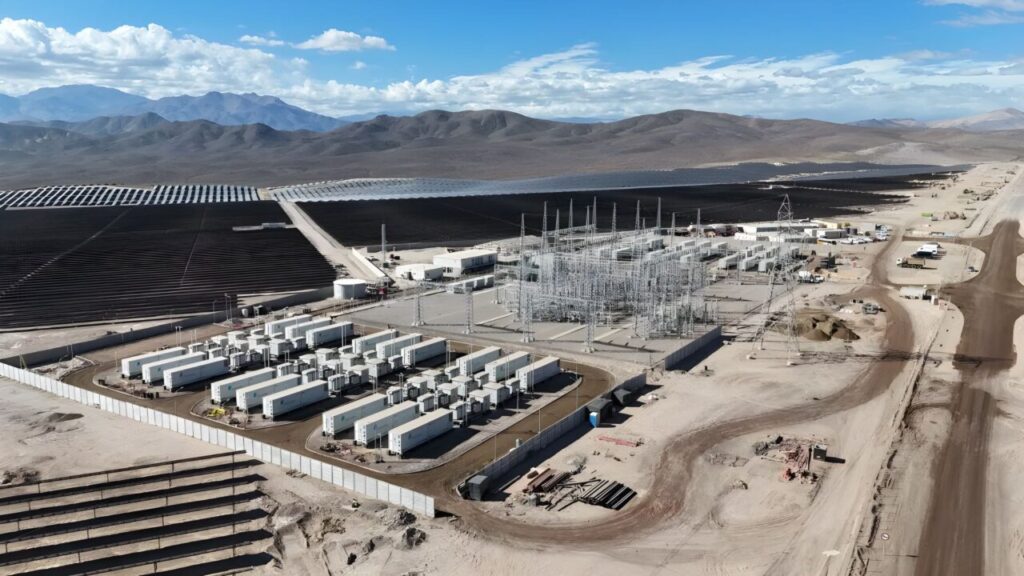
Renewables developer Pacific Hydro has started commercial operations at its 293MW/220MWh solar-plus-storage project in Chile.
Located in the solar hotbed region of Atacama, the Parque Solar Desierto de Atacama represents the first solar-plus-storage project for the company in Chile, which already has operational wind and hydropower projects in the country, according to Gustavo Carmona, executive director of projects at Pacific Hydro.
Try Premium for just $1
- Full premium access for the first month at only $1
- Converts to an annual rate after 30 days unless cancelled
- Cancel anytime during the trial period
Premium Benefits
- Expert industry analysis and interviews
- Digital access to PV Tech Power journal
- Exclusive event discounts
Or get the full Premium subscription right away
Or continue reading this article for free
Construction of the project represented an investment of nearly US$300 million, with the battery energy storage system (BESS) having a 2-hour duration.
The construction of solar-plus-storage projects or even the co-location of BESS on operational solar PV plants has accelerated in Chile over the past twelve months. Every story covered on PV Tech about Chilean projects in 2025 has either been solar-plus-storage ones or the co-location of BESS to a solar PV plant.
Building a standalone solar PV project in the country has become financially unviable (Premium access), especially as curtailed solar PV and wind continue to increase, although at a much slower pace (up 8% in 2025) than it did between 2023 and 2024 when curtailed capacity more than doubled (up 133% in 2024).
Curtailment of solar PV remains one of the biggest challenges for the Chilean solar market, according to a report on South America from Wood Mackenzie. Chile remains one of the leading markets for the growth of solar PV in the region, along with Brazil. The two countries are expected to account for 78% of all PV installations in the region in the coming years, with Wood Mackenzie forecasting 160GW of additional solar PV by 2034.
The report also highlighted another major challenge in Chile, which is related to grid constraints and a lag in the transmission infrastructure not just in Chile, but also in Brazil.