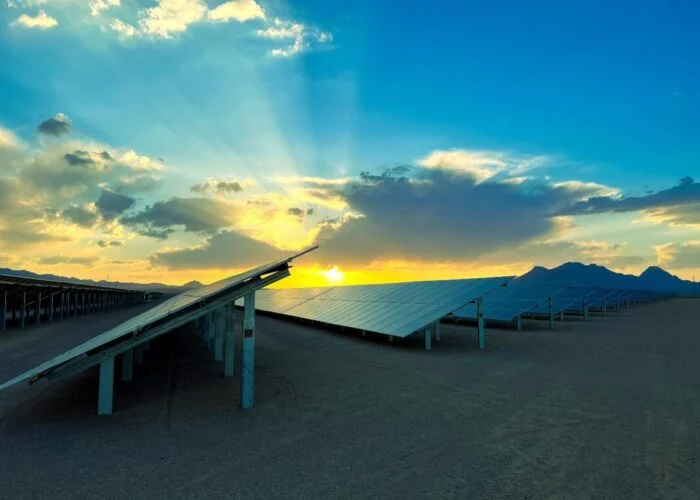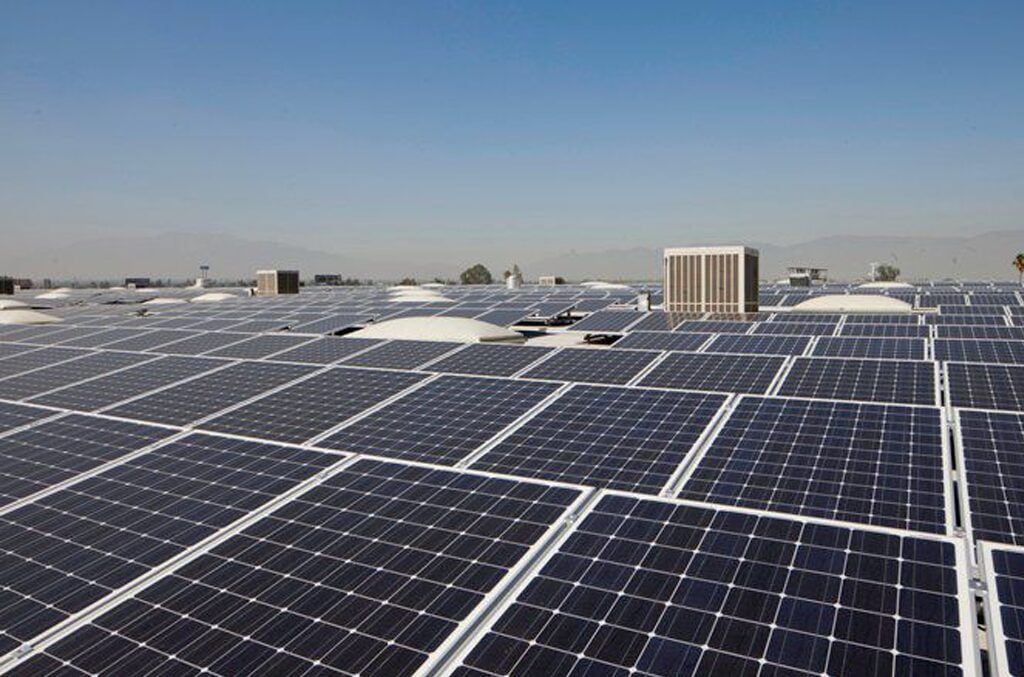
Pakistan installed 27GW of distributed solar in the last two years, prompting a 21% surge in electricity demand, according to a new report from UK-based energy think tank Ember.
Between financial year (FY) 2023 and FY 2025 Pakistan’s electricity demand grew by 33TWh and this increase was met entirely by distributed solar generation, Ember said. Power generation from these solar assets more than tripled, from 15TWh in 2023 to 51TWh in 2025. Grid generation also declined by 3%, meaning that distributed solar’s share of the national electricity mix also nearly tripled, from 10% to 28%.
Try Premium for just $1
- Full premium access for the first month at only $1
- Converts to an annual rate after 30 days unless cancelled
- Cancel anytime during the trial period
Premium Benefits
- Expert industry analysis and interviews
- Digital access to PV Tech Power journal
- Exclusive event discounts
Or get the full Premium subscription right away
Or continue reading this article for free
This growth accompanied a 5.2% increase in Pakistan’s GDP, and Ember said that distributed solar has brought the country to within “a whisker” of the global average for electrification. The global average is 22%, and Pakistan now sits at 21.7% having gained five percentage points over two years while the global average rose by just 0.8 percentage points.
The 27GW of new capacity added in 2023-25 was equivalent to all of the operational gas, coal and oil plants ever built in Pakistan, Ember said. It added that the speed and affordability of building distributed solar made it the only technology that could have transformed Pakistan’s energy sector in this way.
“Pakistan has a thirst for energy, and solar is providing it. Distributed solar is so fast and cheap to build, that it is actually driving up electricity demand,” said Dave Jones, chief analyst at Ember. “So many other emerging countries also have pent-up energy demand, weighed down by the problems and cost of fossil fuels. Pakistan’s distributed solar boom provides experience to show how fast clean energy growth can happen, and the benefits that this brings.”
The new solar capacity had avoided more than US$12 billion in oil and gas imports by 2026, Ember said, as well as enabling growth in the agriculture, industrial and commercial parts of Pakistan’s economy.
Ember’s data, in conjunction with Renewables First, showed that Pakistan has 38GW of total installed distributed solar capacity and that around 47GW of cumulative solar module shipments have gone from China to Pakistan as of June 2025.
Alongside the price and ease-of-installation, the surge in Pakistan’s small-scale solar sector has been driven by the knock-on effects of the European energy crisis of 2022, causing high power prices, grid issues creating power shortages and a “generous” net metering policy that, until recently, significantly rewarded solar adoption.
However, the report shows that net metered solar is actually a “minority” of Pakistan’s current capacity, with far more behind-the-meter and off-grid capacity than registered net metering solar. A separate report from Renewables First explains that many Pakistani consumers have moved off-grid in response to elevated power prices resulting from the government’s rush to build expensive energy solutions in the 2010s.
In August 2024, electricity demand from the national grid fell by over 17% compared with the same period in 2023, which Renewables First said “underscores the significant shift in consumer behaviour and the growing adoption of alternative energy sources in response to rising electricity costs and grid-related challenges.”