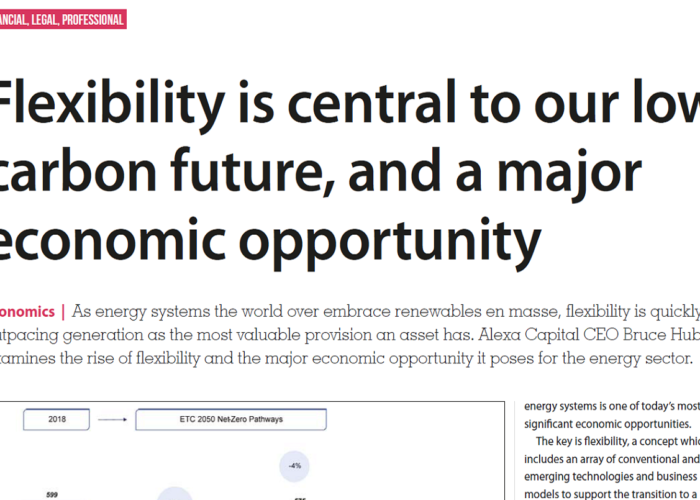
As energy systems the world over embrace renewables en masse, flexibility is quickly outpacing generation as the most valuable provision an asset has. Alexa Capital CEO Bruce Huber examines the rise of flexibility and the major economic opportunity it poses for the energy sector.
In September 2021 Lightsource bp set itself the target of reaching financial close on 25GW of solar by the end of 2025. Liam Stoker spoke to the developer’s leadership team to discover how it is expanding into new markets, securing financing deals and assembling a workforce capable of reaching that target.
Ryan D. Quint, senior manager at North American Electric Reliability Corporation take a look at the key considerations – and difficult balance – of managing grid connection from a transmission operators point of view.
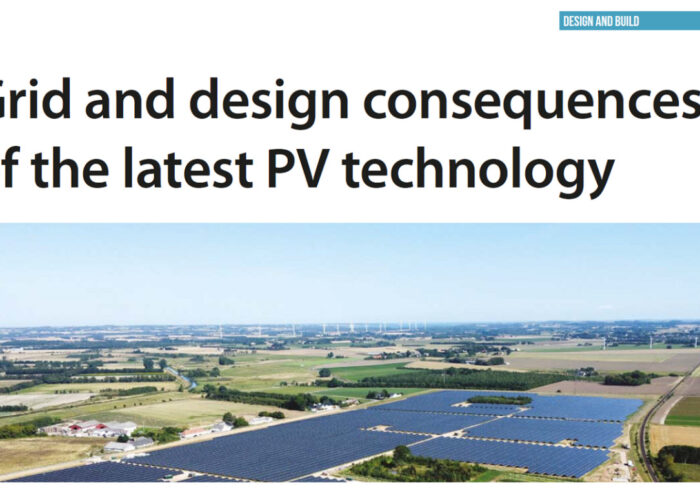
Jan Vedde, senior project manager for European Energy, takes a look at the key technological trends in the solar PV market, from changes to silicon cell manufacturing to the benefits of bifaciality.
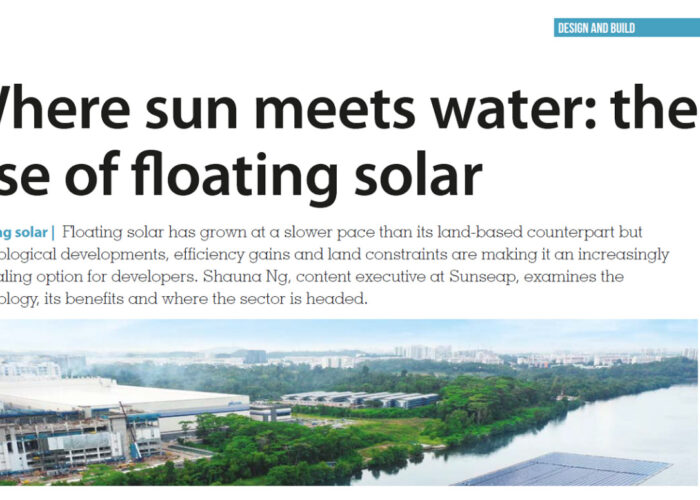
Floating solar has grown at a slower pace than its land-based counterpart but technological developments, efficiency gains and land constraints are making it an increasingly appealing option for developers. Shauna Ng, content executive at Sunseap, examines the technology, its benefits and where the sector is headed.
With solar operations and maintenance experiencing significant price pressure, adequate fault detection that occurs as quickly as possible has become increasingly important for asset operators. Here, 3E’s Julien Deckx explores early fault detection strategies for solar PV plants.
Last year analysis by renewables performance aggregator and insurance provider kWh Analytics highlighted the extent of solar asset underperformance against P50 estimates in the US. Here, the company’s Sarath Srinivasan details some of the reasons behind that underperformance.
While still nascent, green hydrogen can take off as a fuel source and energy storage system if it is afforded the support, regulatory environment and financial backing it deserves, Hive Energy’s Shirvine Zhang tells Sean Rai-Roche.
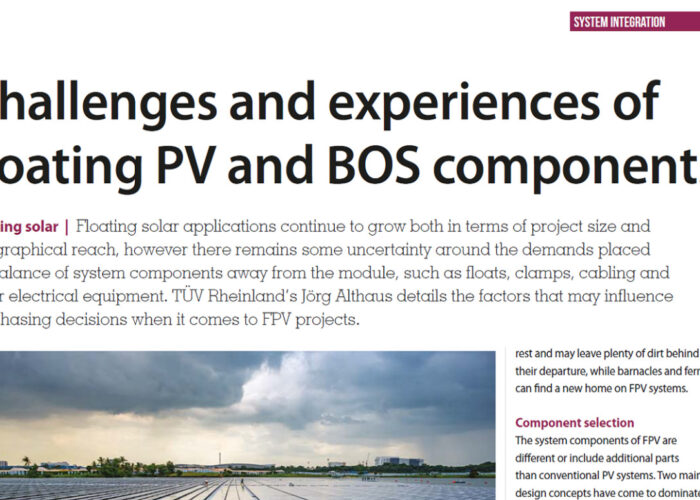
Floating solar applications continue to grow both in terms of project size and geographical reach, however there remains some uncertainty around the demands placed on balance of system components away from the module, such as floats, clamps, cabling and other electrical equipment. TÜV Rheinland’s Jörg Althaus details the factors that may influence purchasing decisions when it comes to FPV projects.