An earthquake in the Southwestern Chinese province of Sichuan has not led to any material decline in production of solar products despite the province being home to several crucial industrial clusters, according to Chinese market intelligence firm WeBank, but power rationing across the country has seen the price of polysilicon jump again.
On Monday (5 September), a 6.8 magnitude earthquake hit Luding County in Ganzi prefecture at 12:52pm, according to the China Earthquake Networks Centre.
Try Premium for just $1
- Full premium access for the first month at only $1
- Converts to an annual rate after 30 days unless cancelled
- Cancel anytime during the trial period
Premium Benefits
- Expert industry analysis and interviews
- Digital access to PV Tech Power journal
- Exclusive event discounts
Or get the full Premium subscription right away
Or continue reading this article for free
The strongest earthquake to strike the quake-prone region in half a decade has already claimed scores of lives and destroyed roads, buildings and infrastructure systems but it has failed to disrupt PV production in the region, according to WeBank.
Sichuan is home to several solar manufacturers, including JinkoSolar, GCL Technology, Beijing Express and Gaoce. The province has around 200,000MT of polysilicon capacity, 53GW of wafer capacity and 42GW of cell capacity.
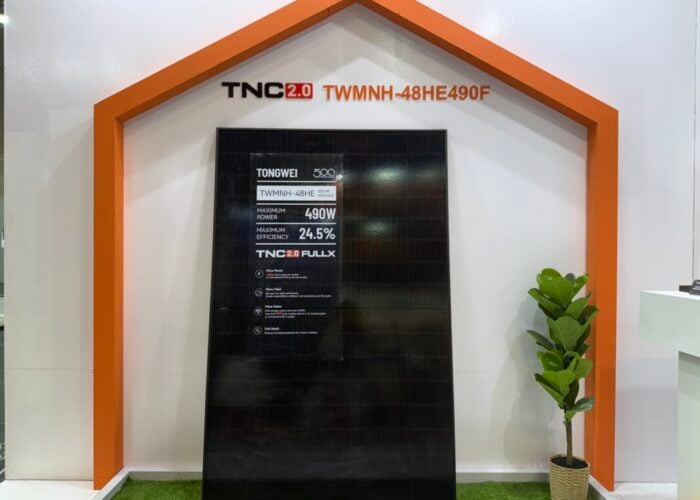
GCL Group said it had carried out on-the-ground assessments and that the production at its Leshan Granular Silicon Project was carrying on despite the quake, while Tongwei said the earthquake’s epicentre was far from production centres and had not affected the company’s production in Sichuan.
The earthquake comes on the back of power rationing in China that has already seen PV production curtailed.
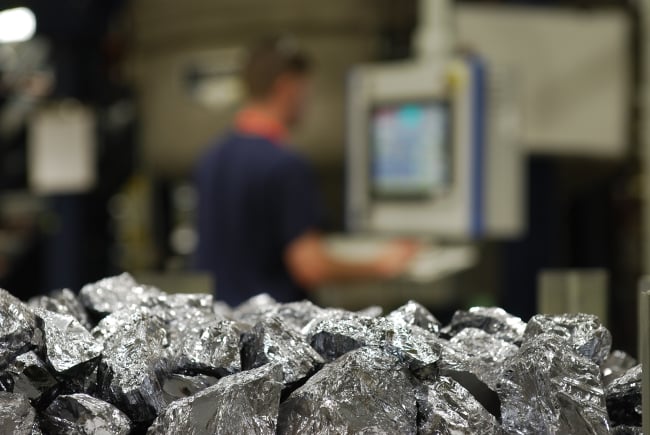
According to data from China’s Silicon Industry Branch and PV InfoLink, the average price of polysilicon in China rose 0.7% to RMB310,000/MT this week, constituting the 29th price rise this year alone.
As previously reported by PV Tech Premium, power rationing in major solar-producing provinces caused output to drop off as companies responded to government fiats to reduce their power consumption.
Sichuan ordered its industries to suspend production from 15 August – 20 August, with this later extended in some cases to 27 August. This has also been the case in many other key solar provinces and has led to a rise in the price of solar grade polysilicon.