The Queensland government has announced AU$5.5 million (US$3.53 million) in funding for a solar module recycling pilot programme and to support the growth of the large-scale renewable energy industry.
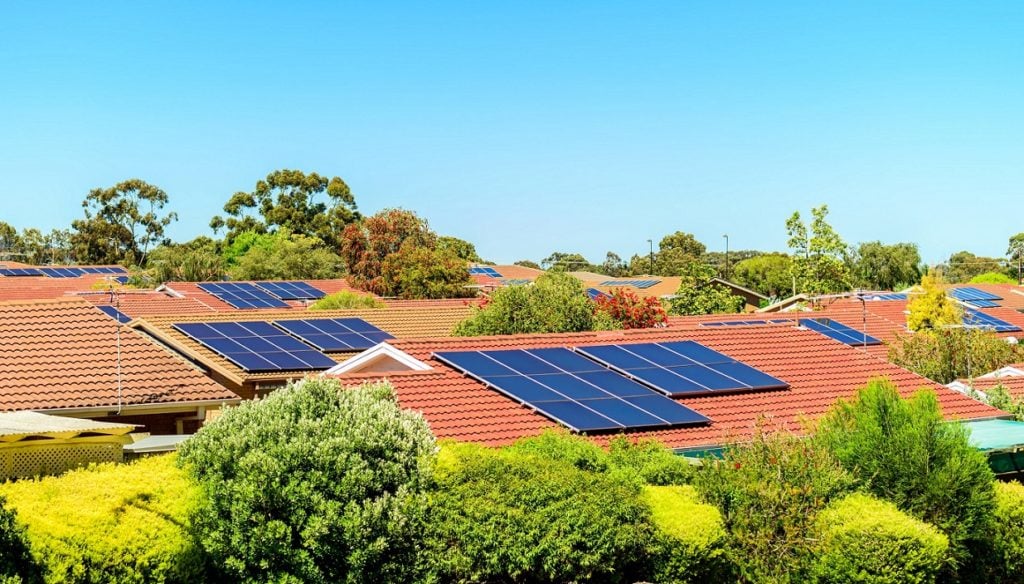
About AU$2.5 million of the funding will be used to ensure that residential solar modules can avoid landfills and are repurposed for parts. This solar module recovery pilot programme will also collect information to help inform the development of a national product stewardship scheme, identifying any gaps in Queensland’s recovery and processing capacities.
Try Premium for just $1
- Full premium access for the first month at only $1
- Converts to an annual rate after 30 days unless cancelled
- Cancel anytime during the trial period
Premium Benefits
- Expert industry analysis and interviews
- Digital access to PV Tech Power journal
- Exclusive event discounts
Or get the full Premium subscription right away
Or continue reading this article for free
“The solar module recovery pilot will identify the best path forward in recycling solar panels once they have reached their end of life or have become damaged,” said Queensland environment minister Leanne Linard.
The remaining AU$3 million of the funding will be dedicated to delivering Queensland Renewable Energy Industry Association Grants, allocated to the Smart Energy Council (SEC), the Queensland Renewable Energy Council (QREC) and the Clean Energy Council (CEC).
Funding to SEC will include support for a large-scale solar PV recycling pilot programme to ensure appropriate drop-off sites and distribution to resource recovery, reuse and recycling facilities in Queensland. SEC will also manage the solar module recovery pilot programme.
As for CEC, it will use the funding to promote local job opportunities in the clean energy economy and offer training on social licence to support delivery of energy infrastructure projects in Renewable Energy Zones (REZ).
QREC will use the funding to conduct an annual industry survey to collect Queensland data to guide better practice, with results to be published in its QREC Annual State of the Sector Report. It will also engage local governments in renewable energy zones to understand local needs and support communities to participate in the energy transformation.
“Through its AU$1 billion solar panel manufacturing plan, the Albanese government has provided the start of the line for solar modules, while today’s announcement by the Miles government means we provide an end-of-life plan,” said Queensland energy minister, Mick de Brenni.
In March, the Australian government launched the Solar Sunshot programme, an AU$1 billion investment to support the Australian solar module manufacturing industry, to widespread support from the sector. The funds will go towards grants and subsidies to encourage companies to invest in solar manufacturing in Australia, following in the footsteps of similar measures elsewhere in the world, most notably the Inflation Reduction Act (IRA) in the US and the Net Zero Industry Act (NZIA) in Europe.
The government will work with the Australian Renewable Energy Agency (ARENA) to scale up solar manufacturing, and plans to use the funds to support the building of ingots, wafers, cells, modules and “related components”, which include inverters and solar glass, with the agency to begin work in April.