Investment in the off-grid solar sector hit a record US$450 million in 2021, according to the latest report from the Global Off-grid Lighting Association (GOGLA).
Independent power producer Scatec has signed power purchase agreements (PPA) for three co-located solar and storage projects in South Africa that include 540MW of PV capacity.
UAE-owned renewable energy company Masdar has penned an agreement with the Ministry of Energy of the Republic of Azerbaijan to develop up to 10GW of renewables in the country as Masdar continues to expand its international presence.
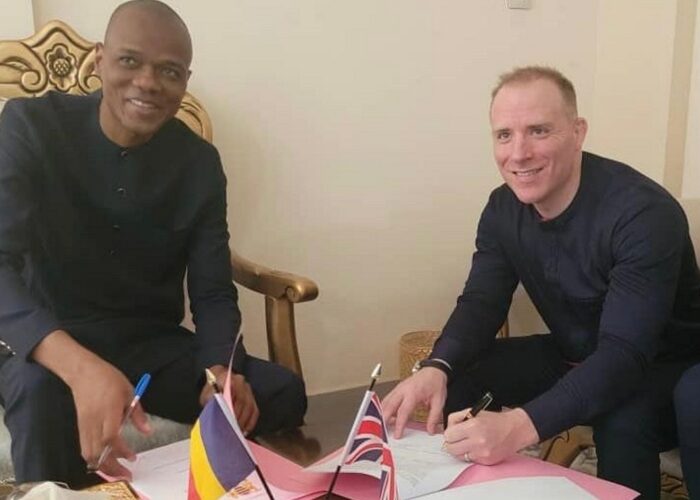
British energy company Savannah Energy has signed an agreement with the government of Chad for the development of up to 500MW of utility-scale renewables.
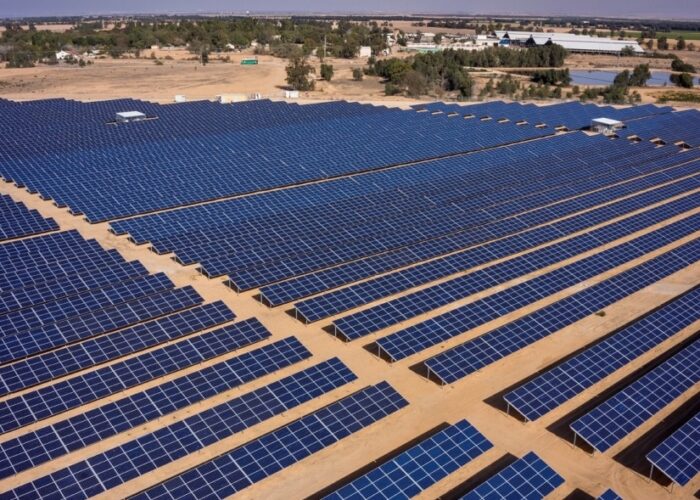
Israel is planning to scale up solar deployment as part of a new government strategy designed to put the country on track to have 30% of its electricity generation from renewables by 2030.
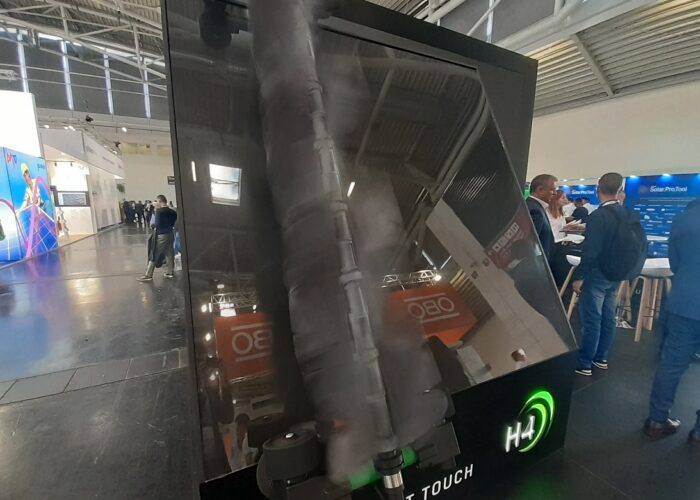
Solar O&M solutions provider Ecoppia is navigating ongoing component shortages while expending its operations into new geographies and ramping up production of its latest PV panel cleaning robot.
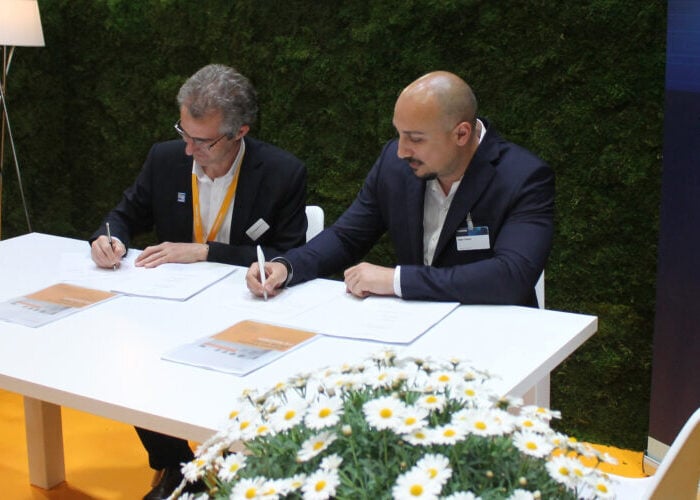
Inverter manufacturer Gamesa Electric has signed a strategic cooperation agreement with Siemens AG to supply its central inverters for solar PV and battery energy storage system (BESS) projects.
Supply chain woes, spiralling energy prices and the COVID-19 pandemic have reversed the downward trend in average business interruption (BI) claims for renewables developers, with sector-wide average business downtime days up by 38% on 2016.
Faster action should be taken to counter the threat of cyberattacks in the energy industry as professionals raise concerns about the possibility of operational shutdowns and damaged assets, according to new research from risk management and quality assurance provider DNV.