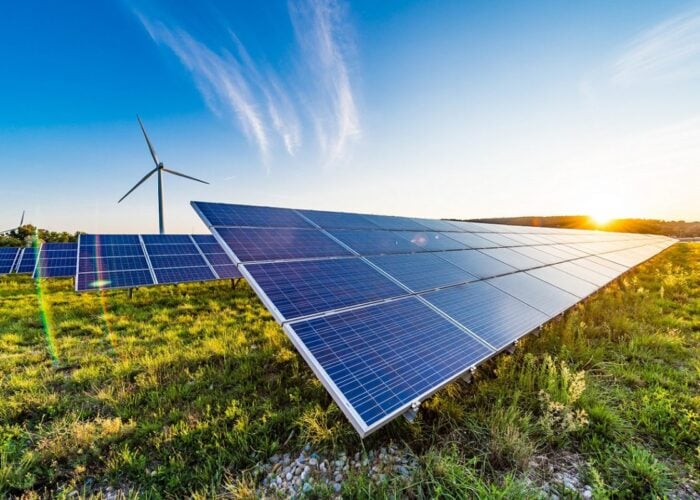
Investors are turning away from fossil fuels and shifting into renewables because of falling costs and climate targets, with US banks lagging behind their European and Asian counterparts
Machine learning techniques have been used in a study to boost the accuracy of renewables forecasts by up to 45%, helping improve grid operations in Australia.
The July 2021 episode of the Solar Media Podcast, sponsored by Honeywell, is now available to stream, as we delve into everything you need to know about recent polysilicon trade sanctions in the US.
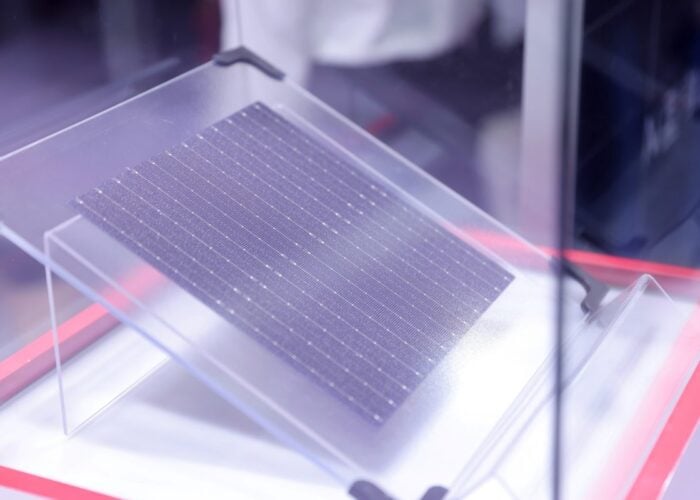
Finlay Colville, head of market research at PV Tech Research, explores the critical themes behind the solar industry’s transition from p-type to n-type cell production before previewing PV CellTech Online 2021.
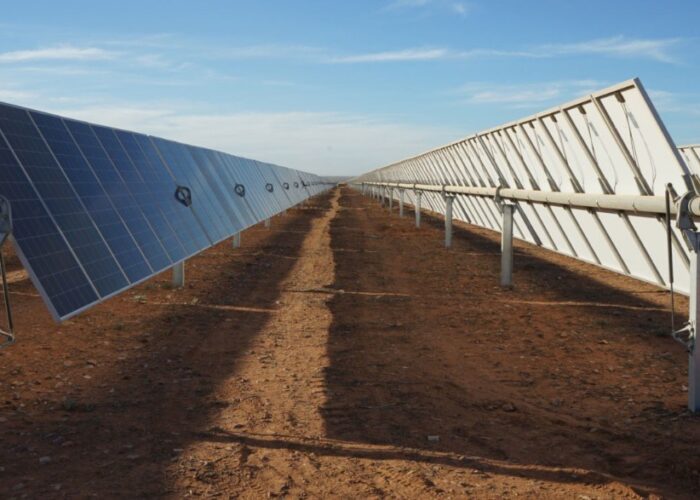
India government-owned NTPC Renewable Energy has been given approval by India’s Ministry of New and Renewable Energy (MNRE) to build a 4.75GW solar project in Gujarat, India.
Solar PV capacity in Asia Pacific could triple to 1,500GW by 2030, with China driving deployment and Indonesia set to be the region’s fastest-growing market, according to Wood Mackenzie.
A renewable energy hub consisting of up to 50GW of solar and wind generation for the production of green hydrogen is being planned for Western Australia.