Global electricity demand is growing faster than renewable energy supply and is driving an increase in power generation from fossil fuels.
This was the conclusion from a new report by the International Energy Agency (IEA), which showed a 5% rise in electricity demand in 2021, with nearly half of this met by fossil fuel generation, mostly from coal.
Try Premium for just $1
- Full premium access for the first month at only $1
- Converts to an annual rate after 30 days unless cancelled
- Cancel anytime during the trial period
Premium Benefits
- Expert industry analysis and interviews
- Digital access to PV Tech Power journal
- Exclusive event discounts
Or get the full Premium subscription right away
Or continue reading this article for free
Similarly, over the next two years, renewable energy generation is set to only meet half of new electricity demand, said the report, despite growing by 8% in 2021 and 6% in 2022.
The process is threatening to push CO2 emissions from the power sector to record levels in 2022 unless action is taken, said the report. CO2 emissions from the electricity sector are expected to rise by 3.5% in 2021 and by 2.5% in 2022, taking them to an all time high.
Meanwhile, global electricity demand is expected to rise by almost 5% in 2021 and 4% in 2022, according to the latest edition of the IEA’s Electricity Market Report released today. Much of this is driven by recovery from COVID-19, which saw demand drop by 1% in 2020.
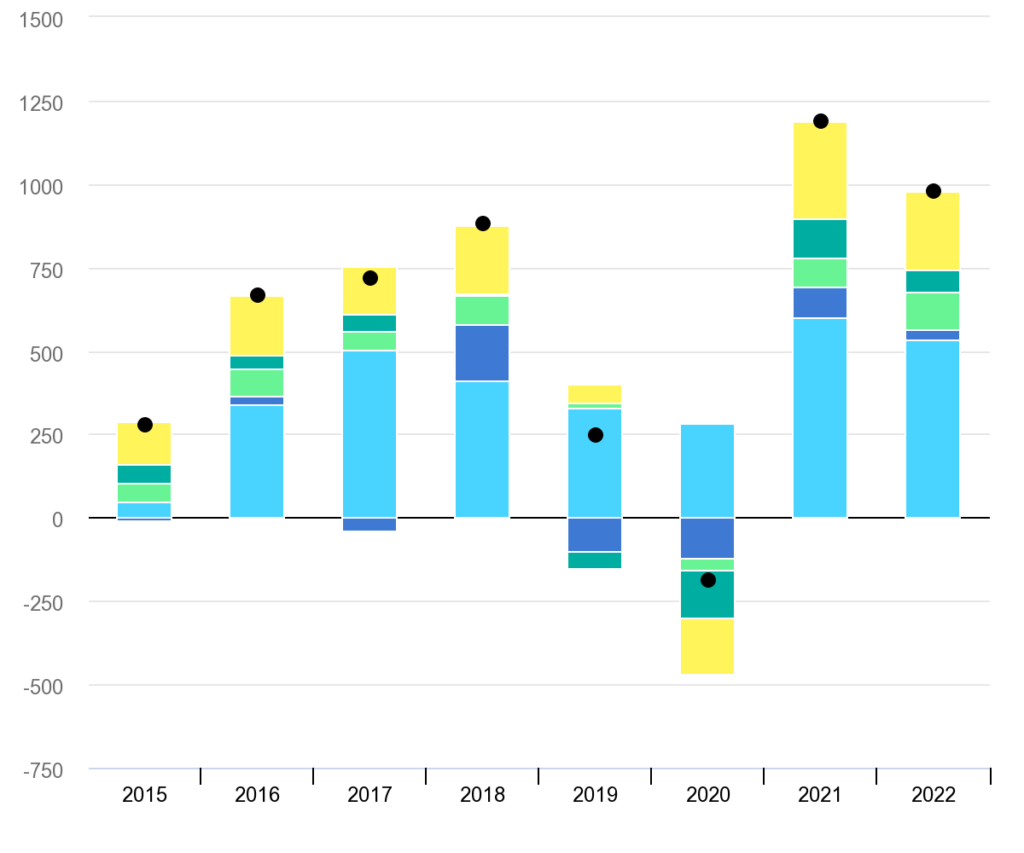
Most of the increase in demand is coming from the Asia Pacific region, primarily China and India, the IEA report said. More than half of growth in 2022 will occur in China, with India accounting for 9%.
Renewable energy growth has only exceeded demand growth in 2019 and 2020, but in those years this was largely due to slow or declining demand, suggesting that renewable capacity additions outpacing the rest of the electricity sector is still a while off.
“To shift to a sustainable trajectory, we need to massively step-up investment in clean energy technologies – especially renewables and energy efficiency,” said IEA director of energy markets and security Keisuke Sadamori.