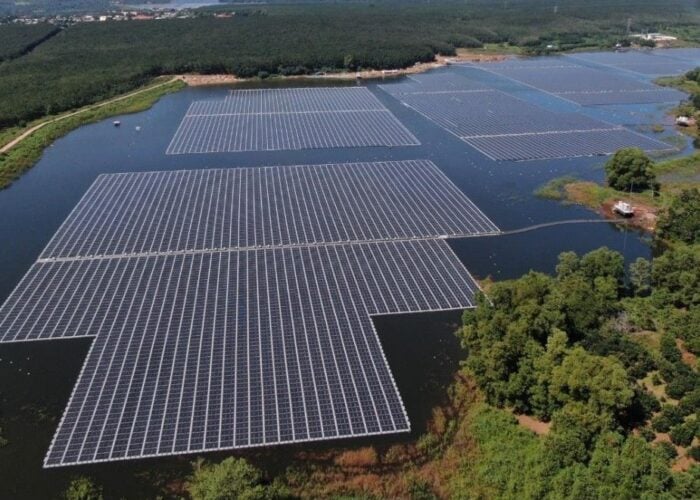
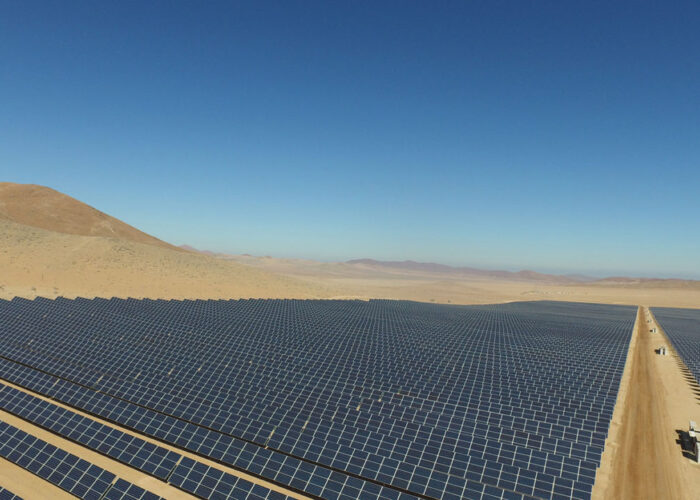
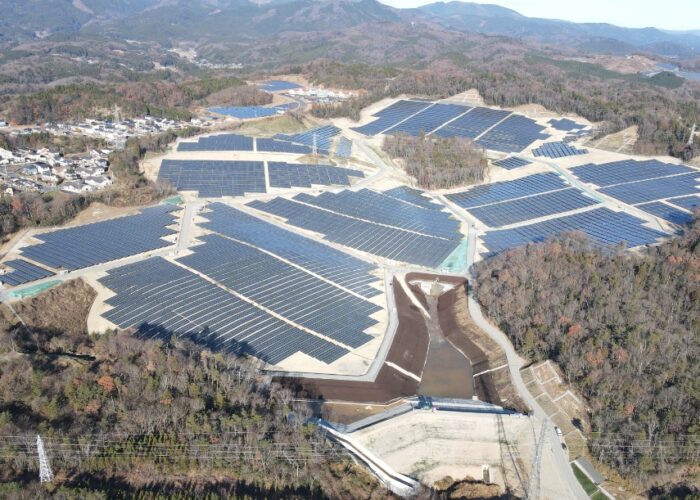
Vietnam remains one of the most attractive destinations of solar finance in South East Asia despite fears of market saturation, but access to capital in the region remains a key hurdle.
Construction risks may have escalated post-COVID and challenges around power purchase agreements (PPAs) remain, however banks in Asia remain committed to lending to solar projects.
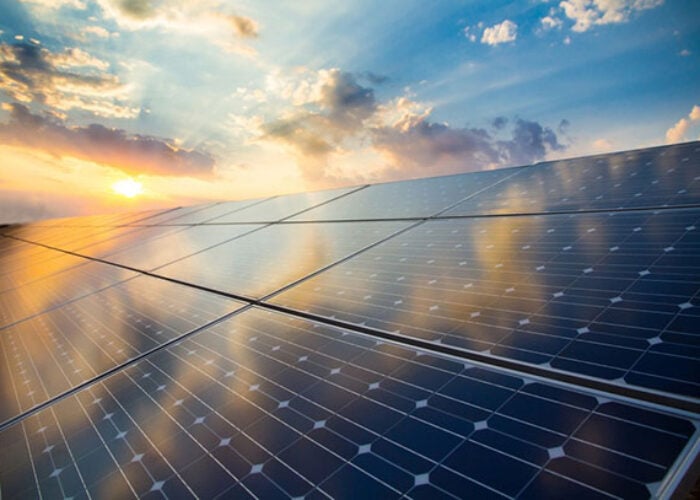
Less rigidity during wind speeds and greater susceptibility to cracks under load pressures have been found within oversized solar modules during a new study.
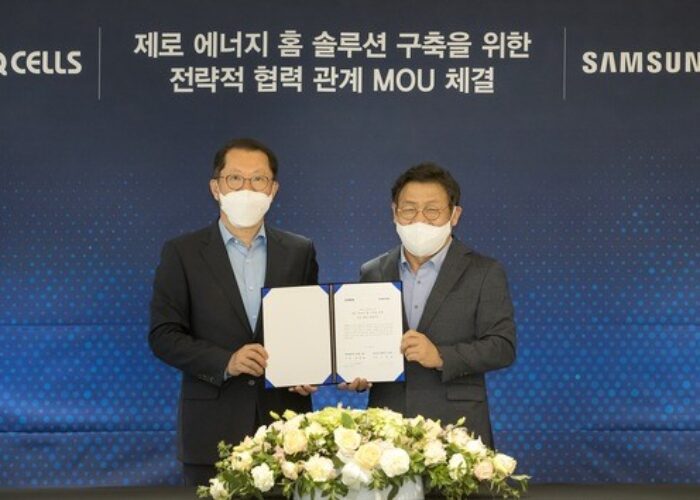
Module manufacturer Q CELLS has signed a memorandum of understanding (MOU) with electronics giant Samsung to develop a ‘zero energy homes’ strategy for global markets.
As it matures, the solar industry is moving beyond the use of Performance Ratios (PR) as the go-to performance metric for operational sites. Christopher West, head of central engineering - solar PV delivery unit at Statkraft, argues the case for PRs to be replaced by alternative, more evolved methods of assessment.
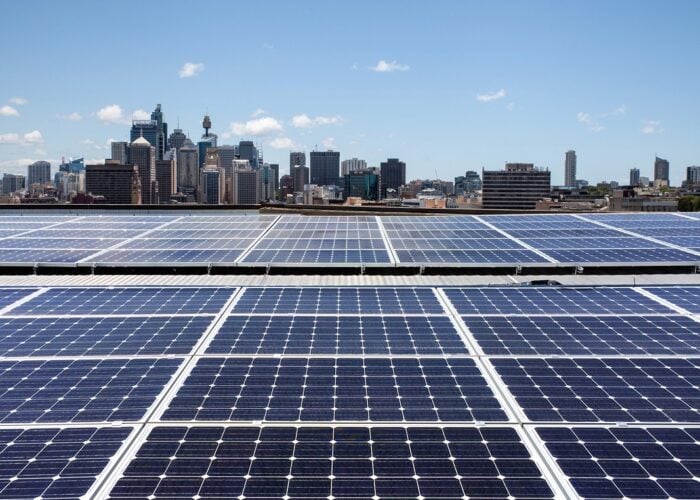
Australia’s electricity markets are undergoing a profound transformation from a centralised system of large fossil fuel plants towards an array of smaller-scale, widely dispersed solar and wind generators, grid-scale batteries and demand response, according to a new report from the Australian Energy Regulator.
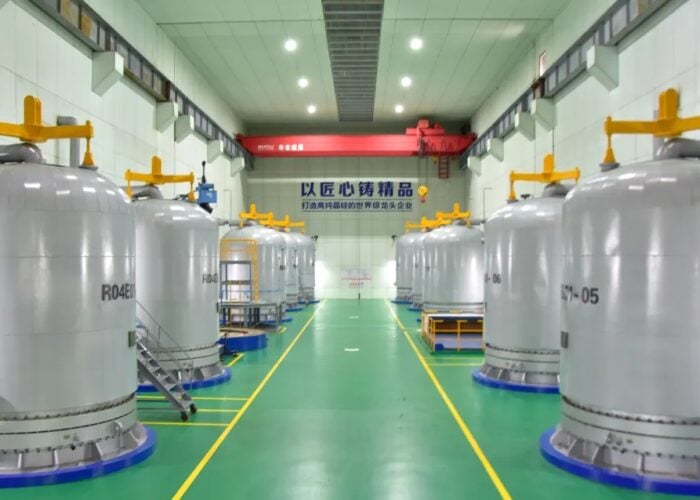
Chinese polysilicon supplier Tongwei Solar has signed an agreement with Leshan City, Sichuan Province to establish a 200,000 metric tonne (MT) polysilicon manufacturing plant.
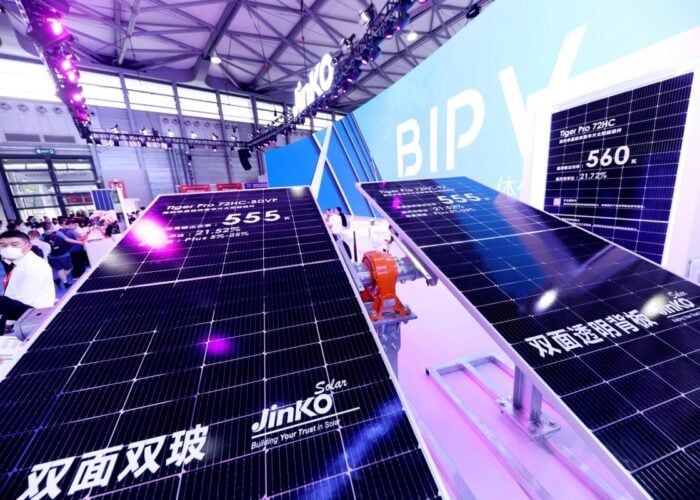
Reporting its Q1 2021 results last week, JinkoSolar provided a snapshot of the pressures solar module manufacturers have faced in the opening exchanges of the year by way of spiralling material and freight costs. Liam Stoker analyses how the company has responded, laying the groundwork for a return to normality towards the end of the year.