Russia’s invasion of Ukraine means that ensuring security of energy supply through the expansion of renewables should be a priority for policymakers, according to the CEO of German utility RWE.
Markus Krebber said the impact of the war is hitting the energy markets “with full force. Therefore, ensuring security of supply and diversifying fuel supplies are the top priorities for policymakers – particularly also through the expansion of renewables.”
Try Premium for just $1
- Full premium access for the first month at only $1
- Converts to an annual rate after 30 days unless cancelled
- Cancel anytime during the trial period
Premium Benefits
- Expert industry analysis and interviews
- Digital access to PV Tech Power journal
- Exclusive event discounts
Or get the full Premium subscription right away
Or continue reading this article for free
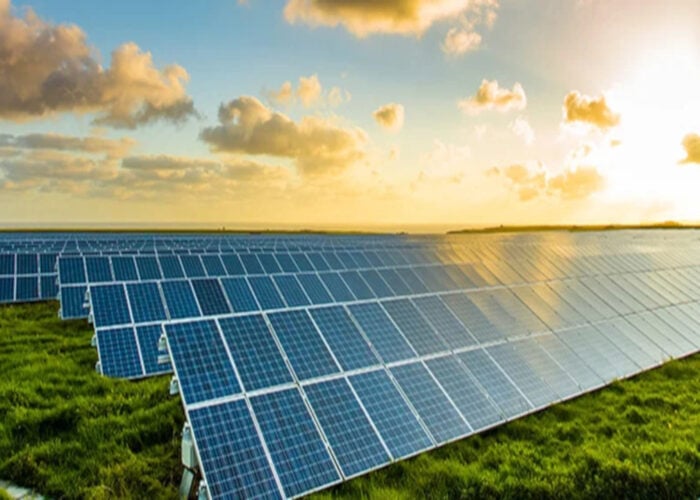
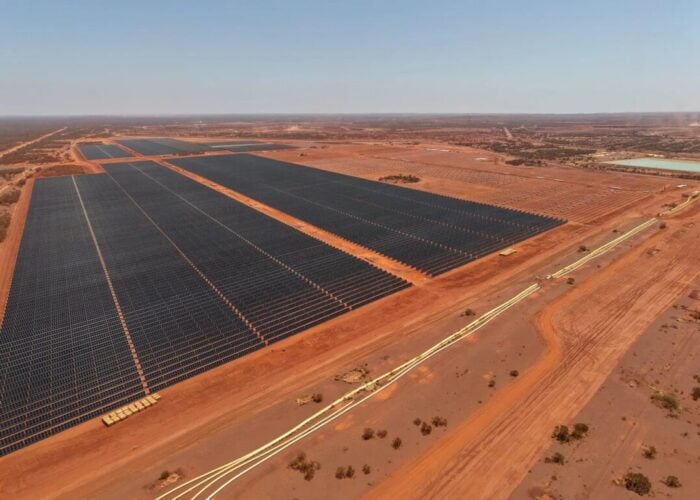
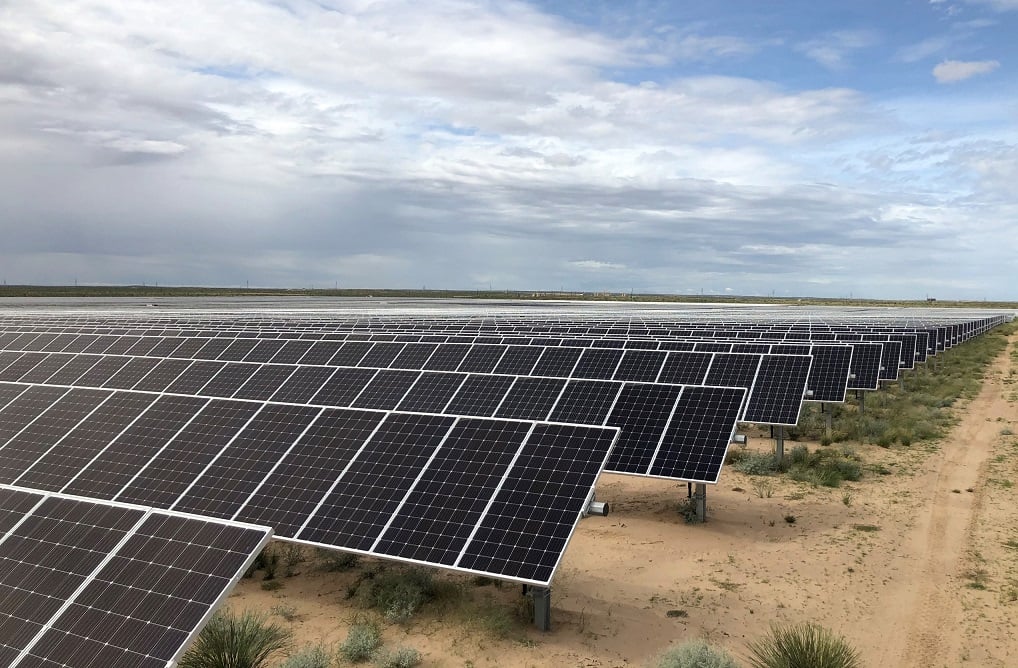
While RWE had 486MW of PV installed as of the end of 2021 – the majority of which is in Australia and the US – the company is currently developing 1.2GW of solar globally and is aiming to reach 8GW deployed by 2030.
Speaking during a conference call with investors, Krebber said that the current situation may result in the company speeding up its transformation. “An accelerated push for green energy is a very likely consequence of the current situation. We are further ramping up our own origination activities where possible.”
His comments come two weeks after Germany revealed it will bring forward plans for renewables to account for all the country’s electricity needs by 2035, while the European Union is looking to accelerate renewables deployment “at lightning speed” to reduce its reliance on Russian gas.
Reporting its 2021 results today, RWE revealed it lost around €400 million (US$439 million) in earnings caused by a winter storm in Texas that resulted in some of the company’s wind farms going offline for several days. It had sold forward a portion of the generation of these assets and therefore had to conduct short-term spot purchases in order to meet its supply obligation.
Consequently, RWE’s onshore wind and solar business saw its adjusted EBITDA fall from €523 million in 2020 to €258 million last year, however this was partially offset by the commissioning of new generation assets.
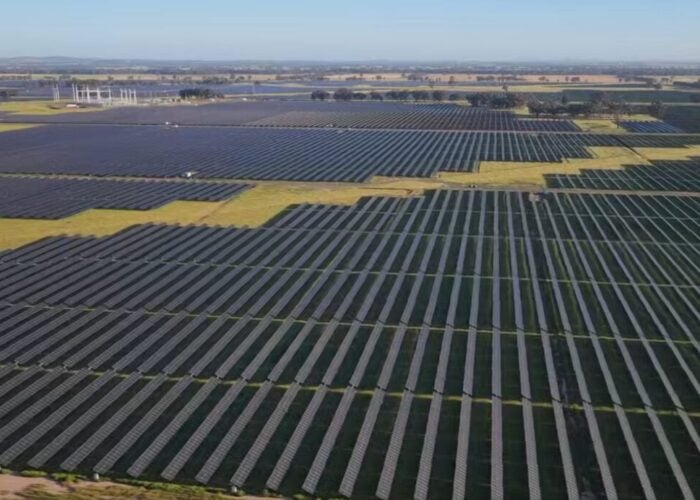
Among the new assets include the 249MW Limondale solar farm, which was connected to the grid in New South Wales, Australia, last year. Featuring 872,000 solar panels, the project represented a capital expenditure from RWE of around €330 million.
Other notable announcements from RWE in Q4 2021 included the formation of a joint venture with Greek utility PPC that will develop up to 2GW of solar in Greece and the sale of parts of EPC and O&M service provider Belectric to Czech utility CEZ.
RWE’s total adjusted EBITDA was up 11% year-on-year to €3.65 billion, while revenues increased 79% to €24.53 billion.
Thanks in part to the higher generation volumes due to the commissioning of new projects, RWE expects its onshore wind and solar business to post 2022 adjusted EBITDA of €650 – 800 million.