As 2022 comes to an end, PV Tech is looking back on the year in solar, reflecting on some of the biggest stories and trends of the last 12 months. Following Q1, Q2 and Q3, today’s review details domestic manufacturing plans and supply chain turbulence.
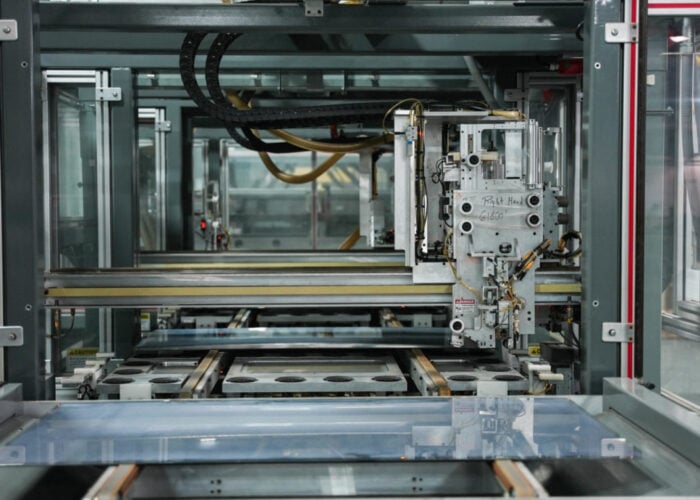
The head of Enel’s 3Sun Gigafactory says the company is in advanced discussions over ventures further upstream than solar cells to make a robust supply chain in the US and explains the advantages of bifacial HJT and tandem technology to be produced at its planned US manufacturing facility.
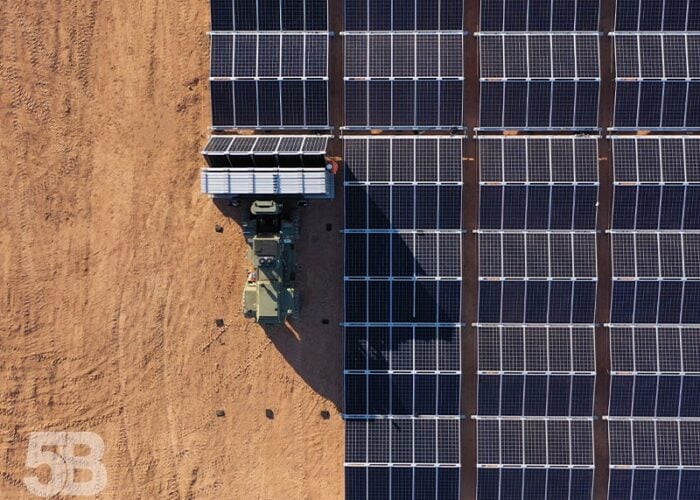
BP ventures, the investment platform of bp, has invested A$20 million (US$13.5 million) in Australian renewables company 5B to support the development and implementation of its 5B Maverick solar technology.
Lightsource bp has been given the green light to begin development on what it said will be Trinidad and Tobago’s first large-scale solar project, a 148MWp plant located across two sites.
As of today, less than 10% of the necessary solar and wind power needed for a 2050 global net zero scenario exists, whilst global electricity generation will need to more than triple to 80,000TWh, according to the 2022 BloombergNEF (BNEF) New Energy Outlook.
Renewables company CWP Global has signed a memorandum of understanding with the Government of Djibouti to develop a 10GW renewable and green hydrogen hub in Djibouti.
Solar PV capacity is expected to almost treble over the 2022-2027 period, growing by 1.5TW and will surpass coal as the largest source of power capacity worldwide, according to a report from the IEA.
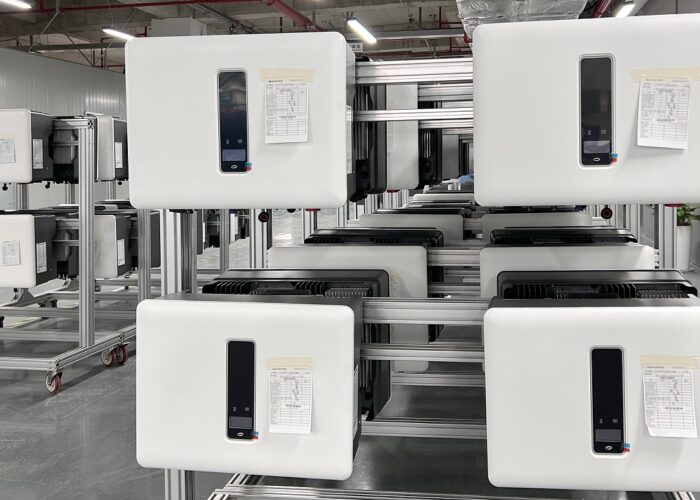
Newly launched solar inverter and solutions provider Solinteg has launched a range of new PV products in recent months as it expands its international presence and targets 2GW of production capacity next year, rising to 10GW in 2025.
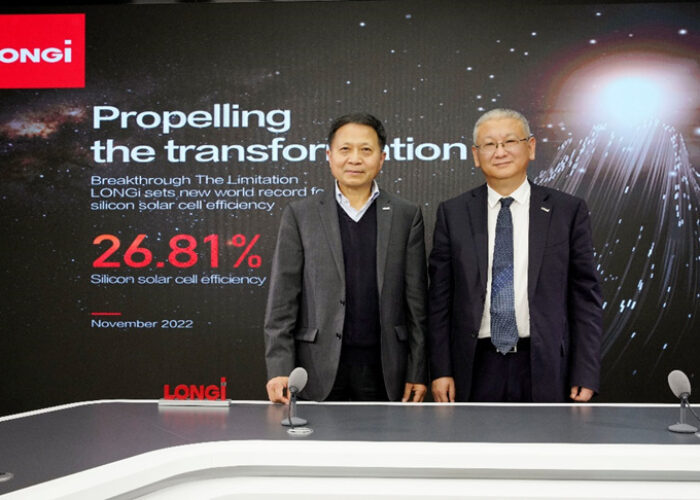
LONGi has announced that it has achieved a new world record efficiency of 26.81% for its HJT cells on full size silicon wafers in mass production, a figure certified by German institute ISFH.
RWE, the German renewable energy developer, will offer profit returns to municipalities where one of their wind or solar farms is located as part of an expansion of the German Renewable Energies Act (EEG).