The US Solar Energy Manufacturers for America (SEMA) coalition has reiterated its calls for an update to the Domestic Content tax credit for solar products.
The trade body, which represents several US-based, non-Chinese solar manufacturers, submitted comments for consideration to the secretary of the Treasury, Janet L. Yellen, and commissioner of Internal Revenue, Daniel Werfel, yesterday.
Try Premium for just $1
- Full premium access for the first month at only $1
- Converts to an annual rate after 30 days unless cancelled
- Cancel anytime during the trial period
Premium Benefits
- Expert industry analysis and interviews
- Digital access to PV Tech Power journal
- Exclusive event discounts
Or get the full Premium subscription right away
Or continue reading this article for free
The comments called for the inclusion of solar wafers in the domestic content bonus and the revision of the Treasury’s table of Manufactured Product Components (MPCs) to “recognise the individual value” of the production of each component for producing solar modules.
In a statement Mike Carr, CEO of SEMA, said: “The Biden Administration and Congress made a commitment to reshore the entire solar supply chain with the Inflation Reduction Act, but that will not be possible without updating the domestic content bonus.
“Recognising the fundamental purpose of the domestic content bonus is to drive demand for the output of US clean energy manufacturing investments and reshoring efforts, Treasury must incentivise US wafer production as part of implementing the domestic content bonus. The current guidance subverts congressional intent by ignoring components such as polysilicon and wafer.”
The domestic content bonus adds a 10% tax credit on top of the 30% Investment Tax Credit (ITC) scheme which was extended under the Inflation Reduction Act (IRA). To be eligible, products must currently be made with 45% “US-made” components, which is set to rise to 55% next year. The percentages are based on the cost of components within a module; as such, it is difficult to reach the threshold without a domestically made solar PV cell.
SEMA has previously called for the domestic content adder to include solar wafers in its calculations. Following Secretary Yellen’s visit to Beijing in April and her robust rhetoric calling for a “level playing field” for US solar, SEMA urged the government to take “aggressive” action to support the upstream supply chain in the domestic content bonus.
At the time, Carr said that polysilicon and wafer production accounts for “about half of the value of a solar module”, and that domestic content support would provide security to upstream US component producers.
In its comments yesterday, SEMA said: “The fact of the matter is that Chinese-headquartered or controlled companies’ ability to benefit from this bonus, while continuing to take advantage of their captive (and excess) wafer production overseas, to the detriment of US manufacturers, is counter to the intent of the IRA, both in letter and spirit.”
That global situation makes it particularly difficult to onshore upstream capacity in the US without direct support. Earlier this year, CEO of Daqo New Energy, a major Chinese polysilicon producer, posted a 71% decline in quarterly income and said that wafer manufacturers were facing “significant pressure from accumulated inventories and negative margins”.
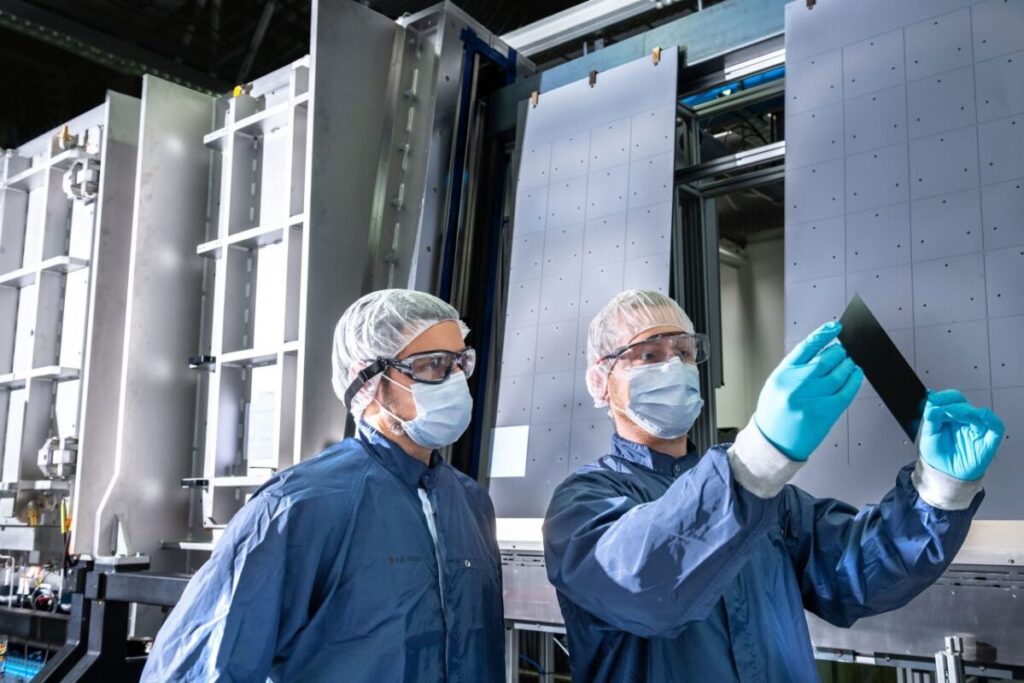
However, in an interview with PV Tech Premium, Carr was optimistic about the ability for the US to onshore wafer capacity if the right conditions were met. The CEO of German solar wafer manufacturer Nexwafe made the case for increased support for US wafer manufacturers in a guest blog for PV Tech earlier this month. The company is planning to expand a 6GW production facility in the US.
As it stands, there are a couple of other significant plans for wafer capacity in the US: one from Norwegian manufacturer NorSun, which is building a 5GW ingot and wafer production facility in Oklahoma, and Hanwha Qcells’ vertically-integrated manufacturing hub in Georgia.
In addition to wafers, SEMA called for:
•”Removing non-strategic MPCs from the table;
•Standardising the value for MPCs into a single column/table to create a generalised, predictable approach that can be easily implemented across all project types, and that can be relied upon for making significant investment decisions in manufacturing; and
•Ensuring costs are representative of US manufacturing for capital and operating expenses to achieve the intended purpose of the statute.”