US electrical balance-of-system (eBOS) manufacturer Shoals posted record quarterly revenue of US$163.4 million, driving net income of US$12.1 million, in the second quarter of 2026.
The net income is up from a net loss of US$0.3 million in the first quarter of the year, marking a return to profitability. Many of the second quarter financial metrics are also up year-on-year, with revenue increasing 47.4% since the second quarter of 2025, while gross profit of US$49.5 million is up from US$41.2 million in 2025.
Try Premium for just $1
- Full premium access for the first month at only $1
- Converts to an annual rate after 30 days unless cancelled
- Cancel anytime during the trial period
Premium Benefits
- Expert industry analysis and interviews
- Digital access to PV Tech Power journal
- Exclusive event discounts
Or get the full Premium subscription right away
Or continue reading this article for free
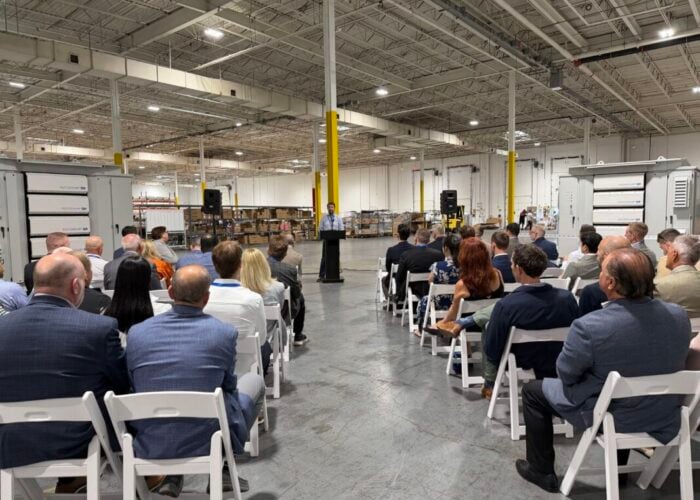
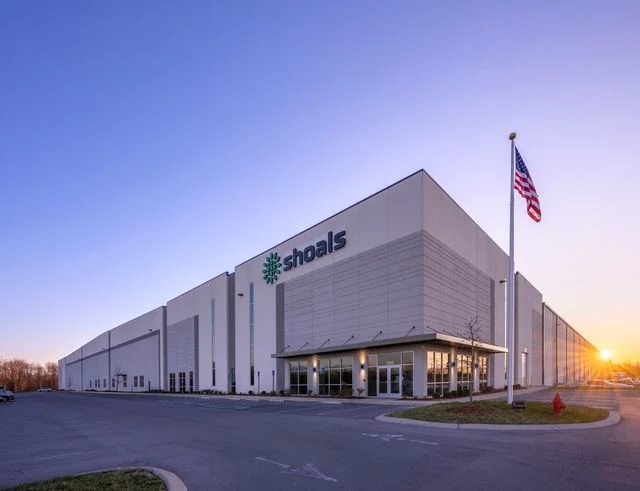
“The market remains resilient as evidenced by our record backlog and awarded orders of US$801.4 million,” said Shoals CEO Brandon Moss, making reference to the company’s start of commercial operations at its ‘mega facility’ in Tennessee in May. “We have completed the move into our new facility and are steadily making progress towards improving productivity.”
The site consists of the company’s three existing manufacturing facilities, and Shoals said it would “significantly” expand its production capacity in the coming years. The company has reported significant demand for its products, with its record backlog in the second quarter of this year marking the fifth consecutive quarter that the company has posted a record backlog figure; in the second quarter of 2025, Shoals posted a backlog of US$671.3 million, meaning the company has added more than US$100 million to its backlog in the last year.
Looking ahead, Shoals has revised its forecast for the rest of the year upwards. The company now expects full-year revenue to be US$600-640 million by the end of 2026, up from a forecast of US$560-600 million made in February of this year, alongside the publication of its 2025 year-end financial results. The company’s full-year revenue in 2025 was US$475.3 million, up 19% from the year prior, showing a strong trend for the company’s financial performance.
The graph above shows how Shoals’ profits and expenses have changed in the last year and a half, and how this has affected net profits and losses. During periods of falling net profits, or outright net losses, such as the third quarter of 2025 and the first quarter of 2026, the company was dealing with expenses that were absent from the balance sheet in the second quarter of 2026.
For instance, in the third quarter of 2025, the company posted US$7 million in losses from the sale of assets, while in the first quarter of this year, Shoals paid US$5.3 million in litigation expenses. Neither of these components made an impact in Shoals’ most recent financial results, driving a return to net profitability not seen since the second quarter of 2025.
Shoals’ legal battles
The litigation expenses, in particular, relate to a legal dispute with Italian cabling manufacturer Prysmian, stemming from a court case filed by Shoals in Tennessee in October 2023, in which Prysmian sold the company “defective” wires between 2019 and 2022.
While this case is ongoing, this triggered a 2024 complaint by a Shoals shareholder that Shoals had made “false and misleading statements and omissions” as to the financial impact of the allegedly faulty Prysmian wiring on the company’s financial performance.
In May 2026, a Tennessee district court ruled that Shoals would have to pay US$70 million in damages, and the timing of this ruling explains the appearance of litigation fees in Shoals’ balance sheet for the first quarter of 2026. The vast majority of these fees are covered by the company’s insurance, leaving Shoals to pay the remaining US$5.3 million. A court hearing for final approval of this fine is scheduled for September 2026.
Legal disputes such as these have been a common occurrence in recent years for Shoals, with North Carolina-based Voltage Energy a common opponent. Shoals and Voltage have been involved in legal disputes pertaining to patent infringement for several years, and in July, the US International Trade Commission (ITC) found Voltage to be in violation of two patents owned by Shoals, and prohibited the import of its LYNX trunk bus to the US.