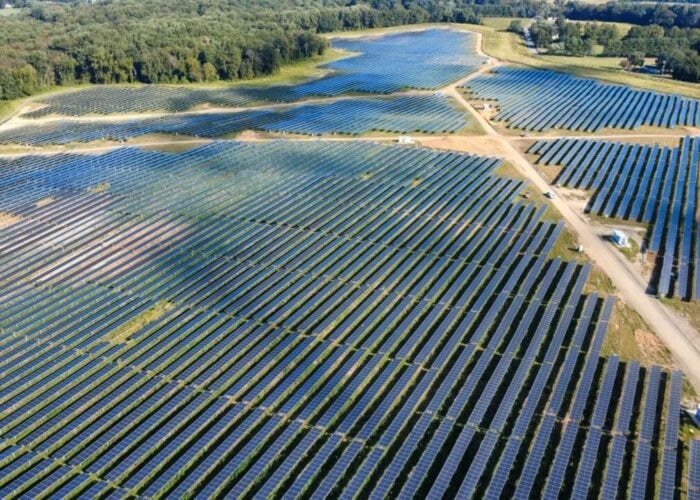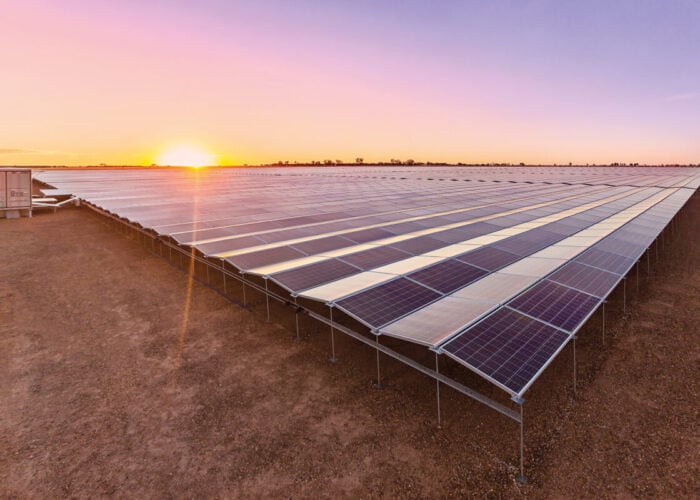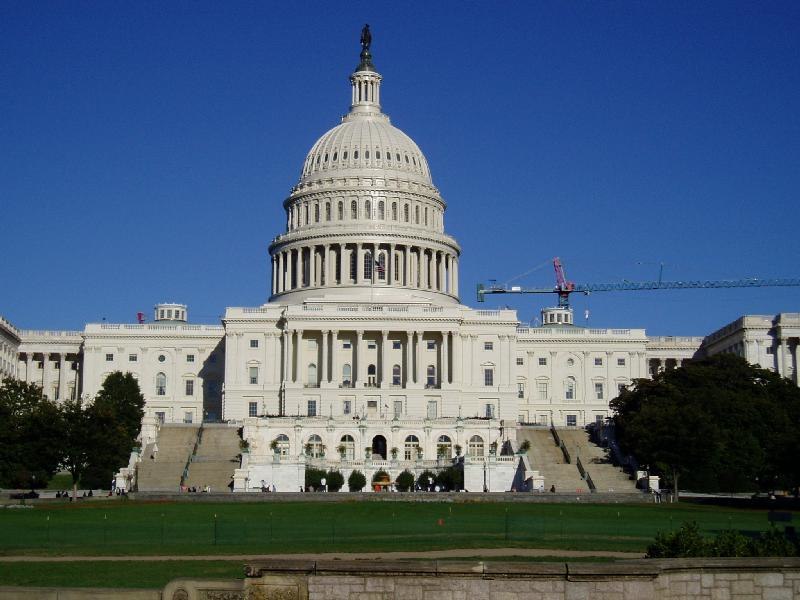
A two-year extension of the investment tax credit (ITC) for solar systems as well as new funding for energy storage research has been included in the US’ wide-reaching pandemic relief package that was approved by Congress on Monday evening.
Under the legislation, the solar ITC will remain at 26% for projects that begin construction in 2021 and 2022, step down to 22% in 2023 and then drop to 10% in 2024 for commercial projects, when the residential credit ends completely. Having fallen from the previous 30% rate in January, the credit was originally set to drop to 22% next year.
Try Premium for just $1
- Full premium access for the first month at only $1
- Converts to an annual rate after 30 days unless cancelled
- Cancel anytime during the trial period
Premium Benefits
- Expert industry analysis and interviews
- Digital access to PV Tech Power journal
- Exclusive event discounts
Or get the full Premium subscription right away
Or continue reading this article for free
The US$900 billion COVID package also includes funding for distributed energy deployment as well as support to provide better access to federal lands for renewable projects. The 5,593-page legislation – which is said to be the longest bill ever passed by Congress – is soon expected to be signed into law by President Trump.
An extension of the ITC was among the policy priorities put forward by the Solar Energy Industries Association (SEIA) following last month’s presidential election. Abigail Ross Hopper, CEO of the trade body, said in a statement yesterday: “Over the next few years, we have an opportunity to build a stronger, more reliable and more equitable American energy economy, and the action Congress is taking today is a helpful down payment.”
She added that SEIA will work to make ITC benefits available as a direct payment to augment solar energy growth and called for adequate funding to support programmes such as SolarAPP, which expedites solar project permitting. “There is bipartisan consensus on many of these issues, and we look forward to working with the incoming administration and the 117th Congress on future pro-solar policies even as we are grateful to this Congress for their actions today.”
The legislation also includes the Better Energy Storage Technology (BEST) Act, which authorises US$1 billion over five years for federal innovation investments in energy storage technology research, development and demonstration. According to the US Energy Storage Association (ESA), the act establishes a new competitive grant programme for states, utilities and companies to deploy storage in a variety of applications.
ESA CEO Kelly Speakes-Backman said the act's inclusion “is further proof of the bipartisan, bicameral support for energy storage to improve grid reliability and flexibility”, adding: “Congress has recognised the critical role of energy storage in building a clean energy future.”
As well as boosts for solar and storage, the emergency relief measures also include a 30% investment tax credit for offshore wind projects that start construction by 2025 and a one-year extension of the production tax credit for wind power. These policies “will help get people back to work, accelerating our economic recovery and achieving greenhouse gas emissions reductions”, said Gregory Wetstone, president and CEO of the American Council on Renewable Energy.
“With 13% of the clean energy workforce out of a job this holiday season due to COVID-19, we are grateful that lawmakers included commonsense emergency relief measures for the renewable sector in this package.”