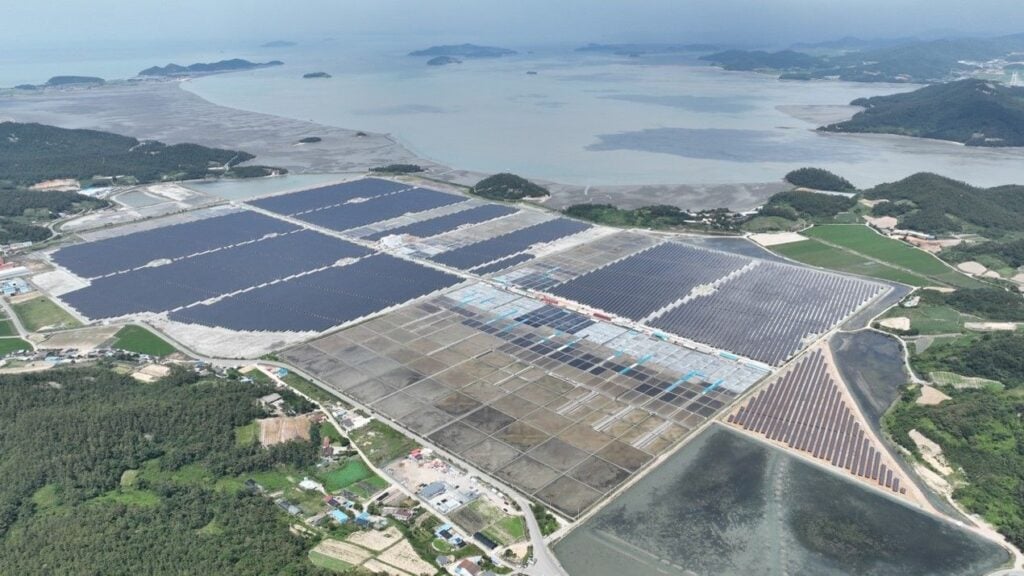
South Korea has announced plans to almost triple its operational renewable energy capacity from 37GW today to 100GW by the end of the decade.
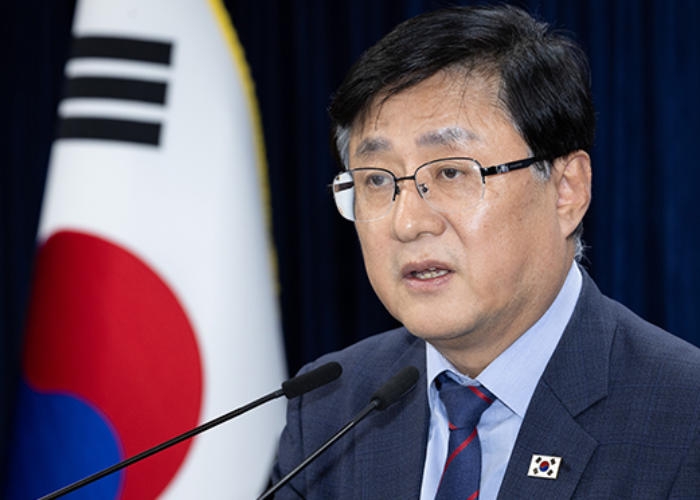
The plans were presented by Kim Seong-hwan, minister of climate, energy and environment, to the government yesterday. Eunhae Jeong, director general for international affairs at the Ministry of Climate, Energy and Environment, said that the plan would aim for renewable energy to account for 20% of the country’s electricity generation by 2030, up from just 10.8%—including solar, wind, hydropower and biofuels—as of 2025.
Try Premium for just $1
- Full premium access for the first month at only $1
- Converts to an annual rate after 30 days unless cancelled
- Cancel anytime during the trial period
Premium Benefits
- Expert industry analysis and interviews
- Digital access to PV Tech Power journal
- Exclusive event discounts
Or get the full Premium subscription right away
Or continue reading this article for free
“We will build an energy system that will not be shaken by external shocks such as the Middle East war,” said Kim.
The conflict has significantly disrupted fossil fuel supply chains, affecting countries that are reliant on fossil fuels to meet energy demand. Last year, gas and coal collectively accounted for 55.2% of the country’s energy mix, and this week’s plan is the government’s latest attempt to shift the South Korean energy mix towards renewable energy, following the launch of a government tender for 2.8GW of new renewable power capacity in 2024.
“We will leap into major green manufacturing powerhouse by securing energy independence, carbon neutrality and industrial competitiveness at the same time,” added Kim. In 2025, the South Korean Ministry of Economy and Finance unveiled plans to invest US$22.9 million tin solar cell and module research, as part of this “energy independence” goal.
Kim’s latest proposal builds on the publication of the 11th Basic Plan for Long-Term Electricity Supply and Demand, which was published last year and set a target of increasing South Korea’s operational renewable energy capacity to 121.9GW by 2038.
While the government did not specify targets for individual renewable energy technologies by 2030, the plan amounts to a reshaping of the entire energy mix. In addition to the presumed installation of new solar and wind capacity, the government plans to phase out 60 coal plants that are currently in operation by 2040, and Eunhae specified that “the power system [will be] switched from centralised to decentralised” through the greater integration of energy storage systems (ESS) into the energy mix.
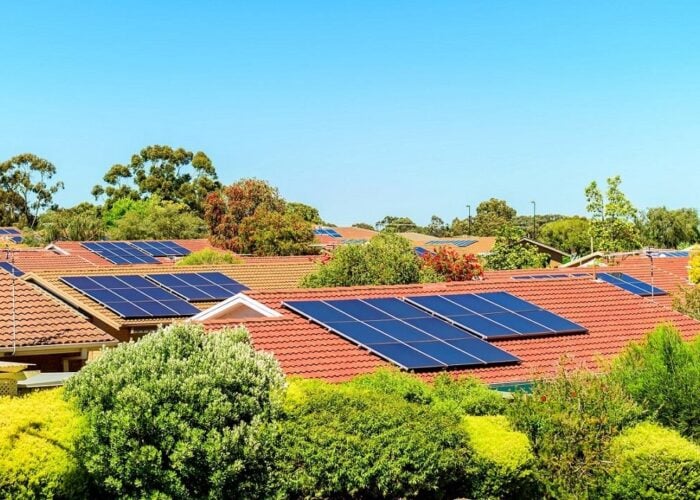
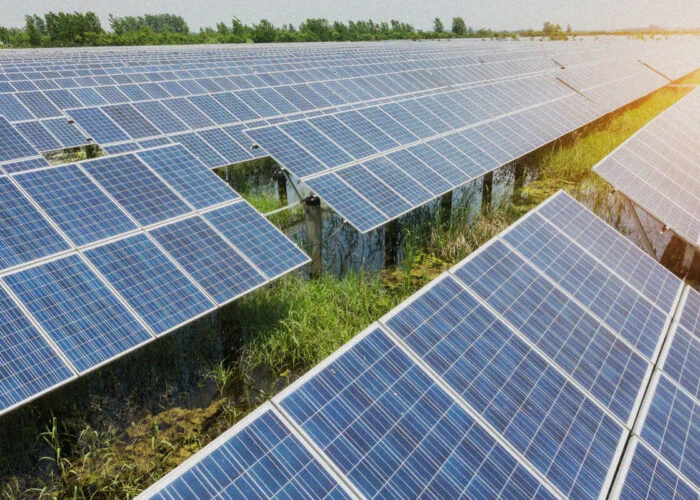
“Solar power expands through site diversification such as industrial complex roof type, agricultural type and water floating type,” said Eunhae, who added that the government would “expand flexible resources such as ESS and pumping power generation, and build a decentralised power grid that can be produced and consumed in the region”.