US-based PV manufacturer Suniva is to open a new solar cell manufacturing facility in South Carolina.
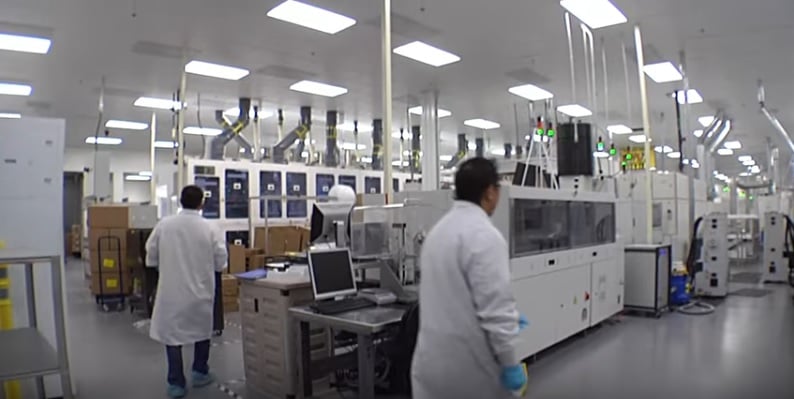
The 4.5GW facility in Laurens will join the company’s existing 1GW facility in Atlanta, giving Suniva one of the largest cell manufacturing footprints in the US.
Try Premium for just $1
- Full premium access for the first month at only $1
- Converts to an annual rate after 30 days unless cancelled
- Cancel anytime during the trial period
Premium Benefits
- Expert industry analysis and interviews
- Digital access to PV Tech Power journal
- Exclusive event discounts
Or get the full Premium subscription right away
Or continue reading this article for free
It marks the latest step in the company’s revival, following its 2017 bankruptcy and the return to cell production in 2024.
“Solar energy is the fastest and most economical way to grow our nation’s energy supply,” said Tony Etnyre, Suniva CEO. “Our expansion means that domestically produced renewable energy will do more than ever to secure America’s energy future.
Suniva will invest US$350 million in the new facility, which will cover 6,000 square metres and create over 550 new jobs, the company said.
The facility will produce monocrystalline silicon solar cells, which Suniva sells to module producers on a merchant basis. The company has forged a partnership with wafer producer Corning and module producer Heliene for a fully ‘made in America’ module.
Although module production capacity in the US has ballooned in recent years courtesy of the Biden-era Inflation Reduction Act (IRA), cell capacity has lagged behind.
Apart from Suniva’s existing cell capacity, companies such as Qcells and ES Foundry have taken the lead in developing new cell facilities, while start-up Talon PV plans to open a 4GW facility producing tunnel oxide passivated contact (TOPCon) cells in Texas.
Moustafa Ramadan, head of PV Tech Market Research, said Suniva’s announcement marks a significant milestone in the ongoing effort to strengthen the US solar manufacturing ecosystem.
“As the nation works to address the disparity between cell and module production capacities, this new 4.5GW cell factory is poised to play a pivotal role in bridging the gap. Current projections indicate that by 2027, US cell capacity will reach just over 30GW, while module capacity is expected to surpass 70GW, highlighting the need for strategic investments in cell production to balance the value chain,” he said.
“Moreover, the growing emphasis on supply chain verification and traceability has become increasingly critical, especially as over 90% of the global module and cell supply to the US faces restrictions. Suniva’s initiative not only aligns with the push for domestic manufacturing but also underscores the importance of building a resilient, transparent supply chain.
“By focusing on expanding cell production, the US is taking a logical and necessary step toward fortifying its solar manufacturing base, ensuring greater self-reliance and compliance with evolving trade and regulatory standards,” Ramadan added.
Further detailed insights into the US solar supply chain are available in the latest edition of PV Tech Market Research’s ‘PV manufacturing and technology quarterly’ report. The Q1 edition of the definitive benchmarking resource for the PV technology value chain is out now and available here.