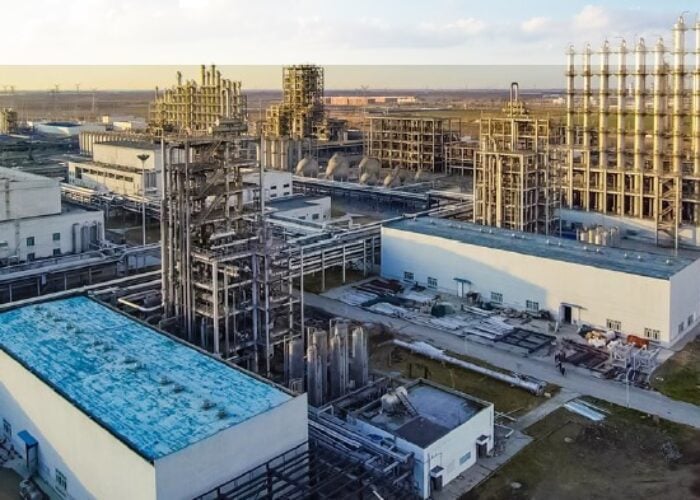
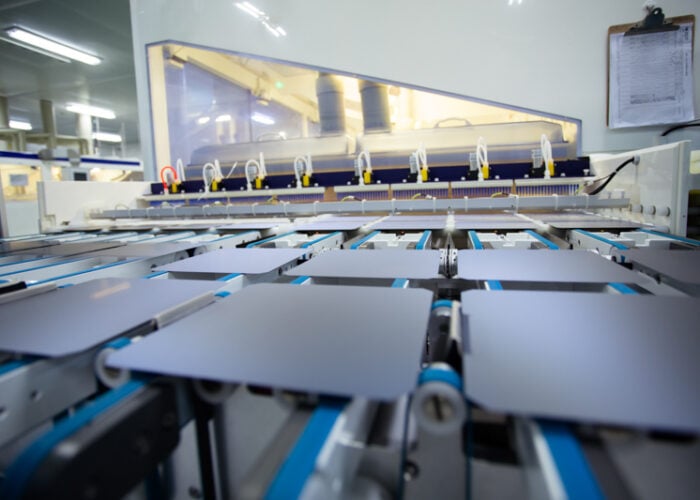
Polysilicon producer Daqo New Energy’s has signed a long-term supply agreement for high-purity mono-grade polysilicon for a total amount of 30,000MT between 2022 and end of 2026, essentially selling out its inventory for this year.
India must scale up investment in the large-scale domestic manufacture of upstream PV products to avoid the risk of logistics and commodity price fluctuations posed by its current high levels of solar imports, new research has suggested.
China is expected to add 83 – 99GW of PV capacity every year from 2022 to 2025, while Europe is now its largest export market for solar products, according to a China Photovoltaic Industry Association (CPIA) report on the outlook for the PV industry over the next few years.
Renewable energy trade associations have hit out at a new tariff investigation request from a US solar manufacturer, warning that the filings could derail efforts to tackle the climate crisis and slow economic growth.
Auxin Solar has asked the US Department of Commerce to investigate whether Southeast Asia-based companies are circumventing US anti-dumping and countervailing duty (AD/CVD) orders on cells and modules from China.
Finlay Colville, head of market research at Solar Media, ranks the top 50 module suppliers in the PV industry today, using the proprietary methodology developed at PV Tech, on the back of analysing several hundred companies supplying PV modules over the past 15 years.
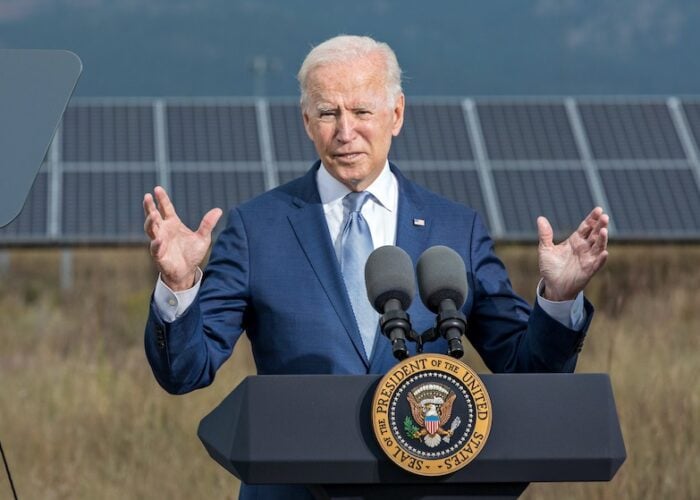
Section 201 tariffs on solar imports to the US will be extended by four years, however bifacial panels will continue to be exempt and the tariff rate quota for cell imports doubled.
LONGi has raised its wafer prices for a second time in just over a month as hopes of falling costs fade and China shuts down for a week for its annual Luna New Year holiday.