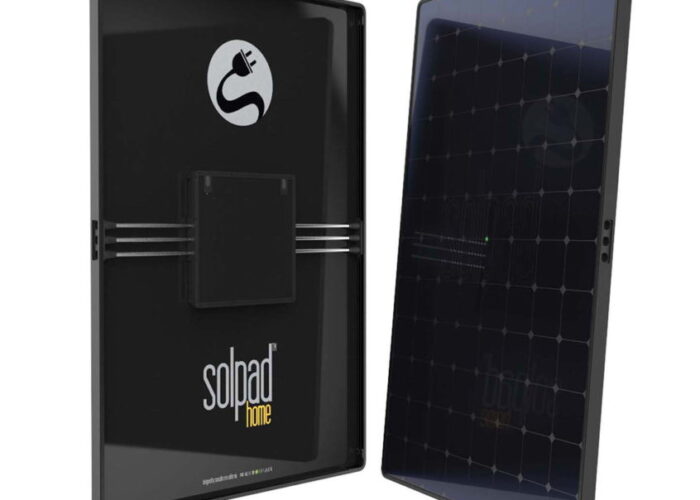
A US-based start-up SunCulture Solar has come out of stealth mode and launched a potentially game-changing fully-integrated residential and off-grid solar system that really is ‘plug and play.’
A US-based start-up SunCulture Solar Inc. has come out of stealth mode and launched a potentially game-changing fully-integrated residential and off-grid solar system. ‘SolPad’ Home combines multiple patented technologies into a single device, including breakthrough solid-state battery technology, an innovative inverter system and intelligent software to enable real ‘plug and play.’ This is the only PV system in existence that provides complete integration of energy storage, management and high-efficiency solar cells.
The FUD (fear, uncertainty and doubt) over the solar industry entering it second major overcapacity cycle is being replaced by a focus on how much overcapacity verses end market demand exists, especially in 2017 and therefore how low will PV module ASP’s go?
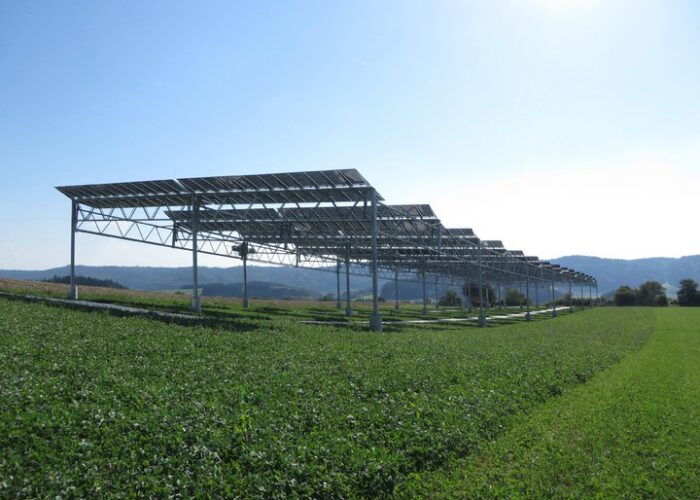
Fraunhofer ISE said it was spearheading the largest research project (APV-Resola) in Germany to establish whether the dual use of land for the production of electricity using photovoltaic (PV) modules can be commercially viable with a range of crops grown on the same land.
The US has once again come out on top after the World Trade Organisation (WTO) rejected a challenge by India in favour of its domestic content requirements (DCR).
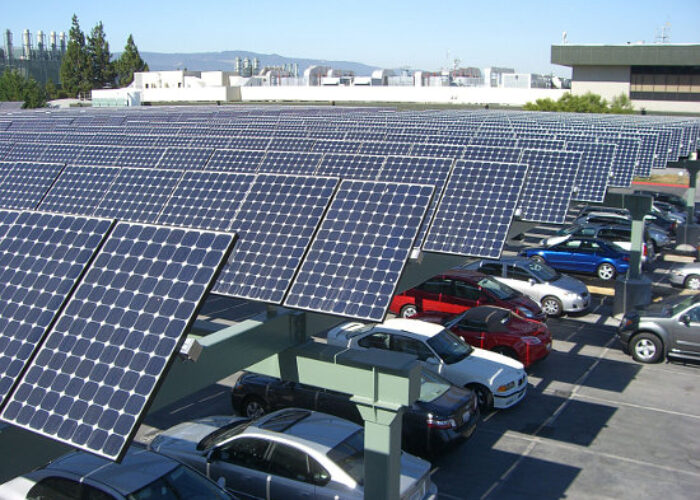
According to Bloomberg New Energy Finance (BNEF) US residential solar installations are expected to increase by 21% in 2016, yet growth in 2017 is expected to be a tepid 0.3%.
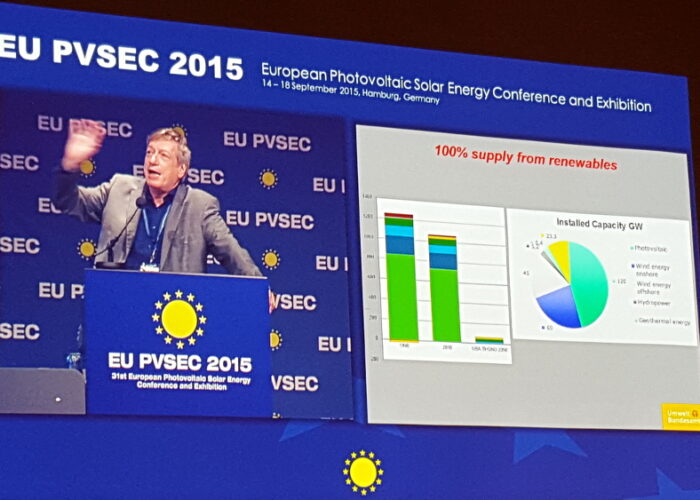
The 33rd European Photovoltaic Solar Energy Conference and Exhibition (EU PVSEC) has turned away from co-locating with Intersolar Europe in June, 2016 and has returned to a September 2017 slot and be held in Amsterdam.