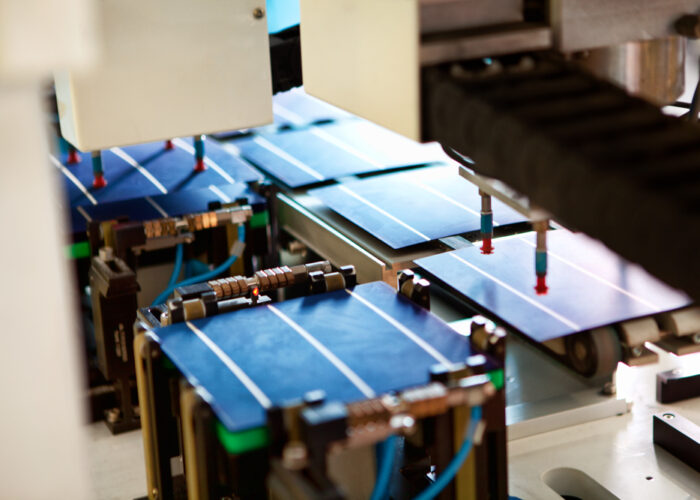
‘Silicon Module Super League’ (SMSL) leader Trina Solar said it had achieved an average efficiency of 21.1% for its industrially-produced P-type monocrystalline cells (156 x 156 mm2) with Passivated Emitter and Rear Cell (PERC) technology at its ‘golden’ pilot production line.
Module manufacturer Seraphim Solar is looking for fresh locations for future manufacturing plants and praises Mexico as both and end-market and a potential production centre.
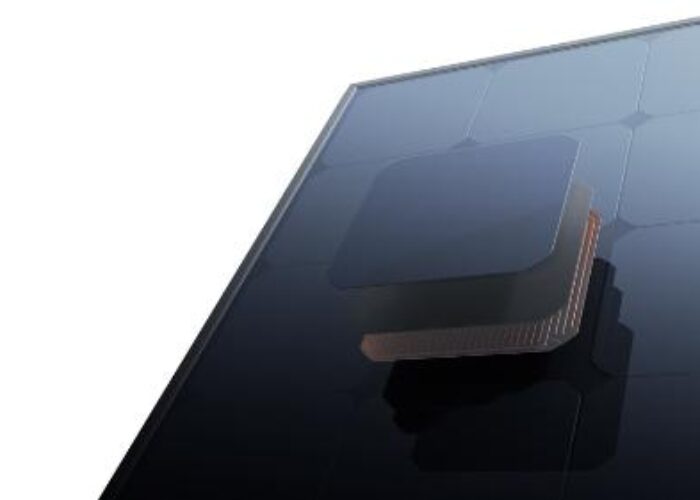
Major Photovoltaics Energy Provider (PVEP) SunPower has achieved has set a new PV module conversion efficiency record of 24.1%, using laboratory made IBC-based solar cells that has been verified by the US Department of Energy's National Renewable Energy Laboratory (NREL).
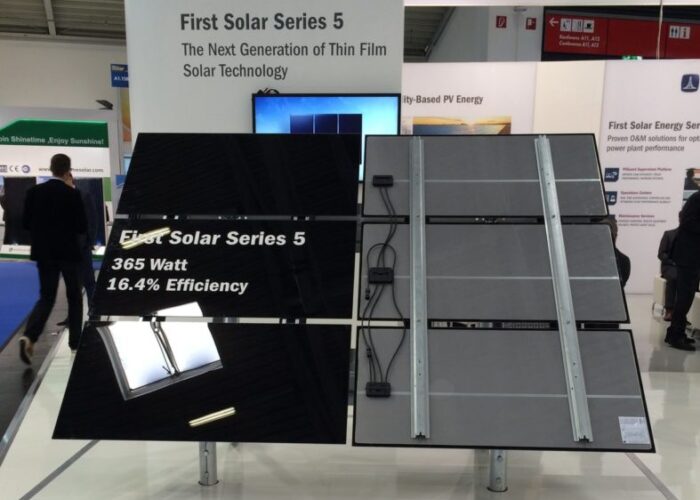
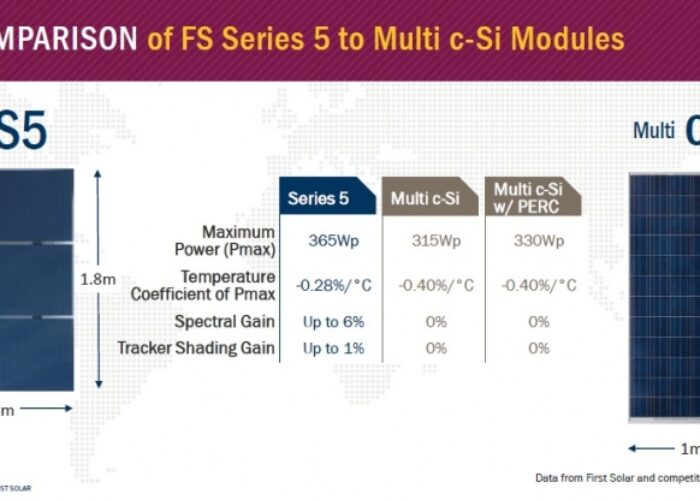
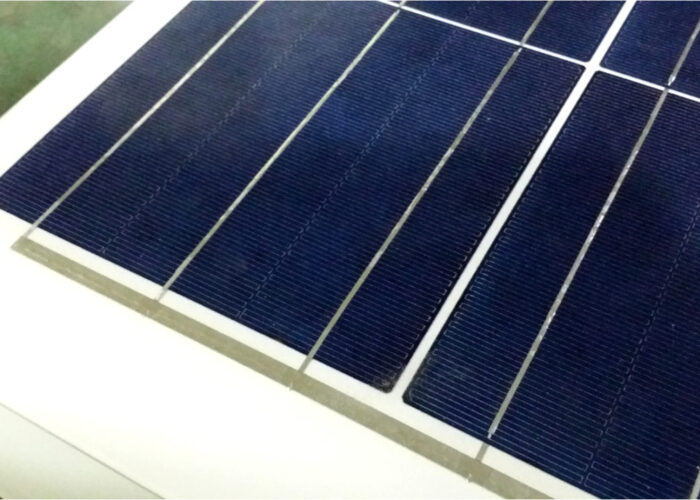
Leading thin-film module manufacuturer First Solar revealed its new-to-the-market and highly-anticipated Series 5 thin-film PV module at Intersolar last week.
HIUV New Materials Co has successfully developed a high reflection rate encapsulant ‘S201W’ for conventional c-Si PV modules. By adding high quality TiO2 (Titanium Dioxide) and using pre-crosslinking technology, S201W is porcelain white with above 90% high light reflection rate.
Leading ‘Silicon Module Super league’ (SMSL) member Trina Solar has said its well respected chief financial officer, Ms. Teresa Tan has resigned to ‘pursue other personal interests.’