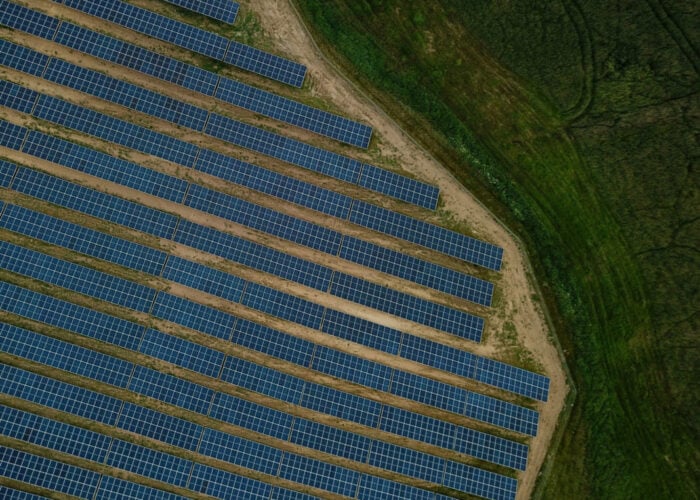
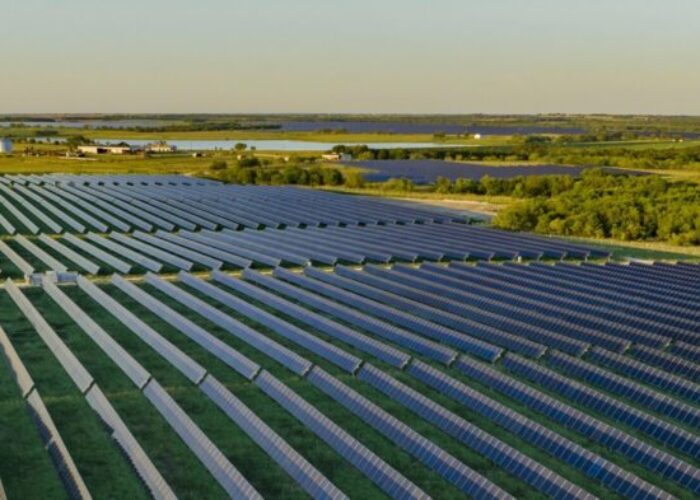
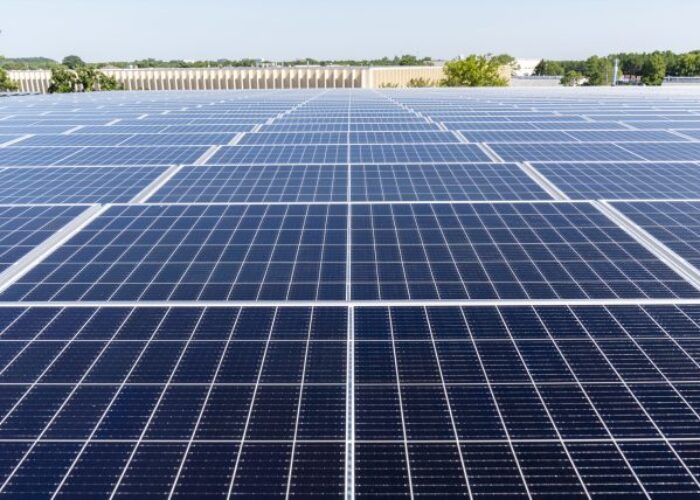
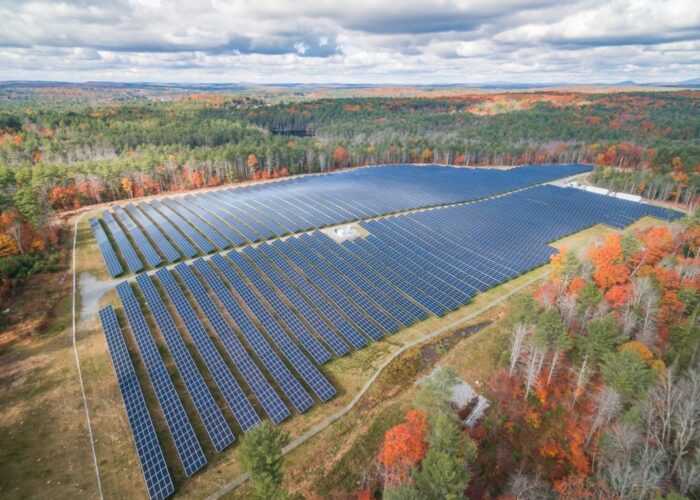
2023 is on track to be a “record year” for solar PV installations in the US; through August, 8.4GW of utility-scale solar was installed, 50% more than the equivalent point in 2022. In those deployments, some trends have emerged.
US solar manufacturer Toledo Solar has settled its lawsuit with cadmium-telluride (CadTel) thin film solar manufacturer First Solar for an undisclosed amount.
US thin-film cadmium telluride (CadTel) solar PV manufacturer First Solar has broken ground on a new, 3.5GW fully integrated manufacturing plant in Iberia Parish, Louisiana.
Solar inverter producer SolarEdge has unveiled a new PV energy optimisation software system aimed at business owners and the corporate & industrial (C&I) solar sector.
US community solar developer Nexamp has signed a 1.5GW module supply deal with Canadian PV manufacturer Heliene to deploy at its community solar sites over the next five years.
The US Department of Commerce has found that five Chinese solar PV manufacturers have been circumventing its import tariffs by relocating minor portions of their supply chains to Southeast Asia.