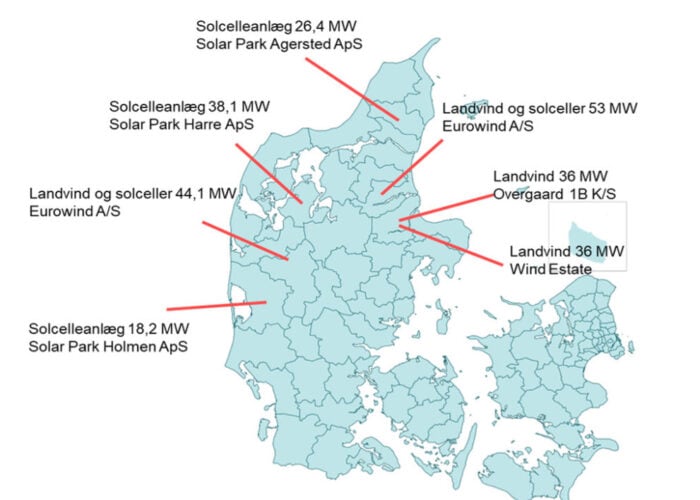
Record-low PV and wind bids at latest tech-neutral auction suggest both can be deployed ‘very quickly’ without support, says ministry in remarks that set the scene for a policy shift.
Endesa subsidiary will invest €60m to build portfolio across Spanish archipelago after reaping support at territory’s 326MW-plus first solar tender in mid-October, backed with EU funds.
Controversial Brazilian president vetoes bill containing dispensation for PV cells as appetite mounts among foreign solar manufacturers to supply market undergoing solar transformation.
Finlay Colville, head of market research at Solar Media, unveils significant growth in the UK’s utility-scale solar pipeline as the market looks set to return to gigawatt-level demand in 2020.
Middle Eastern clean energy player will assist with US$300-320m roadmap to deliver large-scale PV pipeline in Caucasus state, which only boasts 50MW up-and-running despite high irradiation.
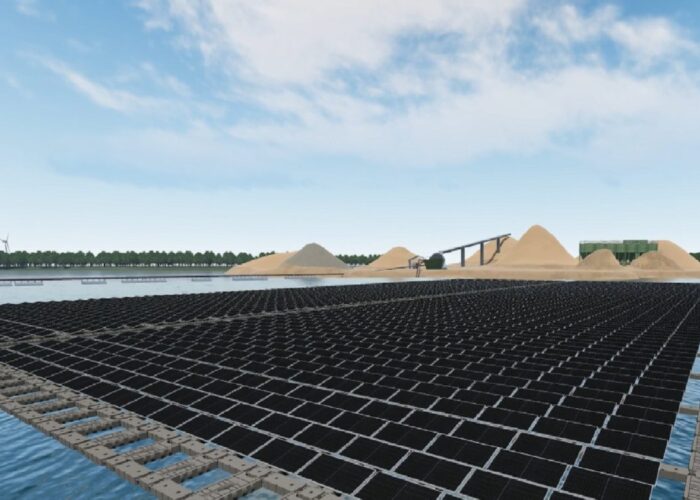
Swedish state-owned utility eyes December to start construction of maiden project in Northern country, increasingly targeted by solar players as home for floating ventures.