Los Angeles is the latest US city committed to achieving 100% clean energy after its city council approved a motion to chart a roadmap for its zero emissions future.
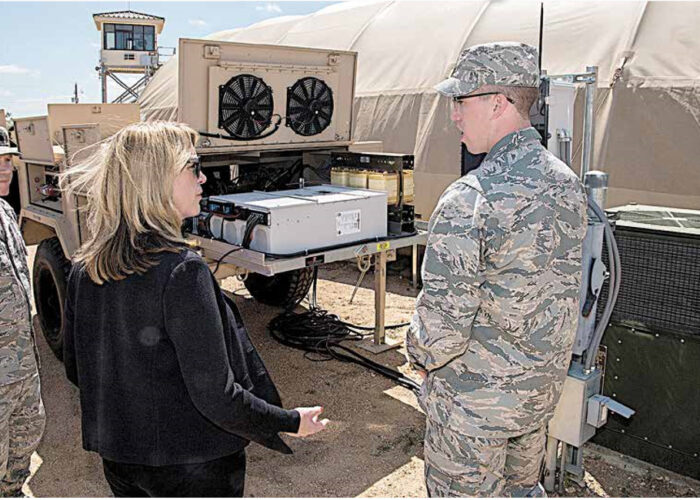
Ideal Power, a power conversion expert, has partnered with EnerDel and its lithium-ion batteries to create a mobile solar-plus-storage microgrid for the US Air Force.
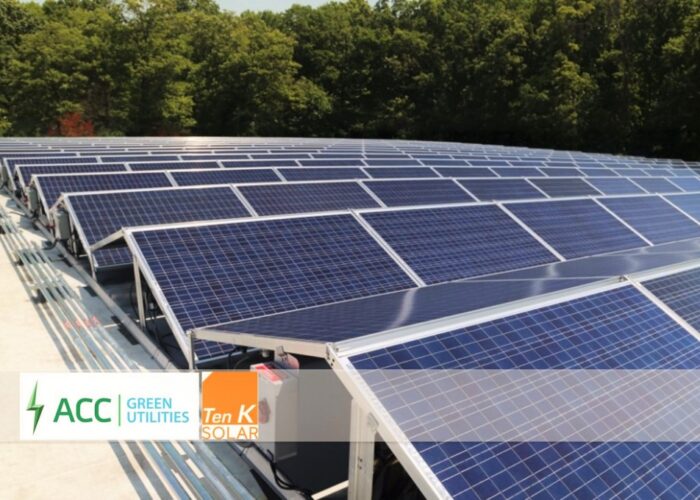
Hong Kong-headquartered Asia Clean Capital and the US’ Ten K Solar have signed an exclusive China partnership to develop an anticipated 40MW worth of solar projects within the next 18 months.
The US has once again come out on top after the World Trade Organisation (WTO) rejected a challenge by India in favour of its domestic content requirements (DCR).
Floridians may have voted in Amendment 4, a tax benefit that exempts renewable energy equipment on commercial buildings, but solar in Florida has much bigger problems to worry about.
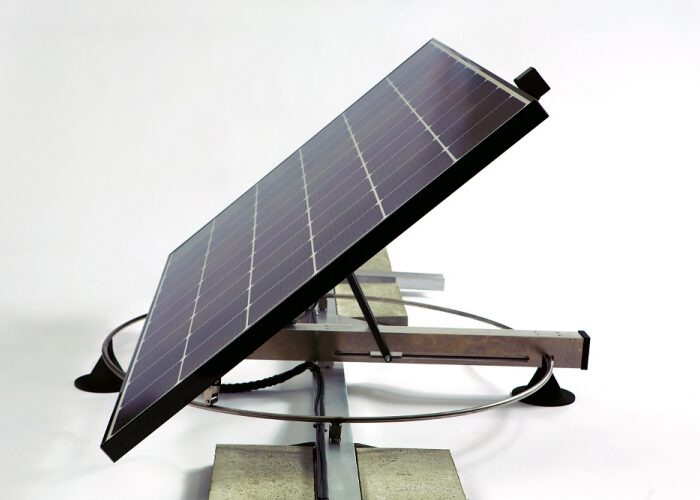
Idealab company Edisun Microgrids launched a new rooftop tracker for commercial and industrial (C&I) rooftops that could achieve significant savings, at this year’s Solar Power International (SPI) convention.