The European Commission (EC) has unveiled new rules to facilitate EU countries’ investments in renewables and help them reach their clean energy targets.
As part of the new Guidelines on State Aid for Climate, Environmental Protection and Energy (CEEAG), endorsed by the EC this week, EU member states will be able to hold technology-specific auctions and support any technology delivering carbon reductions, using tools such as contracts for difference.
Try Premium for just $1
- Full premium access for the first month at only $1
- Converts to an annual rate after 30 days unless cancelled
- Cancel anytime during the trial period
Premium Benefits
- Expert industry analysis and interviews
- Digital access to PV Tech Power journal
- Exclusive event discounts
Or get the full Premium subscription right away
Or continue reading this article for free
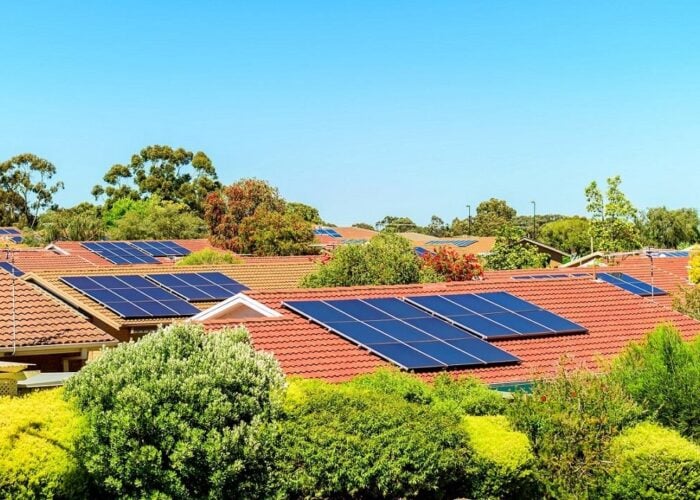
Under the new rules, rooftop PV projects up to 1MW, as well as 100% renewable energy community or SME-owned projects up to 6MW, “will not be burdened by competitive bidding processes”, said Naomi Chevillard, senior policy advisor at trade association SolarPower Europe (SPE).
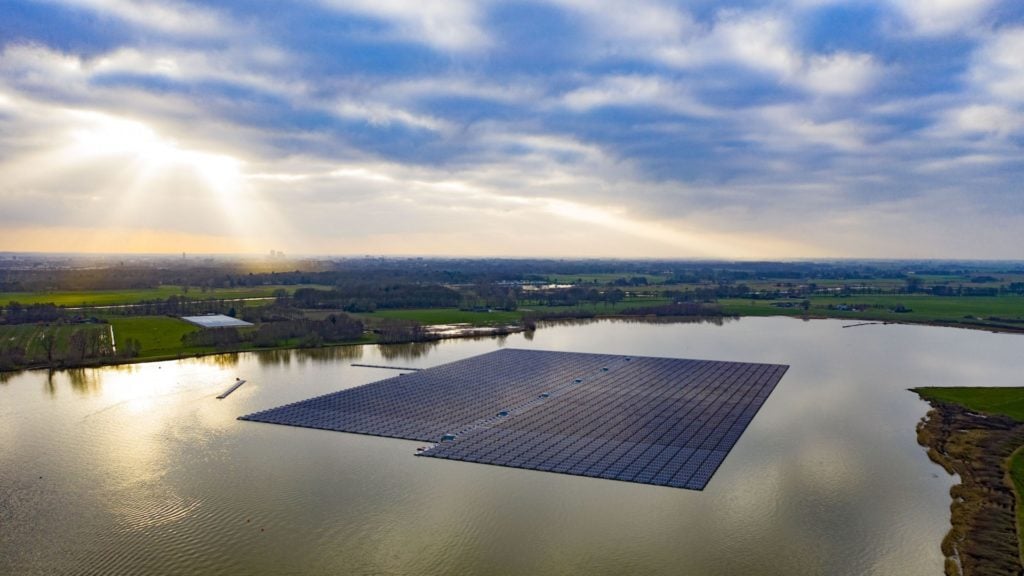
“The new state aid rules encourage tenders specific to certain renewable applications, such as agri-solar and floating solar.”
Due to be formally adopted in January 2022, the guidelines include adjustments to align state aid rules with the EC’s strategic priorities, such as the European Green Deal and the Fit for 55 package, which aims to reduce the EU’s net greenhouse gas emissions by at least 55% by 2030, compared to 1990 levels.
A new CEEAG section covers the reduction of greenhouse gas emissions, facilitating the assessment of measures supporting the decarbonisation of different sectors of the economy, including through investments in renewables.

“We want member states to empower citizens, by including energy communities in their schemes, and allowing smaller projects to benefit from aid without a tender,” said EU competition chief Margrethe Vestager said.
According to SPE policy director Claire Couet, the framework grants more flexibility to member states in designing their aid mechanism. “As more member states look to solar and storage to decrease exposure to volatile gas-driven electricity prices, hybrid solar tenders introduced in the new subsidy rules will enable the growth of these technologies,” she said.
The CEEAG also includes a new section on aid for the closure of coal, peat and oil shale plants to facilitate decarbonisation in the power sector.