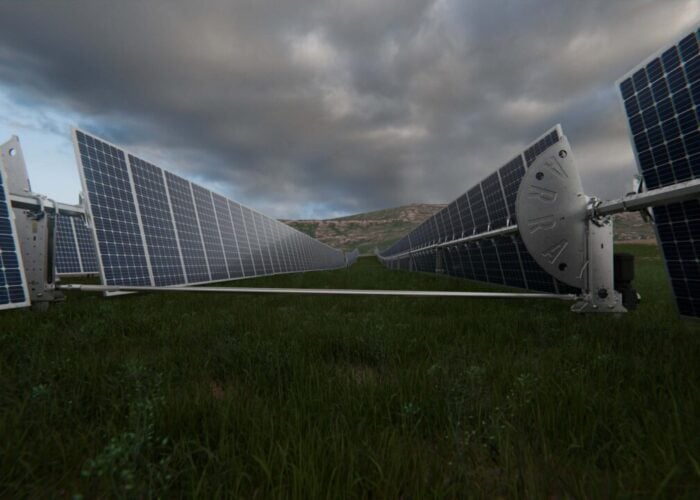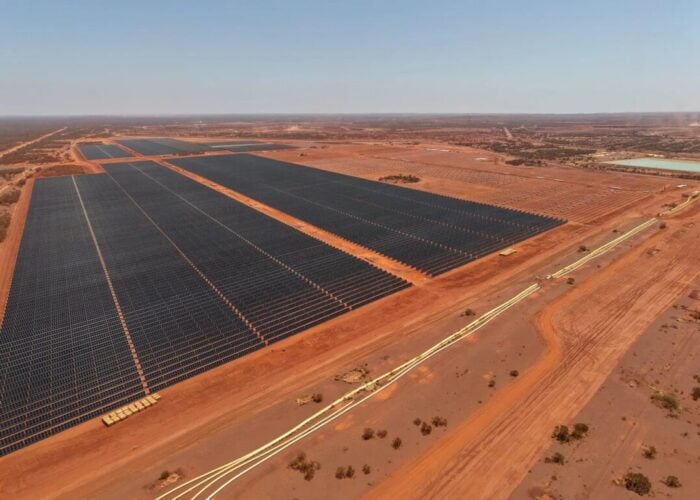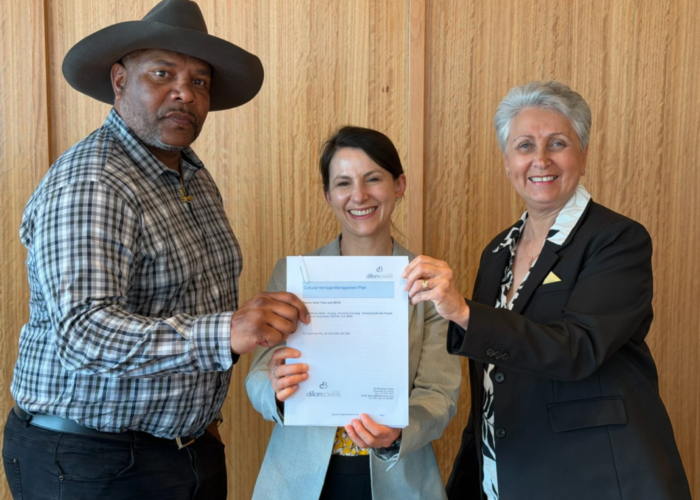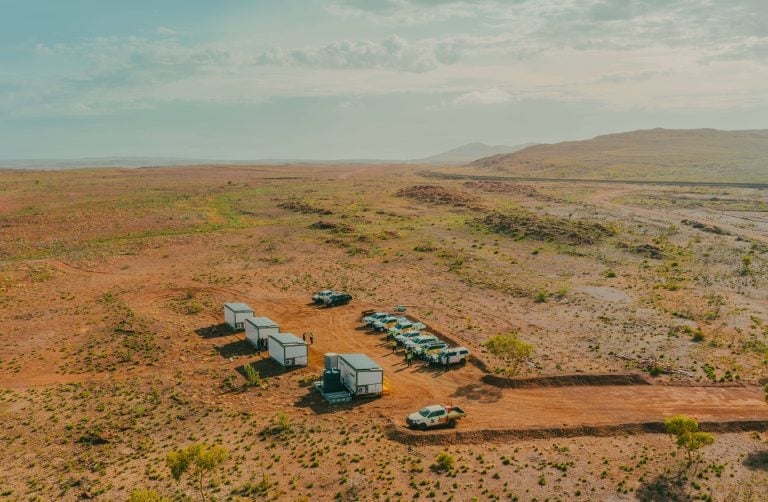
Yindjibarndi Energy Corporation (YEC) has lodged the Development Application (DA) for the Baru Marnda Renewable Energy Project, featuring a 500MW solar PV power plant.
The hybrid wind, solar and battery storage facility is being proposed in Yindjibarndi Ngurra, approximately 55km from Karratha in Western Australia’s Pilbara region.
Try Premium for just $1
- Full premium access for the first month at only $1
- Converts to an annual rate after 30 days unless cancelled
- Cancel anytime during the trial period
Premium Benefits
- Expert industry analysis and interviews
- Digital access to PV Tech Power journal
- Exclusive event discounts
Or get the full Premium subscription right away
Or continue reading this article for free
YEC is a partnership between the Yindjibarndi Aboriginal Corporation and the Philippines-based ACEN Corporation, with Yindjibarndi holding between 25% and 50% of project-level equity in the company’s renewable energy developments and retaining primary land tenure across project areas.
Baru Marnda is proposed to include up to 1,000MW of wind generation and up to 500MW of solar generation, alongside a battery energy storage system (BESS).
The Development Application draws together assessment work spanning planning, environment, cultural heritage, water, transport, bushfire, noise, visual impact, aviation and land tenure.
At a national scale, the proposed wind component places Baru Marnda within the emerging class of gigawatt-scale Australian wind projects, and within Western Australia, its proposed capacity would make it one of the state’s largest onshore wind developments.
The project would connect renewable energy generated on site to the North West Interconnected System (NWIS), the isolated grid serving the Pilbara’s mining and industrial operations, and was first referred for assessment under the federal Environment Protection and Biodiversity Conservation (EPBC) Act in July 2025, when YEC proposed up to six potential solar array sites northwest and southeast of the Rio Tinto rail corridor, with four to be included in the final design.
Construction was expected to begin in 2028 and be carried out in stages over three to six years, subject to the necessary approvals.
Baru Marnda also aligns with the Western Australian government’s Pilbara Energy Transition Plan.
YEC has been awarded Priority Project status for the Chichester Range Corridor, one of four priority common-use transmission corridors identified for the Pilbara, which would connect the Maitland Strategic Industrial Area with renewable energy generation to its south, potentially including Baru Marnda.
Indigenous-led development gathering pace across the Pilbara
The DA lodgement extends a run of project milestones YEC has reached across its Pilbara portfolio over the past 18 months.
The company reached financial close on the 150MW Jinbi solar plant in May 2026 and signed a 30-year power purchase agreement with Rio Tinto, with Stage 1 comprising a 75MWac facility and an option to expand to 150MWac.
That project, the first assessed under Western Australia’s Green Energy Approvals Initiative, has since moved into early construction, with Yurra, a Yindjibarndi Nation enterprise, carrying out site preparation and mobilisation.
Corporate interest in YEC’s broader pipeline has followed. BHP signed a memorandum of understanding with YEC in May 2026 to assess large-scale energy solutions for its iron ore operations in the Pilbara, exploring options across power generation, transmission and enabling infrastructure for BHP’s mining, rail and Port Hedland operations, which currently run on an islanded network supplied by a 190MW gas-fired power station.
That agreement followed YEC’s launch of a formal expression of interest process in February 2026, seeking commercial and industrial customers for renewable energy offtake from its project portfolio, targeting major energy users across mining, minerals processing, heavy industry and hydrogen production.
YEC was established in 2023 with a target of developing up to 3GW of wind, solar and storage capacity across approximately 13,000 square kilometres of Yindjibarndi Ngurra.