The US has yet again been named the most attractive market for renewables investment and deployment opportunities, according to global professional services firm Ernst & Young’s (EY) 63rd Renewable Energy Country Attractiveness Index (RECAI).
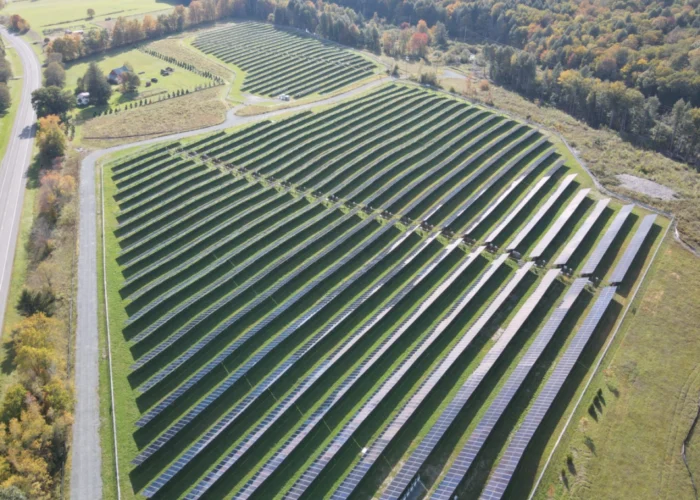
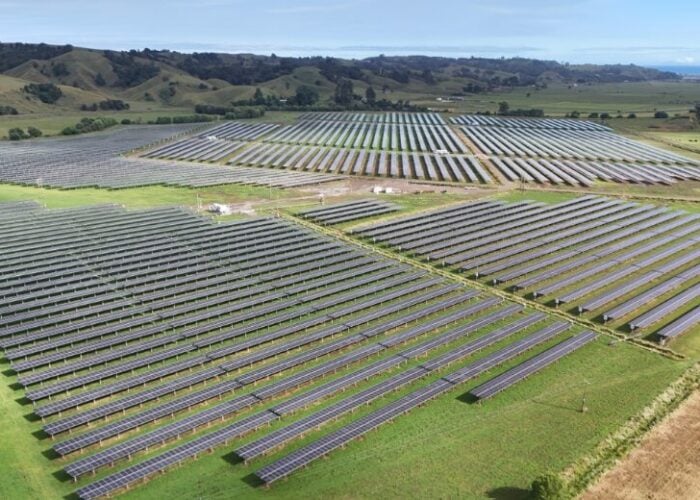
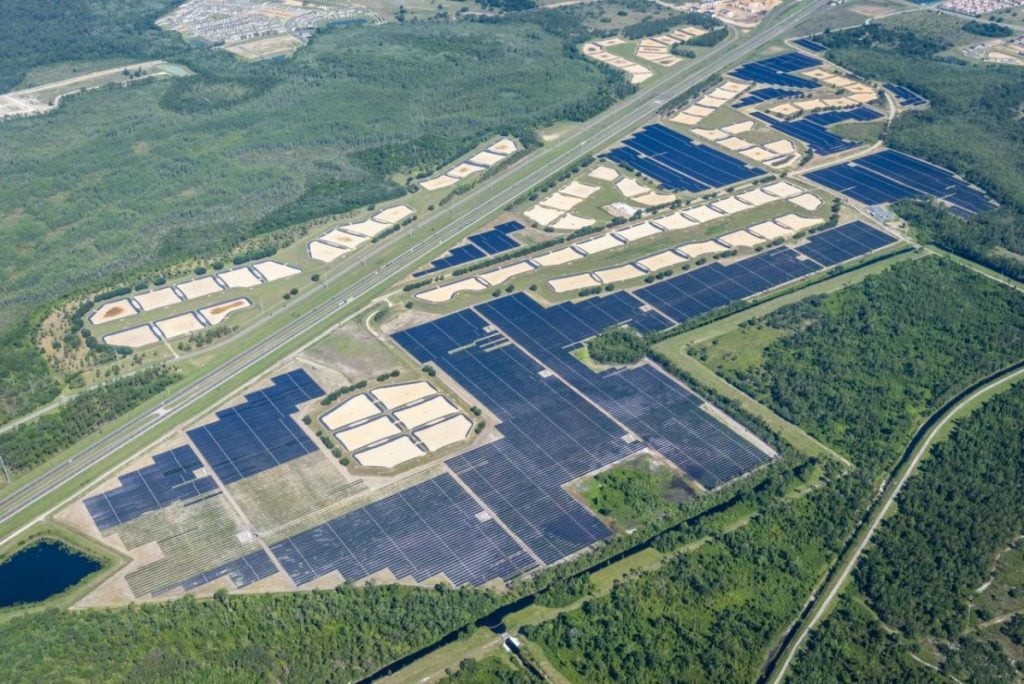
The RECAI, published every six months, ranks the top 40 countries and provides analyses of clean energy industry trends. The US retains the top spot in the index; it added 4.6GW of solar in the first quarter of 2024, with installed capacity now at 100GW, according to the report. Federal support in the US for grid upgrades will boost renewables transmission.
Try Premium for just $1
- Full premium access for the first month at only $1
- Converts to an annual rate after 30 days unless cancelled
- Cancel anytime during the trial period
Premium Benefits
- Expert industry analysis and interviews
- Digital access to PV Tech Power journal
- Exclusive event discounts
Or get the full Premium subscription right away
Or continue reading this article for free
But data the Solar Energy Industries Association (SEIA) said the US installed 11.8GWdc of capacity in Q1 2024 and added more than 40GW of solar capacity to the grid last year.
China moves from the third spot to the second in the latest index. Its draft legislation aiming to prioritise renewables and displace fossil fuels encourages both international and domestic investment while improving infrastructure in rural areas.
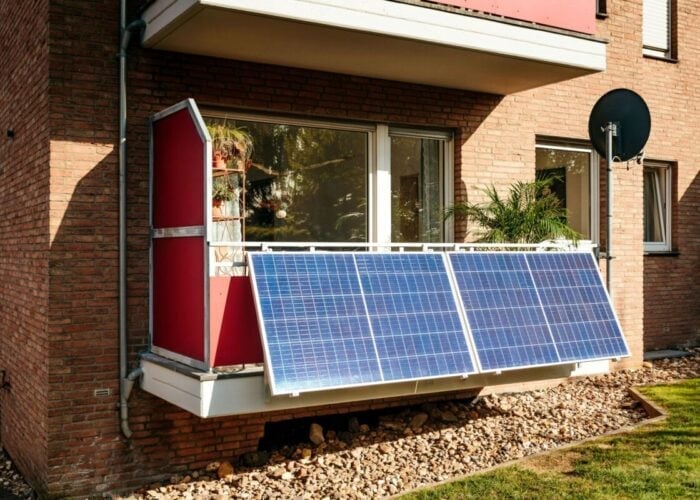
Germany takes the third spot, down from second. EY said Germany’s effective approach to state tenders continues, with record participation in the country’s latest round of solar PV auctions. Bids received a total of 5.5GW capacity, far surpassing the auctioned capacity of 1.6GW resulting
in projects receiving support of just €0.0444 (US$0.048) and €0.0547 per kWh, significantly less than previous tenders.
France, Australia and the UK are ranked fourth, fifth and sixth in the index respectively.
India, ranked seventh (down from sixth), added approximately 26GW of new power generation capacity in the financial year 2023–24, with more than 70% coming from renewables. Renewables make up 33% (about 144GW) of India’s total installed power generation capacity, with the share of coal and lignite dropping below 50% for the first time.
However, EY said more than US$100 billion of funding is needed in renewables generation, storage and transmission capacity in India, in order to meet the International Energy Agency’s (IEA) Net-Zero Emission Pathway by 2030.
Denmark, Canada and Japan take the eighth, ninth and tenth spots in the index respectively.

Spain, ranked 12th and down the eighth spot in the previous RECAI, still faces curtailment issues and market players going bankrupt. Grid constraints grew last year, forcing the shutdown of 1.2TWh of renewable capacity in 2023 and costing the economy around US$2.3 billion. The impact will make location a much bigger factor for investors, with some suggesting projects in northern Spain, where there are less favourable solar conditions, will be more attractive than those in sunnier central and southern areas.
In 2023, solar installations were about half of that for 2022 in Spain, a year where the market was buoyed by subsidies and energy security fears. The decline could be attributed to a general fall in energy prices and tough economic conditions for households.
Aside from the top 40 countries in the index, the report also shows that US$1.8 trillion was invested in clean energy worldwide in 2023, resulting in a 507GW increase in installed capacity. This was the biggest ever growth recorded in one year, and about two-thirds of that new capacity was solar PV.
However, the firm said this still falls well short of the investment required to triple renewable energy capacity by 2030 in line with COP28 targets, while underinvestment in infrastructure such as transmission networks means many grids around the world are not equipped to cope with integrating quickly rising shares of variable renewable energy (VRE).
EY also covers battery energy storage system (BESS) technology’s role in alleviating the strain on networks and enabling increased adoption of renewables. Read more from an article published by PV Tech’s sister publication Energy-Storage.news.
Our other sister site, Current±, also covered the report’s analysis about the UK. The report places the UK sixth, a step up that is partly attributed to increased government funding for the Contracts for Difference (CfD) scheme, which received over £1 billion in the most recent auction round (AR6).