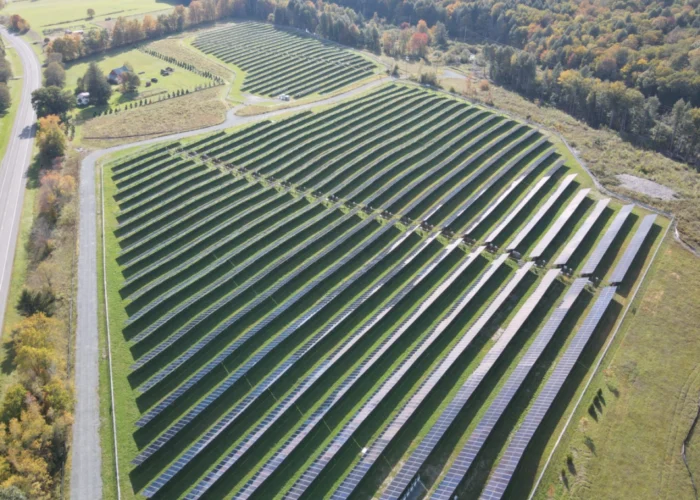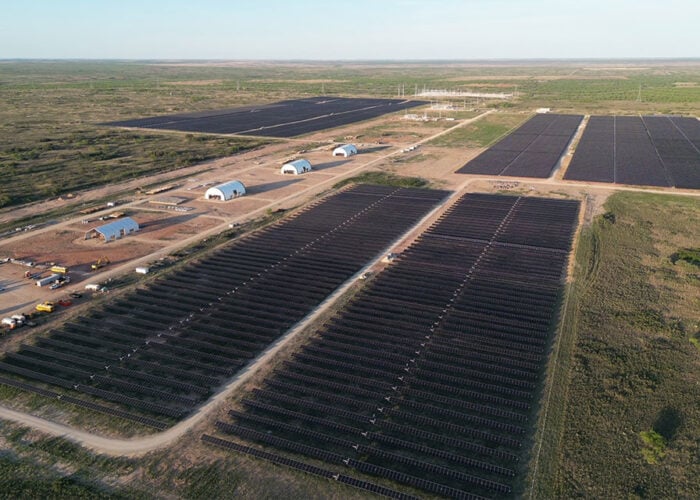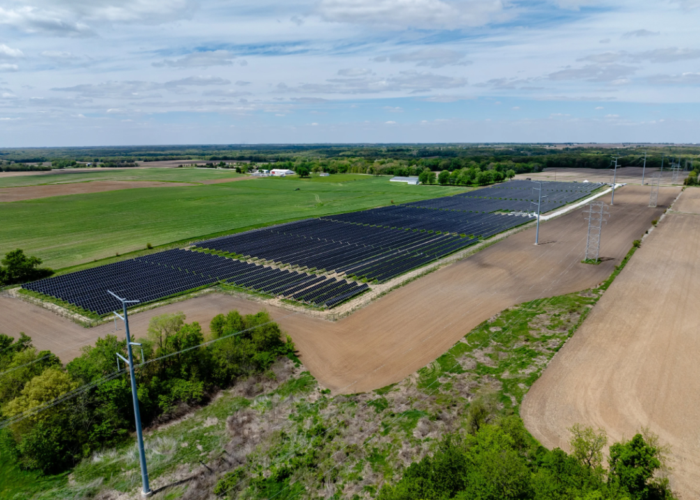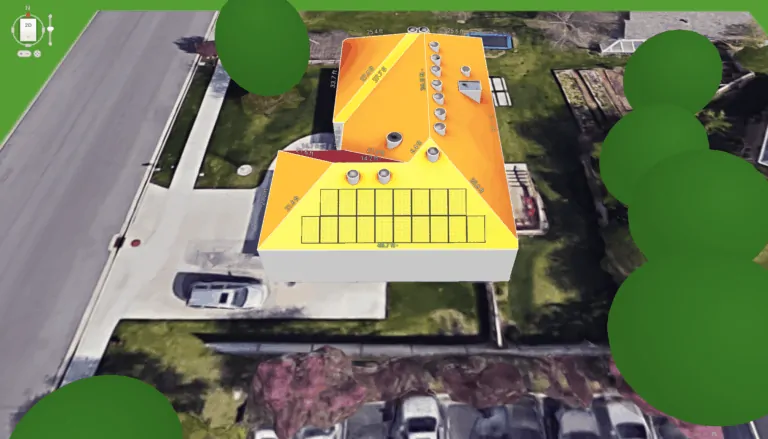
Solar sales and design software provider Aurora Solar is to bolster its offering by acquiring Folsom Labs, the developer of HelioScope, a solar design software solution aimed at the commercial sector.
Aurora said the deal would solidify its position as one of the largest providers of solar system design software in the market through M&A, contributing to a growing trend of solar companies adding software expertise to their repertoires.
Try Premium for just $1
- Full premium access for the first month at only $1
- Converts to an annual rate after 30 days unless cancelled
- Cancel anytime during the trial period
Premium Benefits
- Expert industry analysis and interviews
- Digital access to PV Tech Power journal
- Exclusive event discounts
Or get the full Premium subscription right away
Or continue reading this article for free
Christopher Hopper, co-founder of Aurora Solar, said: “Aurora Solar and Folsom Labs share a common mission to build a future of solar energy for all. We built our business to help the solar industry scale through technology, and adding the Folsom Labs team puts us in an even better position to drive the digital transformation of the solar industry.”
The acquisition accelerates Aurora’s strategy of providing tools for solar companies, from residential to large-scale commercial solar, and for all teams within an organisation.
“Today is a big day for solar,” added Samuel Adeyemo, co-founder of Aurora Solar. “As a result of this acquisition, solar professionals from the residential and commercial sectors can look forward to faster product innovation and an unparalleled customer experience. I’m delighted to welcome the Folsom Labs team to Aurora.”
Paul Grana, co-founder of Folsom Labs, said the move would enable the company to “maximise” its impact, and “provide the comprehensive solution the solar industry has been waiting for since we both started our parallel journeys”.
Earlier in the year, Aurora raised US$250m through a funding round, stating its intention to use the funds to grow its product roadmap, expand sales and customer support, and build its leadership team to help scale the company.
Aurora’s acquisition builds on a trend that has seen M&A in the solar software space grow this year. in May 2021, UL acquired the US software company Clear Sky Analytics, to boost its capabilities to assess PV plant performance. US-based microinverter supplier Enphase Energy acquired software firm Sofdesk earlier this year to bolster its solar design software solutions, an acquisition it followed up a month later with the purchase of Noida’s solar design software unit.
In the US, there has been a sizeable push from the Department of Energy (DOE) to bolster solar software expertise, with free software approved for rooftop solar systems in efforts to cut red tape for households across the country.
In June, the DOE launched the Solar Prize funding round, making US$5 million available and including funds for software concepts for the first time.
The addition of a software track follows renewed importance on the so-called soft costs of solar deployment, with private companies also looking to ramp up their software expertise.