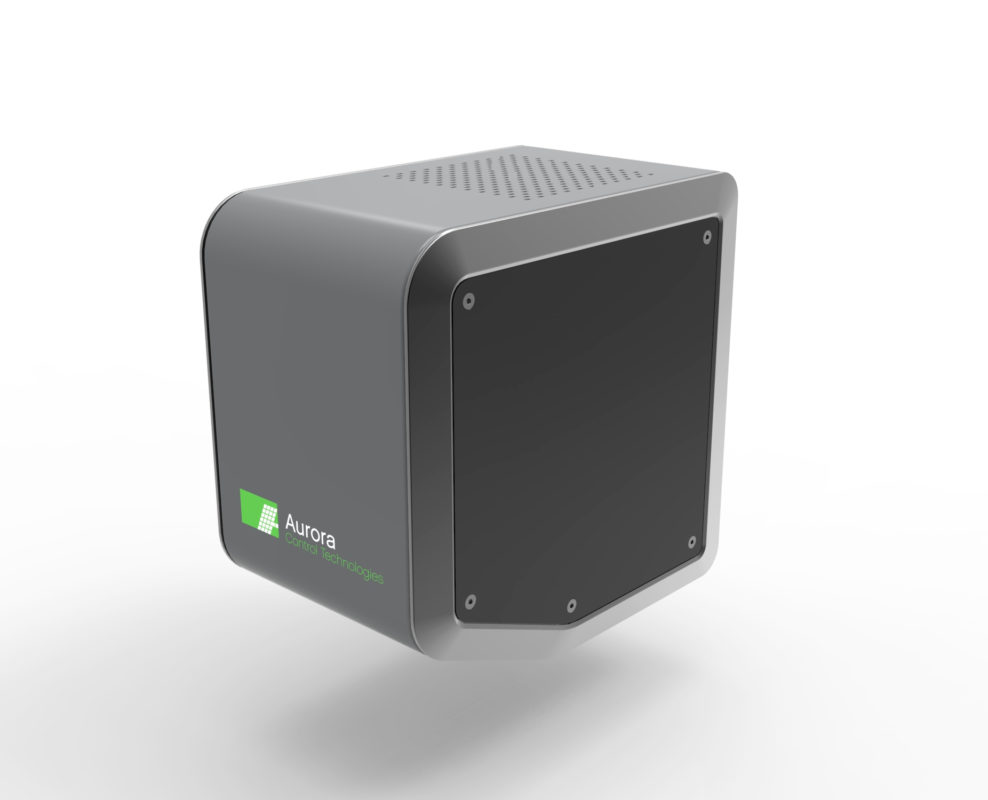
Aurora Solar Technologies (AST) has introduced an enhanced version of its ‘Decima’ inline measurement system for quality control of bi-facial solar cells during production. ‘Decima Gemini’ consists of a specialized pair of Decima CD measurement heads that enables the sheet resistance of the wafers' back-surface field and emitter to be measured accurately and simultaneously.
Problem
Try Premium for just $1
- Full premium access for the first month at only $1
- Converts to an annual rate after 30 days unless cancelled
- Cancel anytime during the trial period
Premium Benefits
- Expert industry analysis and interviews
- Digital access to PV Tech Power journal
- Exclusive event discounts
Or get the full Premium subscription right away
Or continue reading this article for free
Bi-facial solar cells have an open and active backside which enables collection of reflected light available from the earth, rooftops, etc. generating up to 25% more energy than traditional cells. However, bi-facial PV manufacturers have until now been forced to rely on manual sheet resistance sampling techniques that are wasteful and inadequate for control of the more complex and sensitive bi-facial cell fabrication process.
Solution
Aurora's Decima Gemini consists of a specialized pair of Decima CD measurement heads. With this novel system, the sheet resistance of the wafers' back-surface field and emitter are measured accurately and simultaneously. Each Decima Gemini system is managed and controlled as a unit by Aurora's 'Veritas' process visualization software. This unique measurement capability results from Aurora's patented Infrared Reflectometry measurement technology, which measures doped semiconductor layers without contacting the cell or the need for an electrical junction between doped layers. Decima can accurately measure the bifacial cell's back-surface field without interference from wafer resistivity variations – a crucial need for this type of application. No other back-surface field measurement technique is currently available without the complicated use of monitor wafers that reduce production yield and prohibit complete monitoring of production.
Applications
Inline measurement of bi-facial solar cells.
Platform
The Decima Gemini product is designed as a unit to fit above and below a wafer conveyor, and measures 100% of wafers at full production line speeds. Aurora's ‘Veritas’ process visualization software provides process engineers and operators with a simple, single point to monitor and control the critical back-surface field and emitter formation processes.
Availability
January, 2017 onwards.