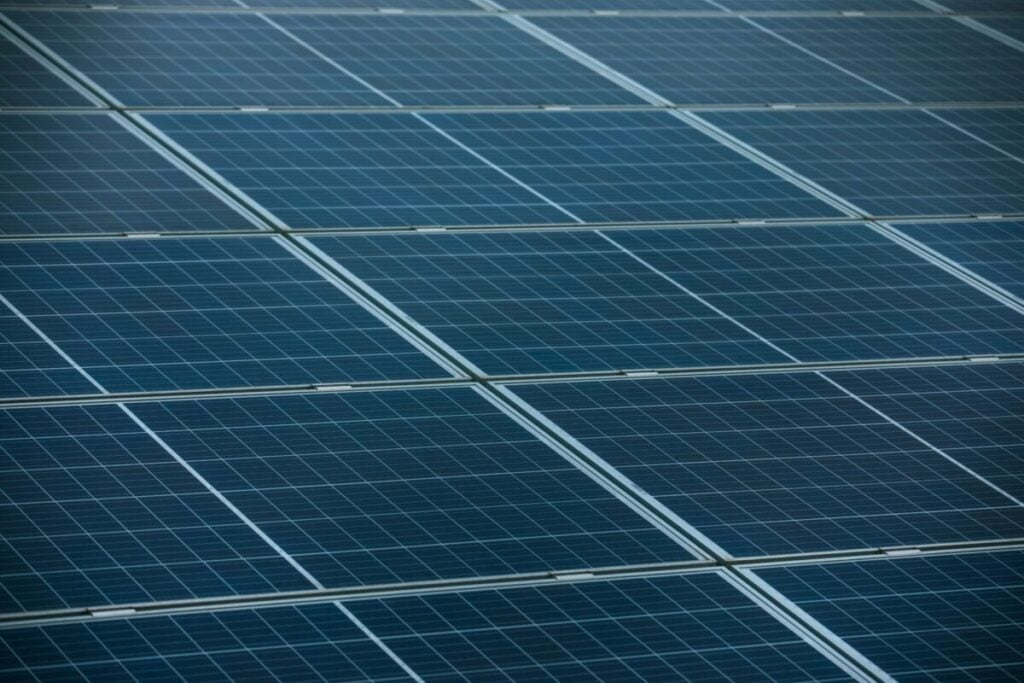
International researchers led by a team from the King Abdullah University of Science and Technology (KAUST) have developed a new cooling technology that improves the power and longevity of solar cells.
The study also included researchers from King Abdulaziz City for Science and Technology (KACST), and was tested in the Saudi Arabian desert for weeks. The use of the technology increased the power output of a solar cell by 12.9% and extended its longevity by 200%.
Try Premium for just $1
- Full premium access for the first month at only $1
- Converts to an annual rate after 30 days unless cancelled
- Cancel anytime during the trial period
Premium Benefits
- Expert industry analysis and interviews
- Digital access to PV Tech Power journal
- Exclusive event discounts
Or get the full Premium subscription right away
Or continue reading this article for free
The new cooling technology was made with a composite material that absorbs air moisture at night and releases it during the day. The scientists found that adhering the material to solar cells operating in coastal Saudi Arabia for weeks have kept the cells cooler while increasing the power output and lifespan.
On top of that, the passive cooling has also resulted in the reduction of the cost of electricity generation by the solar cells by 18%. The researchers have also carried tests in cool parts of mainland US under rainfall to prove the passive cooling technology works under any environment.
The results have been released in a study in Materials Science and Engineering: R, which can be accessed here.
“We specialise in nanomaterials that enable passive cooling. These materials are thin and can be placed on different systems that require cooling to operate, like greenhouses and solar cells, without affecting performance,” said KAUST professor Qiaoqiang Gan, who led the study.
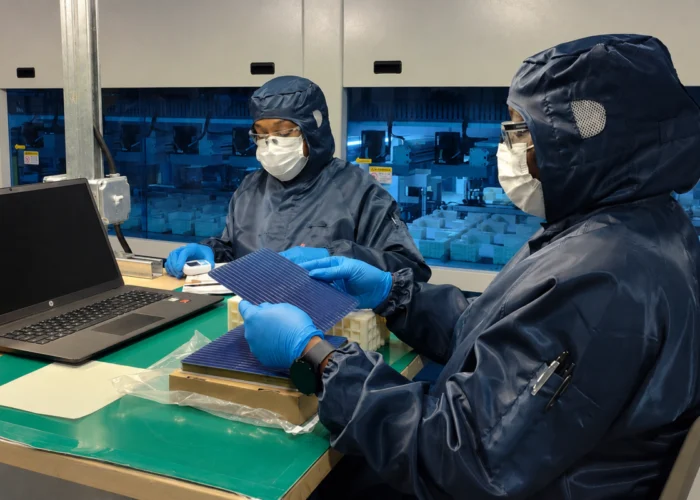
“This work is an excellent example of combining different expertise at KAUST. We tested the new cooling technology on top performing solar cells in multiple environments and saw excellent results in every case,” added professor Steefan De Wolf, whose team provided the solar cells that were tested with the new composite material.