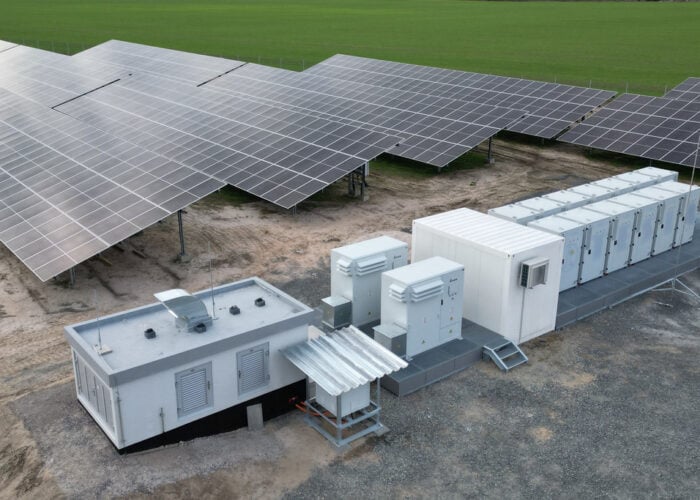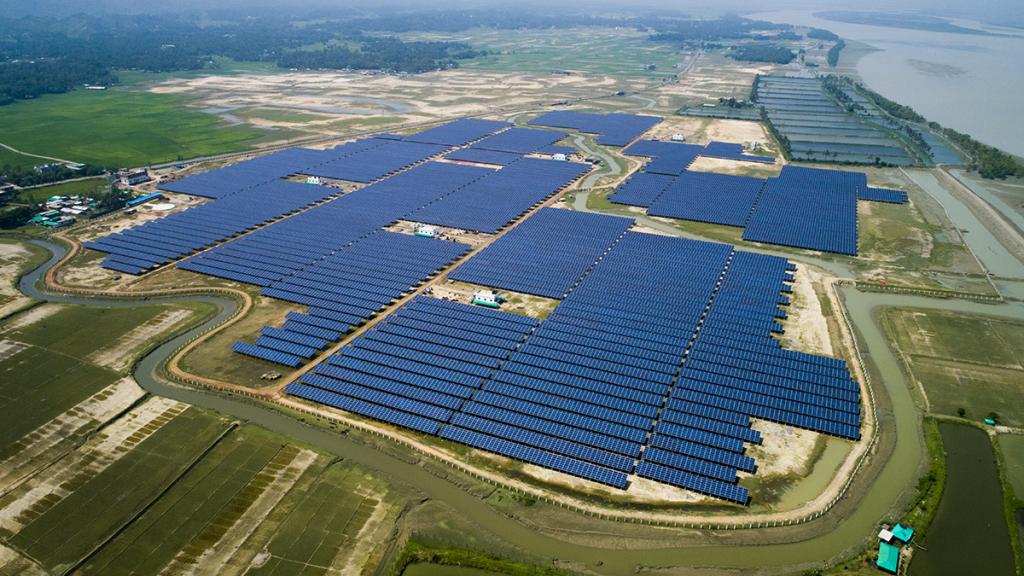
The Bangladesh Power Development Board (BPDB) has launched a tender for 495MW of new solar PV capacity, to be deployed across ten projects.
Bidders will have until 28 June to submit bids, and successful applicants will have to provide a security deposit of around US$5,000 per megawatt of allocated capacity. Successful projects will also have to be built near transmission substations, eight of which are currently in operation, while two of which—near the town of Cox’s Bazar in southern Bangladesh and the city of Tangail in central Bangladesh—are currently under construction.
Try Premium for just $1
- Full premium access for the first month at only $1
- Converts to an annual rate after 30 days unless cancelled
- Cancel anytime during the trial period
Premium Benefits
- Expert industry analysis and interviews
- Digital access to PV Tech Power journal
- Exclusive event discounts
Or get the full Premium subscription right away
Or continue reading this article for free
Tenders are a common means of deploying new energy generation capacity, particularly in the solar sector. Earlier this year, trade body SolarPower Europe published a report showing increasing appetite for government auctions, rather than private offtake agreements, in the solar financing space, and PV Tech Premium has heard from experts in the German, Italian and French solar sectors about the role of government support for new solar projects.
Bangladesh has launched tenders of its own, including tenders for 77.6MW of solar capacity last week and a 2.6GW tender last year.
However, these tenders have been less successful than those in Europe, with no bids made for the March 2025 tender, raising questions about investor interest in building new solar projects in the country. Renewable energy is a small part of Bangladesh’s energy mix—renewables accounted for just 4.62% of generation in August 2025—and the government is aiming to increase this to 40% by 2050.
The government is also hopeful that domestic electricity generation will meet more of the country’s electricity demand in the coming years. Figures from the Institute for Energy Economics and Financial Analysis (IEEFA) show that not only was Bangladesh a net energy importer in 2025, but that the BPDB’s payment backlogs for electricity acquired from independent power producers (IPPs) had reached US$2.2 billion in November 2025. Expanding both renewable electricity generation and domestic power sources, to reduce reliance on energy imports, will be important parts of the Bangladesh energy transition.