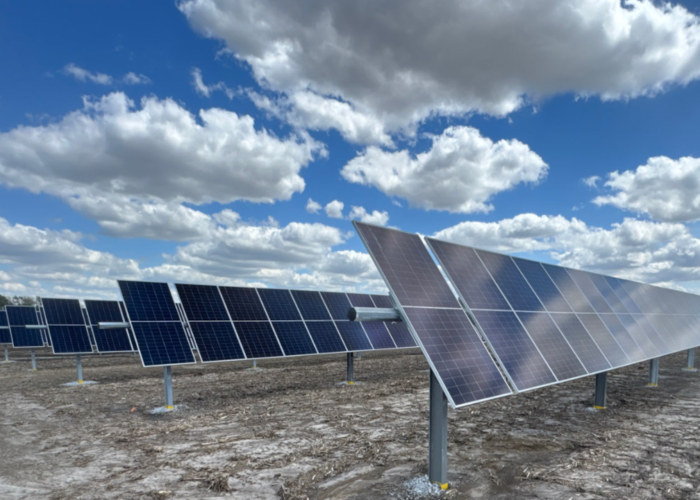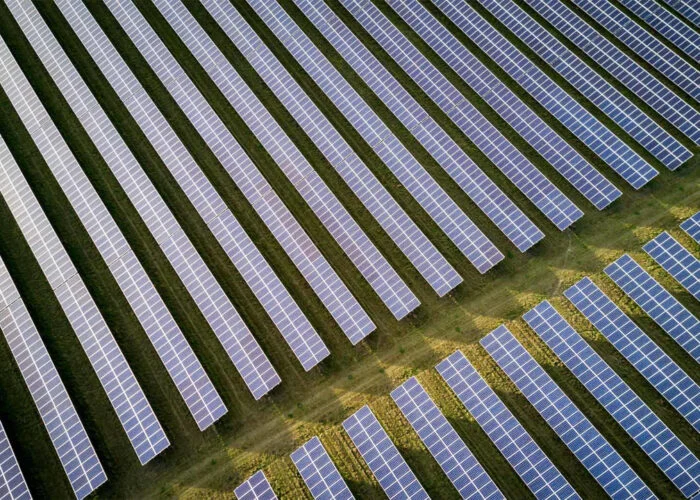
The Biden administration is said to be considering making bifacial panels exempt from extended Section 201 tariffs on solar imports, according to unconfirmed reports.
Reuters yesterday (27 January) cited two sources familiar with the matter as stating that the White House is preparing to extend S201 tariffs by four years, in line with recommendations made late last year by the US International Trade Commission, but exempt bifacial panels from those tariffs when they are extended.
According to the report, the White House is also contemplating doubling the tariff-free quota on solar cell imports from 2.5GW to 5GW per year.
Try Premium for just $1
- Full premium access for the first month at only $1
- Converts to an annual rate after 30 days unless cancelled
- Cancel anytime during the trial period
Premium Benefits
- Expert industry analysis and interviews
- Digital access to PV Tech Power journal
- Exclusive event discounts
Or get the full Premium subscription right away
Or continue reading this article for free
Reuters cited “administration officials” as saying that “no decision had been made yet, but that trade protections were likely”.
The Biden Administration had appealed against the reinstatement of an exemption from Section 201 tariffs for bifacial modules after it was imposed in November last year by the US Court of International Trade (CIT).
Reports that it is now considering an exemption to bifacial modules for another four years suggest something of a U-turn by the Biden administration.
Speaking on a ROTH Capital webinar today Rhone Resch, CEO of Advanced Energy Advisors and former chief executive of the Solar Energy Industries Association (SEIA), said it was highly unlikely the appeal would be successful and the exemption was here to stay, adding that the tariff level of other solar products was likely to remain at 15%.
A Solar Energy Industries Association (SEIA) spokesperson told PV Tech that it would not comment on the reports until an official White House statement but that the tariffs had been detrimental to the country’s solar industry.
“There are other, more effective ways to build a sustained and robust solar manufacturing supply chain, such as passing the clean energy provisions in the Build Back Better Act. We hope that the administration will take those steps to grow American manufacturing while paving the way for clean, affordable solar power,” said SEIA.
Implemented by the Trump administration in 2018, the Section 201 tariffs have been highly contentious. The tariffs on solar imports were introduced at a rate of 30%, declining by five percentage points each year for four years. They are due to expire on 6 February.
Supporters of the tariffs argue they are crucial in helping the US establish a domestic PV manufacturing base, while opponents say they have cost thousands of jobs in the country’s solar industry more broadly through higher costs to developers and installers, resulting in fewer projects being realised.
In September last year, the World Trade Organisation rejected China’s challenge to the tariffs, ruling that the measures have not breached global trade rules.
The US International Trade Commission (ITC) recommended in December 2021 that President Joe Biden extend tariffs on imported crystalline silicon PV cells and modules for another four years.
In a report explaining its decision, the ITC said that although the domestic industry is making a “positive adjustment” to import competition, the safeguard measure “continues to be necessary to prevent or remedy serious injury”.
Confirmation of the White House’s decision on the tariffs is expected imminently.