For much of the solar industry’s growth, discussions around bankability have focused on the financial strength of manufacturers, technology certifications, and project economics. Those factors remain important, but module technology evolves and supply chains become more complex, quality assurance is taking on a much larger role in determining whether a project is truly bankable.
The reason is simple. Investors and lenders need confidence that a project will perform as expected over its entire operating life. Financial models are built around energy yield forecasts, operating costs, and revenue projections. When module quality issues arise, those assumptions can quickly come under pressure. Lower than expected performance, warranty claims, delays, or increased maintenance costs can all have a direct impact on project returns.
Try Premium for just $1
- Full premium access for the first month at only $1
- Converts to an annual rate after 30 days unless cancelled
- Cancel anytime during the trial period
Premium Benefits
- Expert industry analysis and interviews
- Digital access to PV Tech Power journal
- Exclusive event discounts
Or get the full Premium subscription right away
Or continue reading this article for free
At the same time, the industry has seen adoption of new cell technologies, larger module formats, and continuous efforts to reduce production costs. While innovation is essential, it also increases the importance of verifying that products are being manufactured consistently and in accordance with agreed specifications.
Kiwa PI Berlin has observed the impact of these changes through our work in the factory and the field. As we discussed in our 2026 PV Module Manufacturing Quality Report, module defects are increasing as manufacturers struggle to achieve consistent quality with materials selection and process controls. Of the 85 factories audited, 5% achieved an ‘excellent’ rating, with most falling between ‘above average’ and ‘average’, and 21% rated as ‘below average’ or ‘poor’.
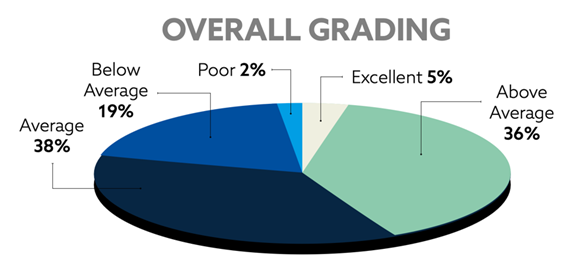
Figure 1: Kiwa PI Berlin’s Factory Audit Analysis
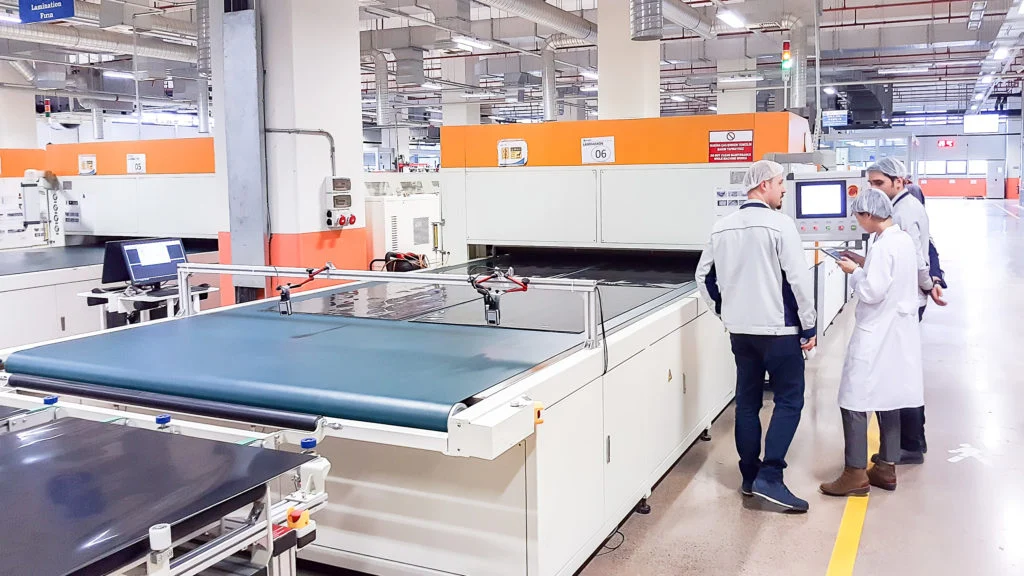
This is where quality assurance has become increasingly valuable. Independent factory audits, production monitoring, and product inspections provide buyers with visibility into how modules are being made before they arrive on site. Rather than relying solely on certifications or brand reputation, project stakeholders gain a clearer understanding of the actual manufacturing processes, material controls, and quality systems behind the products they are purchasing.
During the last year, Kiwa PI Berlin conducted Pre-shipment Inspections (PSI) on nearly 160,000 PV modules across 65 manufacturing facilities worldwide. Analysis of this inspection data revealed that defects such as lamination bubbles, creepage distance violations, and junction box failures are concentrated in critical areas (Figure 2).
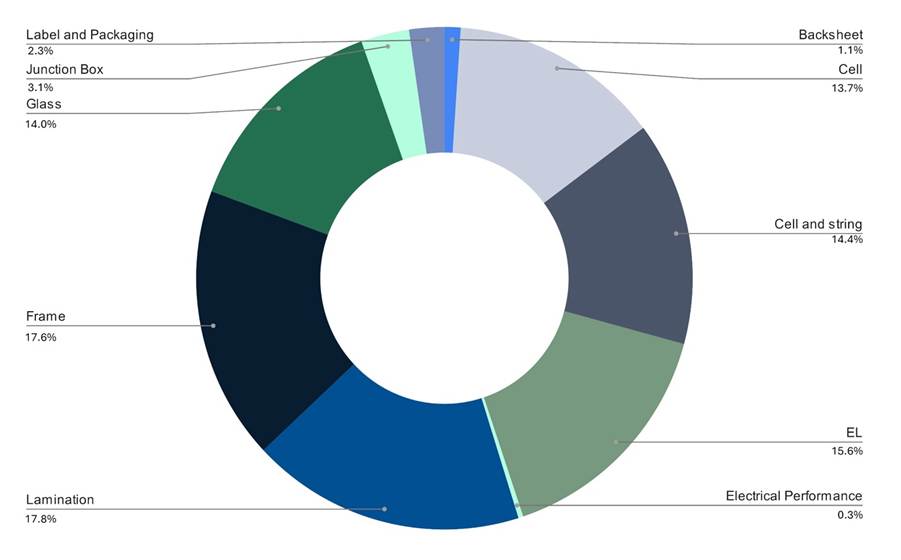
Figure 2: PSI Defects by Type
For many years, quality assurance was often viewed as a cost that could potentially be avoided. At the PV ModuleTech conference in Napa last month, the conversation felt very different. Many of the speakers were discussing it as a tool for protecting investments and improving lender confidence. The focus was no longer simply on securing supply at the lowest possible price. It was on reducing uncertainty and protecting long-term project performance.
The same trend is evident in supply chain compliance. Growing traceability requirements, particularly in the United States, have created additional risks for project developers and importers. Delays caused by missing or incomplete documentation can affect construction schedules and tie up capital. Strong quality assurance programs that include traceability verification can help reduce these risks and provide greater confidence that products will arrive as planned.
Perhaps the biggest benefit of quality assurance is that it addresses problems before they become expensive. Identifying issues during manufacturing is far less costly than discovering them after installation. Factory audits, production oversight, and pre-shipment inspections allow corrective actions to be taken early, when solutions are simpler and less disruptive.
As solar continues to mature as an asset class, expectations from lenders and investors will only increase. Bankability is no longer just about who makes the module or which certification appears on a datasheet. It is increasingly about demonstrating that quality, performance, and supply chain risks have been actively managed.
For that reason, quality assurance is no longer a supporting activity at the edge of project development. It is becoming one of the foundations of a bankable solar project.
Glenn Davis is sales manager at technical advisor Kiwa PI Berlin.