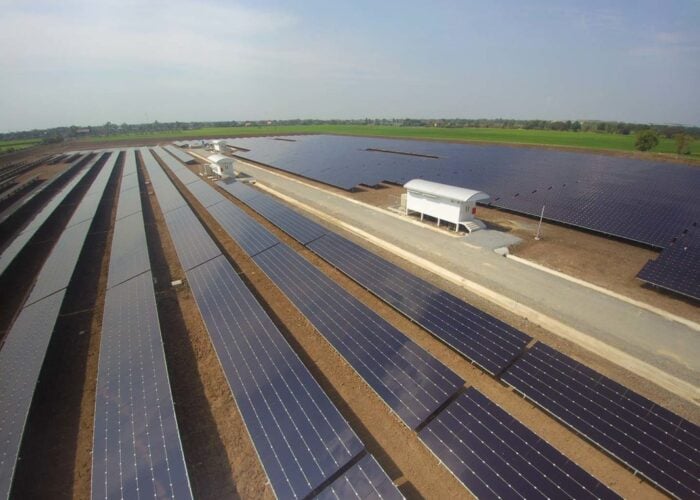
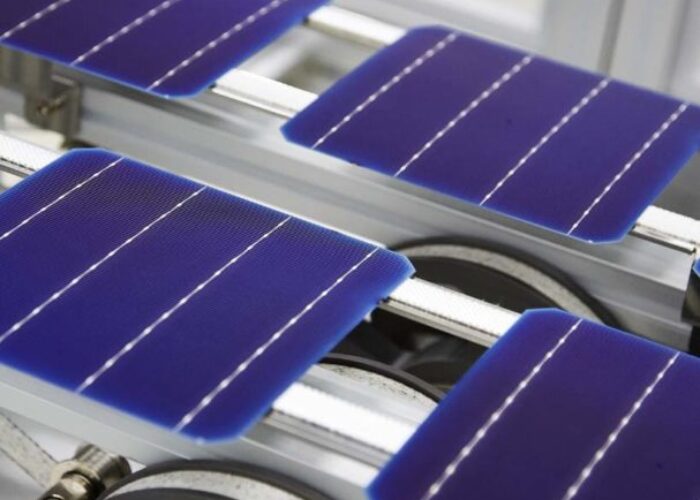
PV capital expenditure (capex) in 2018, covering investments into ingot, wafer, cell and module capacity, will grow by almost 25% compared to 2017, passing through the US$10 billion mark, returning to levels last seen back in 2010 and 2011 when investments in turn-key thin-film fabs were a key contributor.
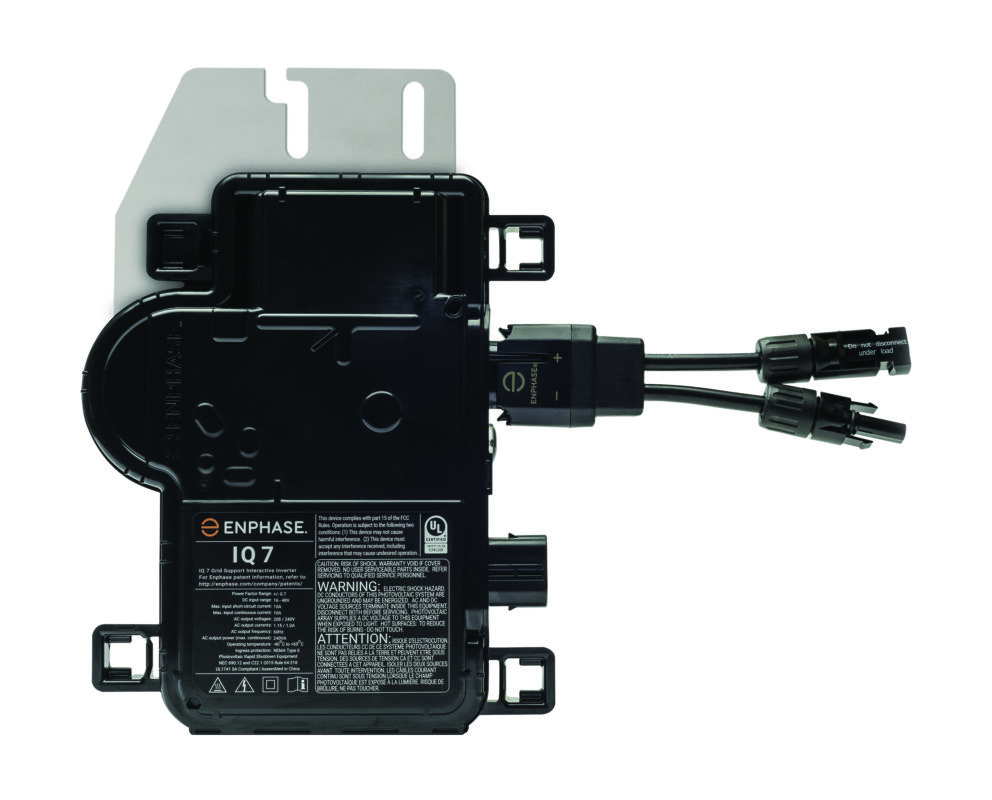
Enphase Energy has launched its seventh-generation ‘Enphase IQ’ microinverters for the Enphase Home Energy Solution with ‘IQ’. The ‘Enphase IQ 7 Micro’ and ‘Enphase IQ 7+ Micro’ are designed for worldwide markets and have started shipping to distributors in the United States. Enphase IQ 7 microinverters will continue to be phased into markets around the world through the first half of 2018.
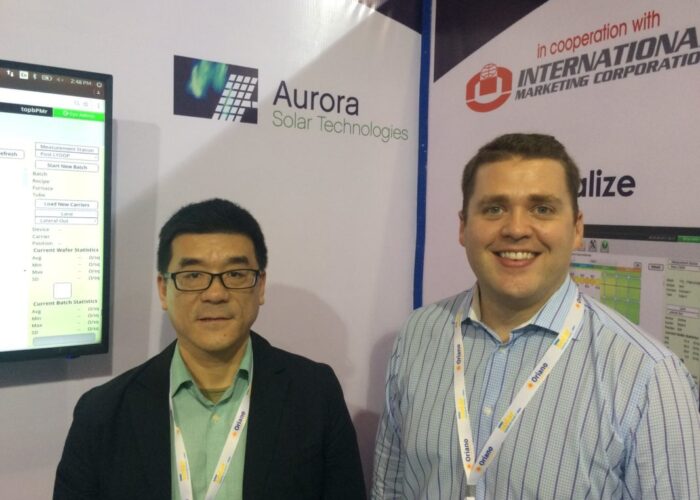
With cell producers increasingly focusing on improved efficiencies and yields, line optimization upgrades are coming to the fore. PV Tech caught up with Steve Mcdonald, vice president, application engineering at inline solar cell measurement equipment specialist Aurora Solar Technologies, to discuss some of the industry trends.
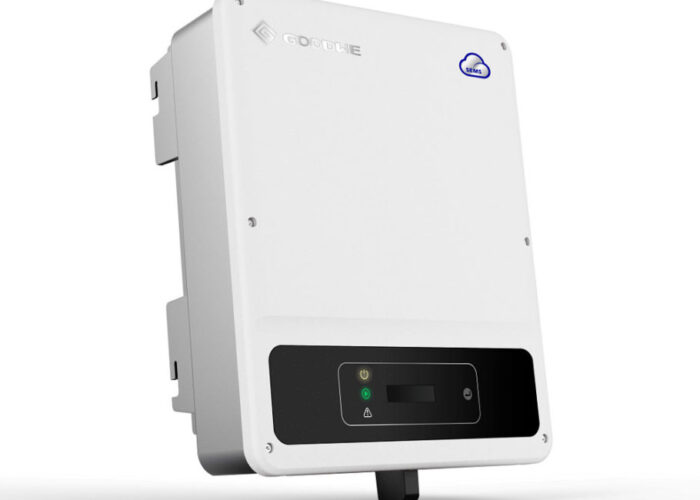
GoodWe is rolling out the new DNS series inverters which are ideal for solar power generation in residential homes. With a low start-up voltage of only 120V and the widest voltage range of 80-550V, these inverters can provide high performance and greater options for any household system, while maintaining a sleek, child-friendly design without sharp edges and safer to manipulate.
PV Tech caught up with Ugo Salerno, chairman and CEO of Italy-based advisory RINA, alongside the firm’s technical director for power and renewables, Simon Turner, to discuss storage retrofits in the UK, financing floating PV and upgrading hastily built European solar plants.
In President Trump's statement imposing a 30% import duty on all foreign made crystalline silicon solar cells and modules reference was made to renewed efforts that would be made to resolve the trade war with China over polysilicon duties on US producers, effectively locking them out of the market.
Saudi’s initial solar bids for the 300MW Sakaka project slipped below two US cents per kWh, but the lowest bid was rejected. We take a look at a claim that its championing of bifacial technology was the root cause.
Meca Solar has launched ‘Hyperion-SR,’ which is touted to be the most advanced single row horizontal tracker on the market. Main features are minimum number of piles per MW, self-powered operation, wireless communications, extended slope tolerances and sophisticated optimization.
Following an extensive research process over the past couple of weeks, we can now reveal the top-10 module suppliers (by shipment volumes) for the calendar year 2017.