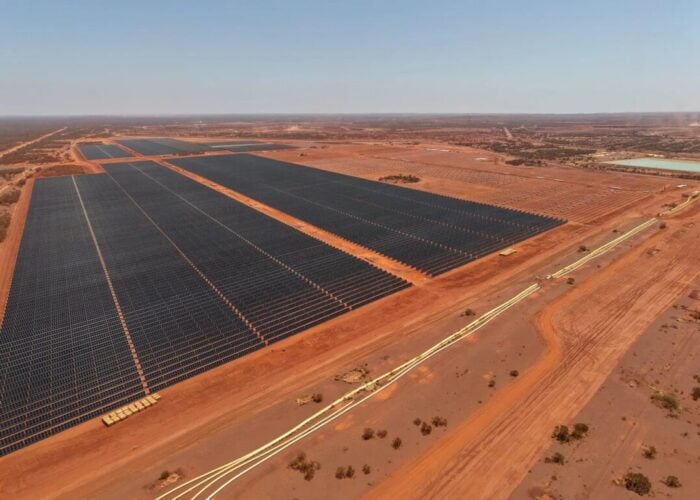
A round-up of news from China with Mingyang Smart Energy developing a renewables project in Pakistan, first gigawatt-scale perovskite module assembly line by UtmoLight goes into operation and Leapting shipping its PV module installation robots to an Australian project.
China’s first GW-level perovskite module production line goes into mass production
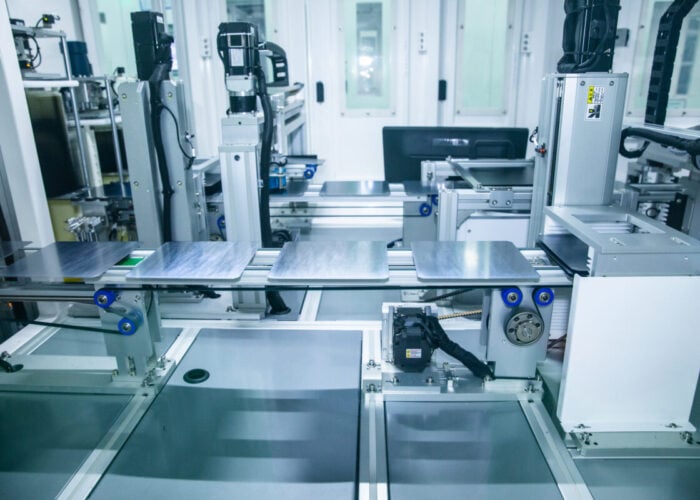
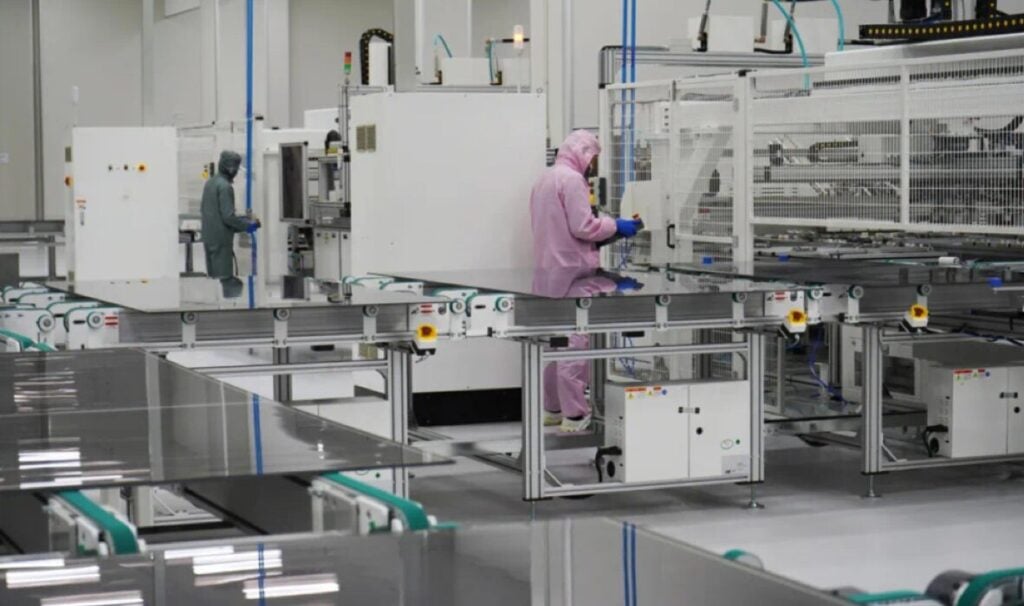
The first gigawatt-level perovskite PV module production line in China constructed by UtmoLight was put into operation. This marks the official entry of perovskite technology into a new era of GW-level mass production.
Try Premium for just $1
- Full premium access for the first month at only $1
- Converts to an annual rate after 30 days unless cancelled
- Cancel anytime during the trial period
Premium Benefits
- Expert industry analysis and interviews
- Digital access to PV Tech Power journal
- Exclusive event discounts
Or get the full Premium subscription right away
Or continue reading this article for free
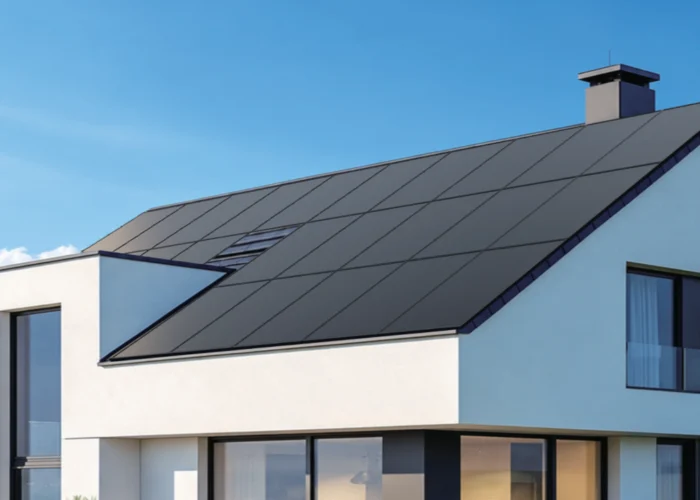
Perovskite manufacturer UtmoLight stated that the company’s GW-level production line is capable of mass-producing ultra-large perovskite PV modules and large BIPV products. Once the project reaches full capacity, it is expected to produce approximately 1.8 million perovskite PV modules annually.
In November of last year, UtmoLight announced that its first 2.8m2 perovskite module achieved an output of 450W and a full-area efficiency of 16.1% upon its debut, setting a global record at the time for the largest area and highest output of perovskite modules.
Mingyang Smart Energy to develop 350MW renewable energy project in Pakistan
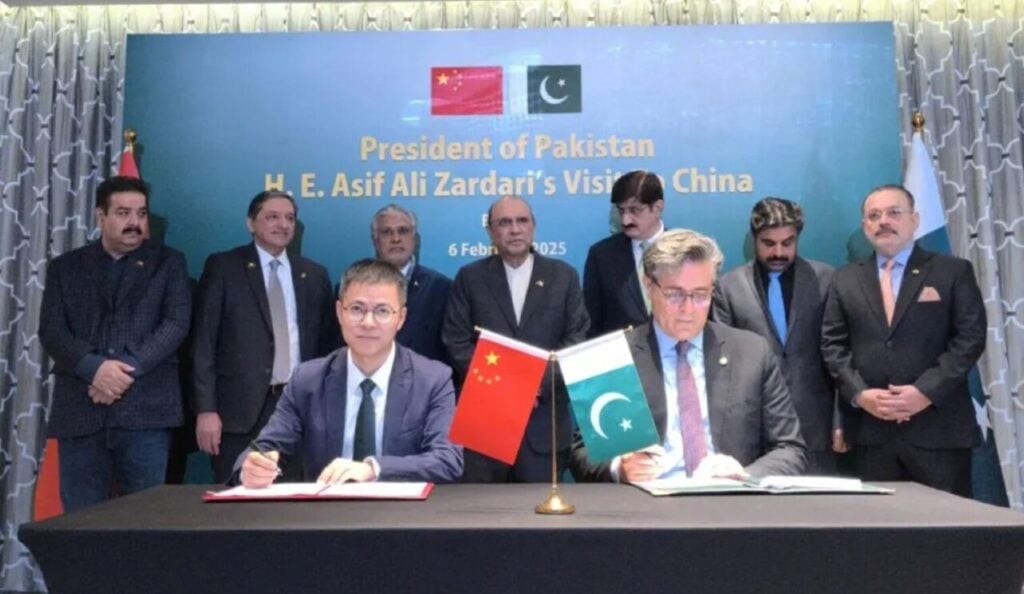
Renewables solutions provider Mingyang Smart Energy Group signed a strategic cooperation agreement in Beijing with Pakistan and the Energy department of the Sindh Province.
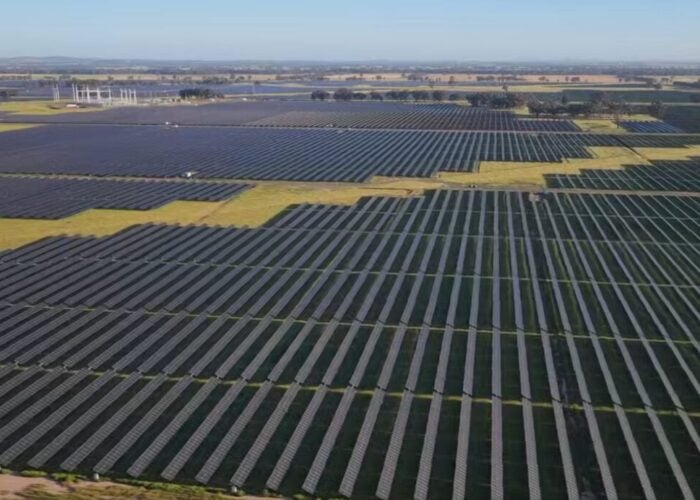
Under the agreement, Mingyang Smart Energy will develop and construct a 350MW integrated wind-solar-storage project and a 75MW wind power project locally. Completion of the projects and operational start date is expected to be achieved within three years.
Mingyang Smart Energy signed a cooperation agreement with ACWA Power not long ago, with an initial investment portfolio of 200MW.
Leapting’s Intelligent Automatic Navigation PV module installation robot enters Australian market
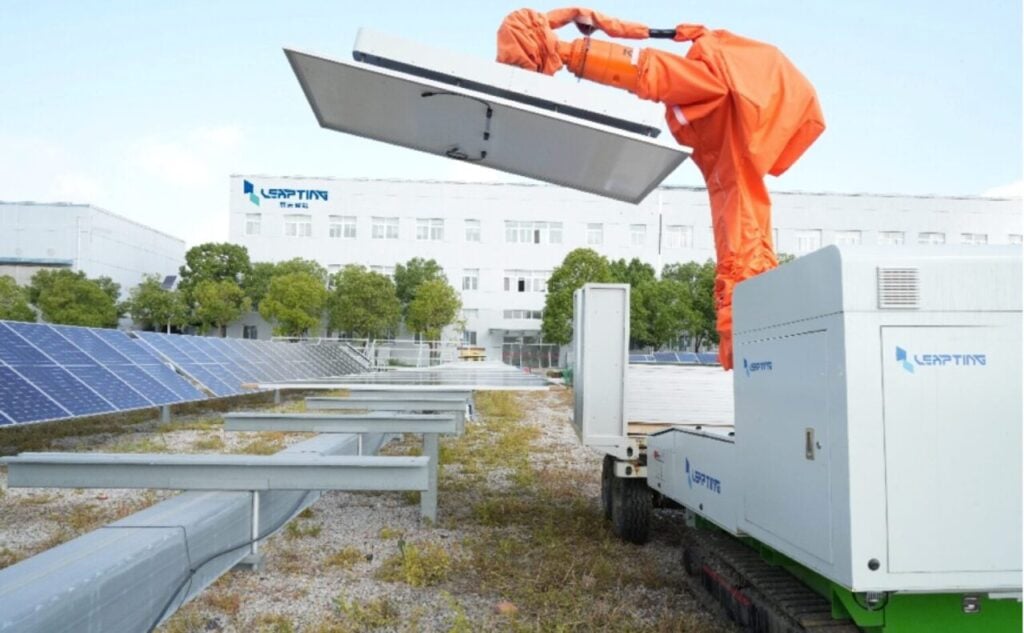
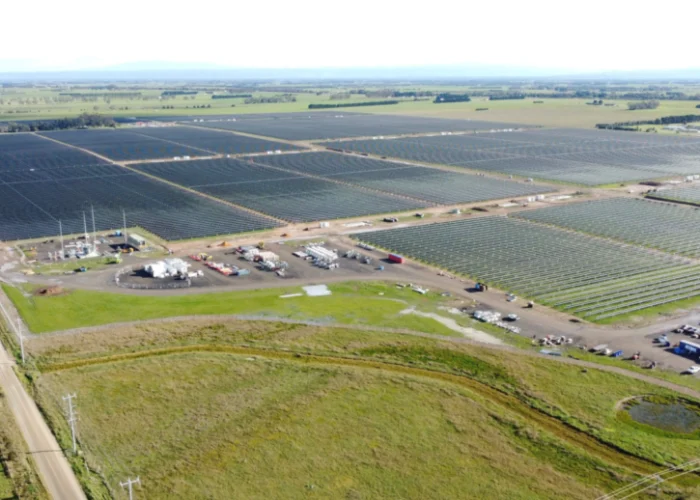
Automation company Leapting has officially announced that it will supply automatic navigation PV module installation robots for a large-scale PV power plant in Australia. The robots have already been shipped from Leapting’s manufacturing plant in Huzhou.
As of the end of 2023, Australia’s PV installations had reached 34.7GW. Nevertheless, as the size and weight of PV modules continue to increase, and the construction sites are often located in remote areas, the traditional manual installation methods are facing challenges such as low efficiency, high safety risks and escalating costs.
To tackle these challenges, the project owner anticipates accelerating the construction of the power plant by introducing Leapting’s Automatic Navigation PV Module Installation Robot and adopting the “Replacing manual installation with robots” model. The robot can handle PV modules weighing up to 30 kilograms with a powerful suction cup system and uses high-precision visual recognition technology to accurately perceive the structure and spacing of the supports, ensuring perfect installation of each module.
Leapting said that the robots can install 60 modules per hour, achieving 1pcs/min. Compared to traditional manual installation methods, automated installation not only significantly increases efficiency but also reduces the safety risks associated with manual labour, leading to an estimated 30% reduction in installation costs.