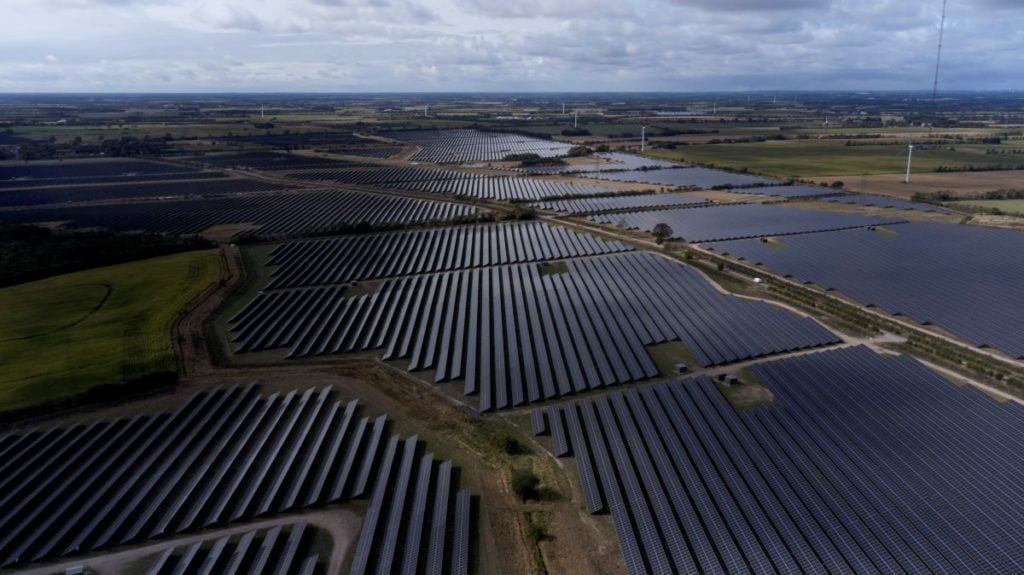
SolarPower Europe and 19 solar and renewable associations on the continent have published an open letter to the EU, calling for a more effective European power grid and greater investment into flexible power generation to meet the continent’s growing energy demands.
The letter, titled “It’s not curtailment. It’s waste.” and addressed to EU energy commissioner Kadri Simson, calls for European governments to invest in four initiatives to improve the efficacy of solar power generation in Europe, and to tackle two key challenges faced by the industry.
Try Premium for just $1
- Full premium access for the first month at only $1
- Converts to an annual rate after 30 days unless cancelled
- Cancel anytime during the trial period
Premium Benefits
- Expert industry analysis and interviews
- Digital access to PV Tech Power journal
- Exclusive event discounts
Or get the full Premium subscription right away
Or continue reading this article for free
One is the growing issue of curtailment, the deliberate reduction in electricity output to balance power supply and demand, which is becoming more common in Europe as solar takes up more of the continent’s power mix.
Last April, Spain curtailed its solar production for the first time when electricity demand fell unexpectedly, causing the wholesale price of electricity to plummet from €168.50/MWh to €3.70/MWh. SolarPower Europe noted that, this year, the same occurred in Czechia and Poland, with solar production stopped before other forms of power generation, such as wind, due to solar power being perceived as flexible.
While this is often considered a benefit of solar power, the continuation of these sudden stoppages in solar production could alter this reputation from flexible to outright unreliable.
The open letter also called for an end to the “unaddressed volatility of energy prices”, with dramatic fluctuations in the price of electricity making it difficult to forecast how electricity production and profitability will change in the future. This could dissuade companies from investing in large-scale solar power, as they are not guaranteed to make a return on their investments, and this lack of private support will be damaging at a time where many governments are looking to expand their solar portfolios.
The letter’s authors refer to figures from the International Energy Agency, which predict that Europe will need to commission at least 60GW of new solar capacity this year just to make up the shortfall from a lack of imports of Russian gas, to say nothing of the increased demand for solar power more broadly as European governments look to decarbonise their energy mixes.
Offering solutions
The open letter calls for four areas of improvement in the European solar sector to minimise the impacts of these challenges. The first is to improve the “preparedness” of the European energy grid, so that power infrastructure can adapt to an increase in solar production, and respond to some of the fluctuations inherent in solar power.
The letter also asks for companies to make “anticipatory investments” to change the grid based on what the demands of the future will be, rather than the demands of the present day.
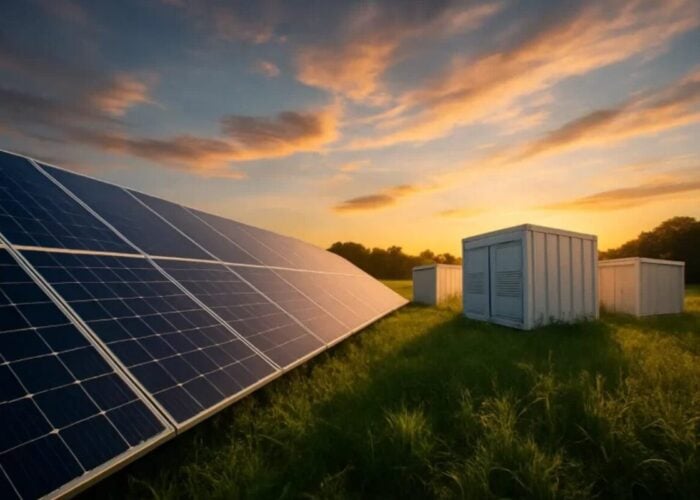
The second improvement is to accelerate the permitting, construction and digitalisation of projects, to reduce the time taken for facilities to come online from seven years for projects in a single country and ten years for cross-border plans. The letter also calls for decision-makers to “massively promote flexible resources”, by forecasting the energy needs of 2025 and investing in hybrid solar projects, which operate in conjunction with energy storage projects or wind generation facilities.
Finally, the letter stresses the importance of making the grid’s economic framework attractive to potential investors. While solar power is inherently more variable than fossil fuels, the letter’s authors note that this is no cause for solar to be considered unreliable or unpredictable, and urges governments to use arrangements such as contracts for difference to impose some stability on solar investments.
However, questions remain as to the practicality of implementing these suggestions. Responsibility for implementing these ideas would fall on a range of stakeholders, from national governments and electricity system operators to private investors, and ensuring the collaboration of all of these groups will be a key challenge for the European solar sector in the long-term.
The news follows the publication of a study into Europe’s agrivoltaic potential, which found that the continent could deploy 51TW of solar PV alongside agriculture, as optimism continues to grow about the potential of European solar.