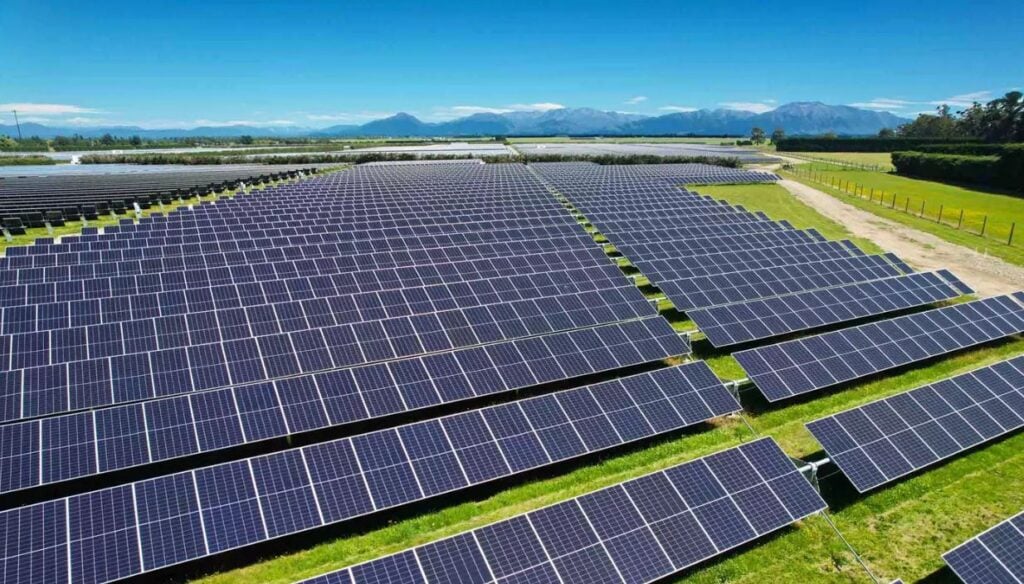
Fotowatio Renewable Ventures (FRV) Australia has submitted an environmental referral for a 200MW solar PV project paired with a 550MW/2,200MWh battery energy storage system (BESS) in New South Wales.
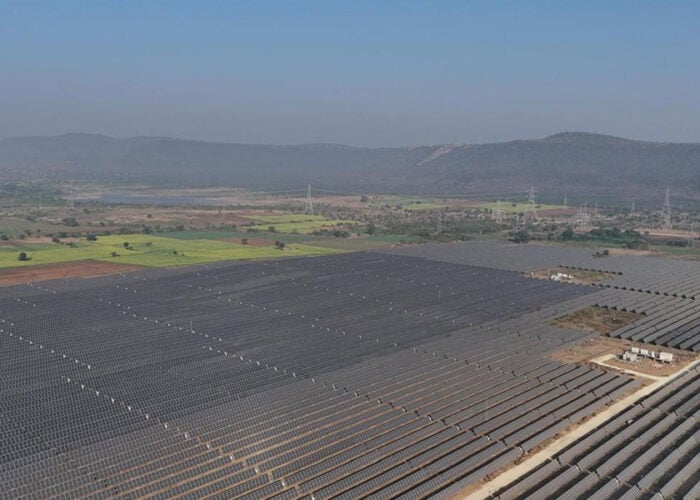
The Texas solar-plus-storage project spans approximately 1,618 hectares of freehold land located 1.3km south of the New South Wales-Queensland border, with a disturbance footprint covering 443 hectares.
Try Premium for just $1
- Full premium access for the first month at only $1
- Converts to an annual rate after 30 days unless cancelled
- Cancel anytime during the trial period
Premium Benefits
- Expert industry analysis and interviews
- Digital access to PV Tech Power journal
- Exclusive event discounts
Or get the full Premium subscription right away
Or continue reading this article for free
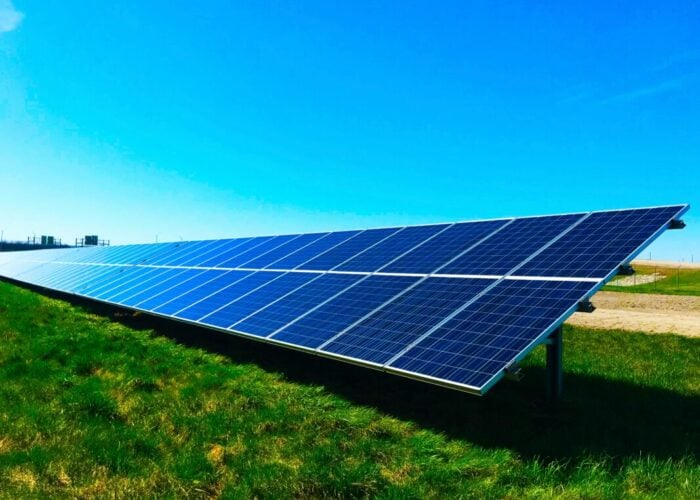
The facility will feature approximately 550,000 solar modules mounted on single-axis tracking systems reaching a maximum height of 3.5 metres above ground level.
According to the Environment Protection and Biodiversity Conservation (EPBC) Act application, the solar installation will connect to power conversion units through underground cabling systems, with the entire array linking to an on-site substation.
The battery storage system component will be housed in containerised modules positioned near the substation, incorporating a switching station to manage power flow during storage and release cycles.
Grid connection will occur through either underground or overhead 330kV transmission lines connecting to the distribution network. The project site already accommodates Transgrid’s existing 330kV powerline infrastructure through a 60-metre easement, forming part of the Queensland-New South Wales Interconnector.
Construction activities are scheduled to commence in January 2029, with completion targeted for December 2030. Temporary infrastructure during the construction phase will include compound areas, laydown zones, material storage facilities, site offices and temporary access tracks with watercourse crossings.
The project site consists of grazing operations on terrain that slopes toward the Dumaresq River to the north, with elevations ranging from 280 metres near Sandy Creek to 360 metres at the western boundary.
The development requires assessment under both Commonwealth and NSW legislation, including the Environment Protection and Biodiversity Conservation Act 1999 and the Biodiversity Conservation Act 2016.
FRV Australia maintains an option agreement with local landholders and has refined the project design to minimise biodiversity impacts.
The current footprint represents a substantial reduction from the original proposal to avoid and minimise environmental effects while maintaining project viability for renewable energy generation in the region.
FRV’s Australian portfolio closes in on 1GW of solar capacity
The Texas project adds to FRV’s expanding Australian portfolio, which currently includes almost 1GW of solar capacity and 102.5MW/205MWh of battery storage across multiple operational facilities.
The company recently achieved a significant milestone with the completion of its 300MW Walla Walla Solar Farm, which became fully operational in October 2025 and represents FRV’s largest project in Australia to date.
The developer has also expanded its battery storage capabilities, with the commissioning of its first solar-plus-storage project in Queensland and the ongoing construction of the 100MW/200MWh Terang BESS in Victoria. FRV is also developing the 250MW/500MWh Gnarwarre BESS project, acquired from Ace Energy in 2021.
Beyond Australia, FRV has maintained its international development activities, including committing to a 210MW solar PV plant in New Zealand following the conclusion of a partnership arrangement with Genesis Energy.
The project is being evaluated as a State Significant Development under the NSW Environmental Planning and Assessment Act 1979, reflecting its scale and potential impact on regional energy infrastructure.